Bequia Head
Protected Area
Bequia Marine Conservation Area
Why dive here
With 267+ marine species recorded in the area - including dolphins, humpback whales, nurse sharks, orcas and sea turtles - Bequia Head offers some of St. Vincent's richest drift diving. Water ranges 27-30°C, warmest August, September, October.
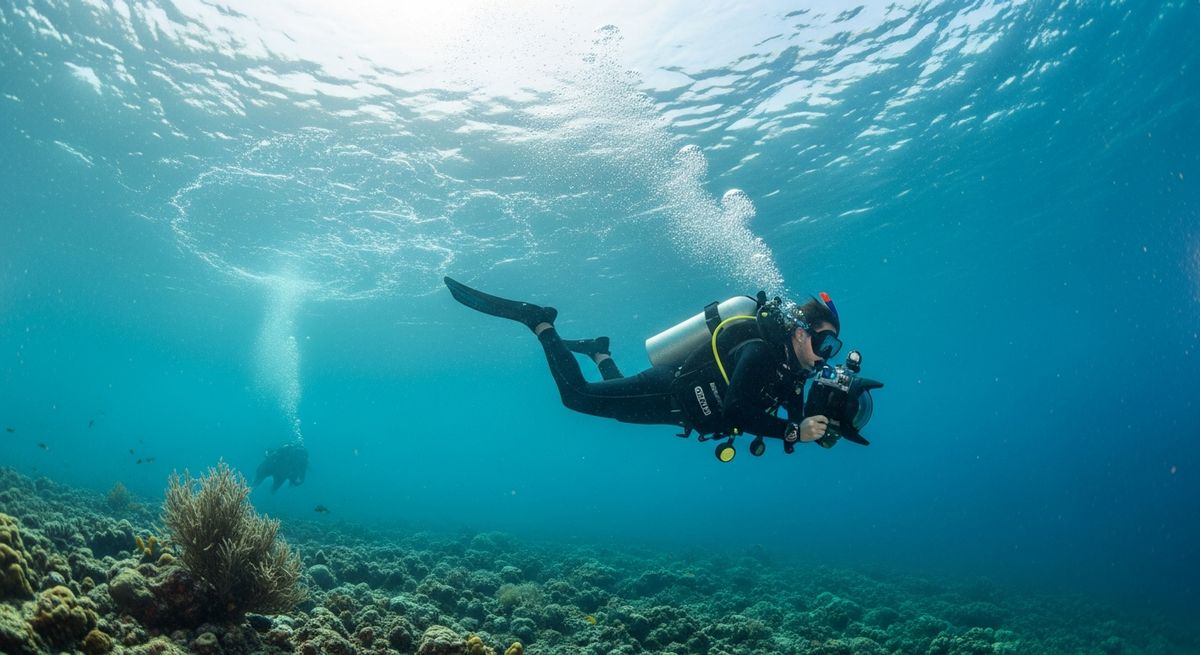
Bequia Head is a commitment, a proper trek by boat, so it's a two-tank minimum. We’ve only been out there a handful of times when the conditions align perfectly, and trust us, you need perfect conditions. This site is exposed to everything. That means negative entry, you're dropping onto a steeply sloping reef that goes down to 40m, and the current can be genuinely ripping. It’s a drift, plain and simple, and you'll want to be comfortable with your SMB deployment. When it all comes together, though, Bequia Head delivers. The reef here is healthy, vibrant, and the big draw for us is the sheer volume of pelagics. We’ve seen huge schools of snapper and jack, walls of them, often with the deeper shadows of Caribbean reef sharks cruising by. Keep an eye out for mottled conger morays tucked into crevices and the occasional saddle stargazer half-buried in the sand. It’s a proper rush, a high-octane dive for experienced divers only, but the reward is a truly wild, untamed Caribbean experience.
Safety Notes
Drift dive - carry a surface marker buoy (SMB) and stay with your group. Brief the current direction before entry.
Nearest Dive Centres to Bequia Head
Dive shops near Bequia Head
View all dive centres in St. VincentReviews for Bequia Head
Conditions
Ocean conditions, forecast and tides for Bequia Head
Bequia Head Ocean Conditions
Monthly averages for Bequia Head, sourced from Open-Meteo marine data - nearest station: Open-Meteo marine grid (13.05, -61.21) (6km away)
October Averages
Sea Temperature
30°C
86°F · Range: 29–31.2°C
Air Temperature
28°C
82°F
Wind Speed
5.62 m/s
10.9 knots
Atmospheric Pressure
1012.3 hPa
Based on 4 years of monitoring data · Data sources: Open-Meteo marine data
Plan & book
Ways to dive St. Vincent, from day trips to liveaboards.
Day trips & courses
via GetYourGuideGuided dives, courses and snorkel trips with instant booking.
Find dive trips in St. VincentPlaces to stay
via Booking.comHotels and dive resorts near St. Vincent.
Search stays in St. VincentDive insurance
Most travel insurance excludes or limits scuba. Check what you need before you go.
Dive insurance explainedPartner links: we may earn a commission if you book, at no extra cost to you. How we make money
Where to Stay near Bequia Head
Prices from Booking.com. We may earn a commission at no extra cost to you.