Kudarah Thila
Protected Area
South Ari Marine Protected Area
Why dive here
With 148+ marine species recorded in the area - including blacktip reef sharks, sea turtles and whale sharks - Kudarah Thila offers some of South Ari Atoll's richest diving. Water ranges 29-31°C, warmest April, May, July.
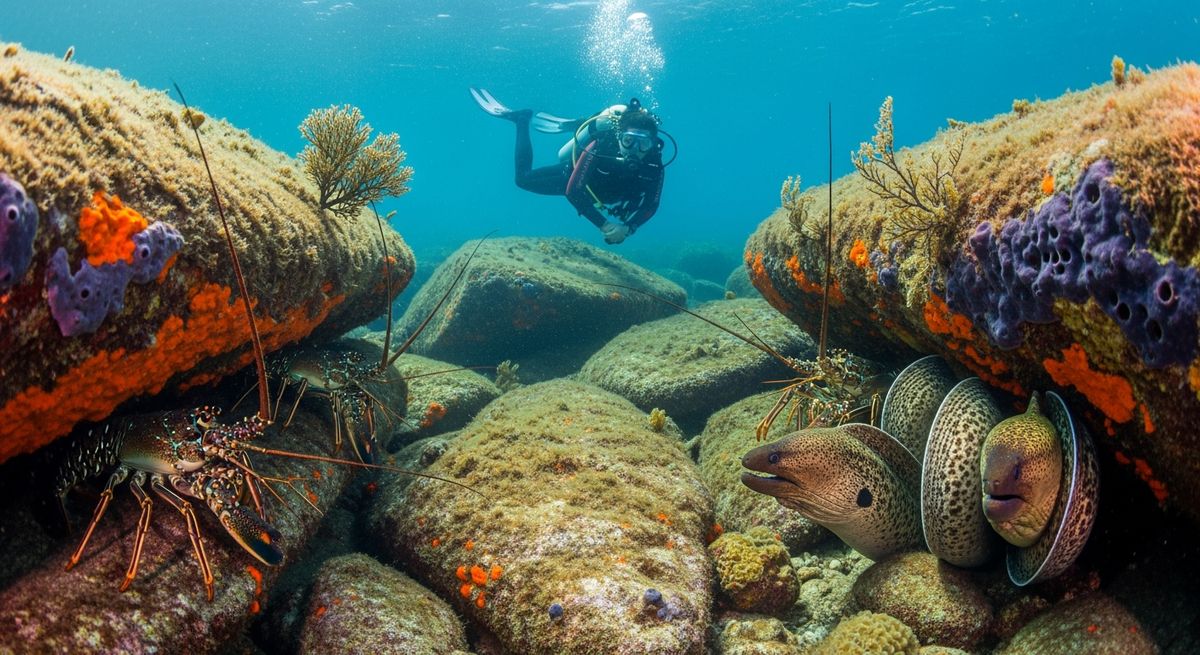
Kudarah Thila is one of those spots that really shows off what a protected area can do. This pinnacle, just a small reef, sits right in the path of currents pushing in from the open ocean, which means a steady parade of reef sharks, eagle rays, and schooling snappers often hang around. We’ve found it’s best to hit this site on an incoming current to really appreciate the fish action, especially when navigating around the overhangs and ledges starting around 12 meters. It’s a great dive for anyone comfortable with a bit of current and keen to see healthy reef life up close.
Nearest Dive Centres to Kudarah Thila
Dive shops near Kudarah Thila
Ocean-Pro Mirihi
SUB AQUA Divecenter Angaga
Best Dives Machchafushi
Ocean Dive Centre @ Huruelhi
diveOceanus Villa Park Sun Island
Aquaholics-Nova
Reviews for Kudarah Thila
Conditions
Ocean conditions, forecast and tides for Kudarah Thila
Kudarah Thila Ocean Conditions
Monthly averages for Kudarah Thila, sourced from Open-Meteo marine data - nearest station: Open-Meteo marine grid (3.49, 72.9) (16km away)
October Averages
Sea Temperature
30°C
85°F · Range: 28.3–30.9°C
Air Temperature
28°C
82°F
Wind Speed
7.42 m/s
14.4 knots
Atmospheric Pressure
1010.7 hPa
Based on 4 years of monitoring data · Data sources: Open-Meteo marine data
Plan & book
Ways to dive South Ari Atoll, from day trips to liveaboards.
Day trips & courses
via GetYourGuideGuided dives, courses and snorkel trips with instant booking.
Find dive trips in South Ari AtollPlaces to stay
via Booking.comHotels and dive resorts near South Ari Atoll.
Search stays in South Ari AtollDive insurance
Most travel insurance excludes or limits scuba. Check what you need before you go.
Dive insurance explainedPartner links: we may earn a commission if you book, at no extra cost to you. How we make money
Where to Stay near Kudarah Thila
Prices from Booking.com. We may earn a commission at no extra cost to you.