AGNETE
Protected Area
Femern Bælt
Why dive here
With 95+ marine species recorded in the area - including seals & sea lions, sea turtles and jellyfish lake - AGNETE offers some of North Sea Coast's richest wreck diving. Water ranges 3-19°C, warmest July, August, September.
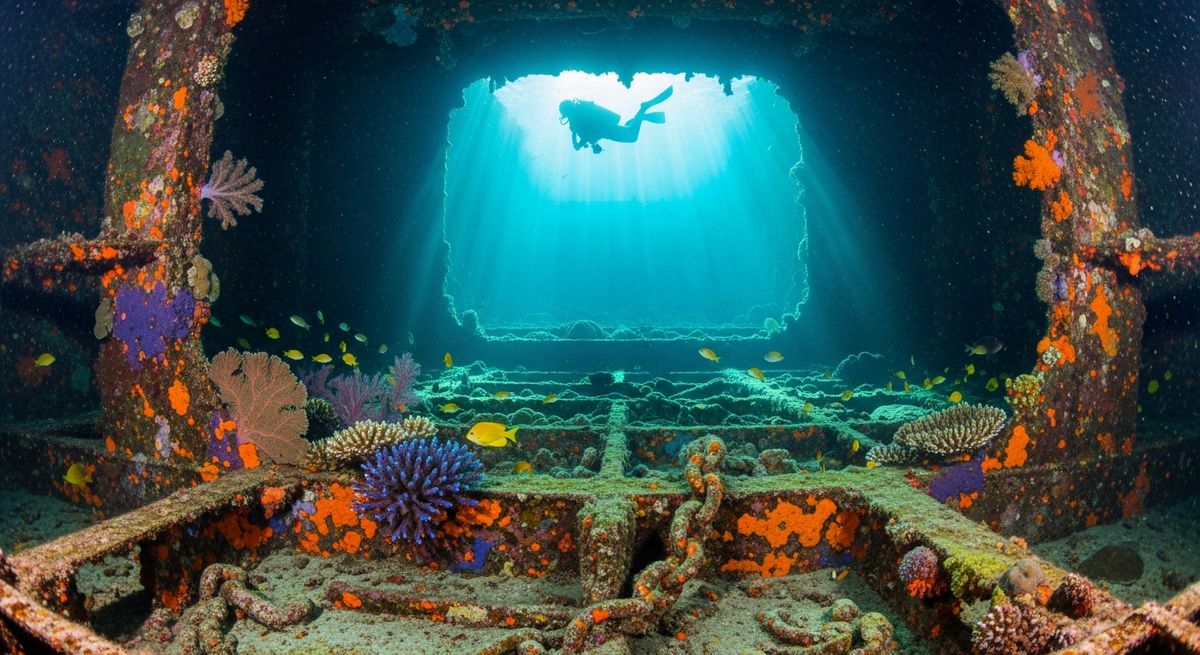
The Agnete is one of those wrecks that just gets under your skin. We love it because it’s a proper piece of history, just sitting there at 5 metres in the North Sea. Forget deep, dark penetration dives, this is about sunlight filtering through the water, illuminating the remains of a schooner that went down back in 1913. You can explore the bow, the stern, and what’s left of the midsection, feeling the wood under your gloved hands. It's an easy dive, perfect for newer wreck divers or anyone who just wants a relaxed swim around a piece of maritime heritage. We’ve seen blennies darting in and out of the timbers, small crabs scuttling over the planks, and sometimes, if you’re lucky and the vis is good, a playful seal might even pop by. The Agnete is a real testament to how nature reclaims things, turning a tragedy into a living reef. Our best advice? Pick a calm day with minimal swell for the clearest view.
Typical AGNETE Dive Profile
Illustrative profile based on site depth and type. Actual dive profiles vary - always follow your dive computer and training.
Safety Notes
Wreck site - avoid penetration without wreck diving certification. Watch for sharp metal and entanglement hazards.
Cold water this month (avg 13°C). Drysuit or thick wetsuit (7mm+) recommended.
AGNETE Wreck History
Year Sunk
1941
Vessel Type
schooner
Cause
unknown
The loss of the schooner "AGNETE" dates to March 1941, placing its demise firmly in the midst of the Second World War. During this period, the North Sea was one of the most dangerous maritime zones in the world, heavily mined by both Allied and Axis forces and constantly patrolled by U-boats and warships. While the specific details of its sinking are not recorded, it is almost certain that the "AGNETE" was a casualty of the conflict, falling victim to a mine, torpedo, or other military action.
For divers, this wreck is an incredibly accessible piece of history. Lying in just 5 meters of water off the Danish coast, the "AGNETE" is an excellent site for novice wreck divers, and can even be explored by snorkelers on a calm, clear day. The shallow depth allows for long, relaxed bottom times with plenty of natural light, illuminating what remains of the historic vessel. Its classification as a "Dangerous wreck" serves as a reminder to be cautious of sharp, broken timbers or potential entanglement hazards while exploring this wartime relic.
Reviews for AGNETE
Conditions
Ocean conditions, forecast and tides for AGNETE
AGNETE Ocean Conditions
Monthly averages for AGNETE, sourced from Open-Meteo marine data - nearest station: Open-Meteo marine grid (55.31, 9.86) (1km away)
October Averages
Sea Temperature
13°C
56°F · Range: 10.7–16.8°C
Air Temperature
11°C
52°F
Wind Speed
7.69 m/s
14.9 knots
Atmospheric Pressure
1010.5 hPa
Based on 4 years of monitoring data · Data sources: Open-Meteo marine data
Plan & book
Ways to dive North Sea Coast, from day trips to liveaboards.
Day trips & courses
via GetYourGuideGuided dives, courses and snorkel trips with instant booking.
Find dive trips in North Sea CoastPlaces to stay
via Booking.comHotels and dive resorts near North Sea Coast.
Search stays in North Sea CoastDive insurance
Most travel insurance excludes or limits scuba. Check what you need before you go.
Dive insurance explainedPartner links: we may earn a commission if you book, at no extra cost to you. How we make money
Where to Stay near AGNETE
Prices from Booking.com. We may earn a commission at no extra cost to you.