MARTHA HENDRIK FISSER
Protected Area
Dyngeneset
Why dive here
MARTHA HENDRIK FISSER is a wreck dive in Lofoten Islands, Norway. Water ranges 3-15°C, warmest July, August, September.
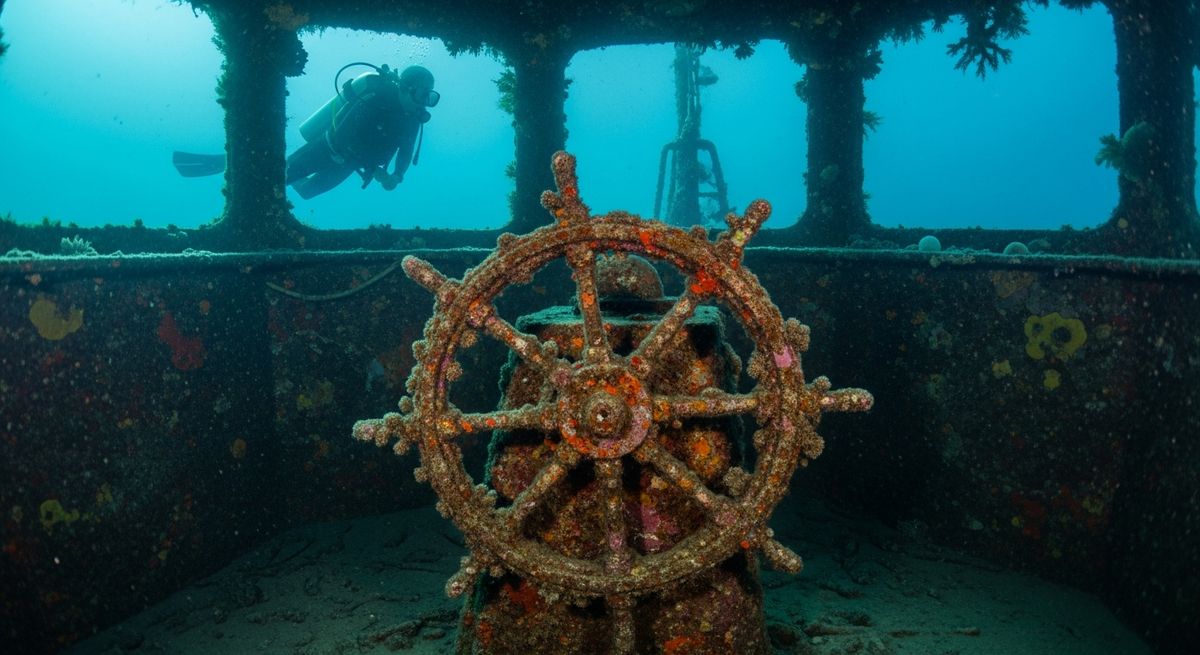
The *Martha Hendrik Fisser* is one of those wrecks that just grabs you. We love how she lies, upright and intact, a proper ghost from a chaotic time. Sunk by British destroyers in 1940, her story is etched into her steel. Dropping down, you’re immediately struck by her sheer scale – 118 metres long, she’s a monster of a steamship. What makes her special for us is the penetration. You can swim into holds that still feel cavernous, imagining the cargo she once carried. The triple-expansion engines are a highlight, a fantastic tangle of metal, now home to a surprising amount of life. Cod cruise the decks, bold and unafraid, while various anemones cling to every surface, adding splashes of colour to the monochrome steel. It’s a dive for those who appreciate history and don’t mind a bit of a chill; the water here is bracing, but the visibility is often phenomenal. We’d suggest a good dive light to really pick out the details inside.
Typical MARTHA HENDRIK FISSER Dive Profile
Illustrative profile based on site depth and type. Actual dive profiles vary - always follow your dive computer and training.
Safety Notes
Depth of 25m - Advanced Open Water certification recommended.
Wreck site - avoid penetration without wreck diving certification. Watch for sharp metal and entanglement hazards.
Cold water this month (avg 9°C). Drysuit or thick wetsuit (7mm+) recommended.
Always perform a 3-minute safety stop at 5m before surfacing.
Reviews for MARTHA HENDRIK FISSER
Conditions
Ocean conditions, forecast and tides for MARTHA HENDRIK FISSER
MARTHA HENDRIK FISSER Ocean Conditions
Monthly averages for MARTHA HENDRIK FISSER, sourced from Open-Meteo marine data - nearest station: Open-Meteo marine grid (68.33, 16.05) (9km away)
October Averages
Sea Temperature
9°C
49°F · Range: 5–12.3°C
Air Temperature
1°C
34°F
Wind Speed
4.09 m/s
8.0 knots
Atmospheric Pressure
1009.3 hPa
Based on 4 years of monitoring data · Data sources: Open-Meteo marine data
Plan & book
Ways to dive Lofoten Islands, from day trips to liveaboards.
Day trips & courses
via GetYourGuideGuided dives, courses and snorkel trips with instant booking.
Find dive trips in Lofoten IslandsPlaces to stay
via Booking.comHotels and dive resorts near Lofoten Islands.
Search stays in Lofoten IslandsDive insurance
Most travel insurance excludes or limits scuba. Check what you need before you go.
Dive insurance explainedPartner links: we may earn a commission if you book, at no extra cost to you. How we make money
Where to Stay near MARTHA HENDRIK FISSER
Prices from Booking.com. We may earn a commission at no extra cost to you.