BOMA
Protected Area
Lyme Bay and Torbay
Why dive here
With 176+ marine species recorded in the area - including blue sharks, dolphins, dwarf minke whales, humpback whales and ocean sunfish (mola mola) - BOMA offers some of Cornwall & Devon's richest wreck diving. Water ranges 10-18°C, warmest July, August, September.
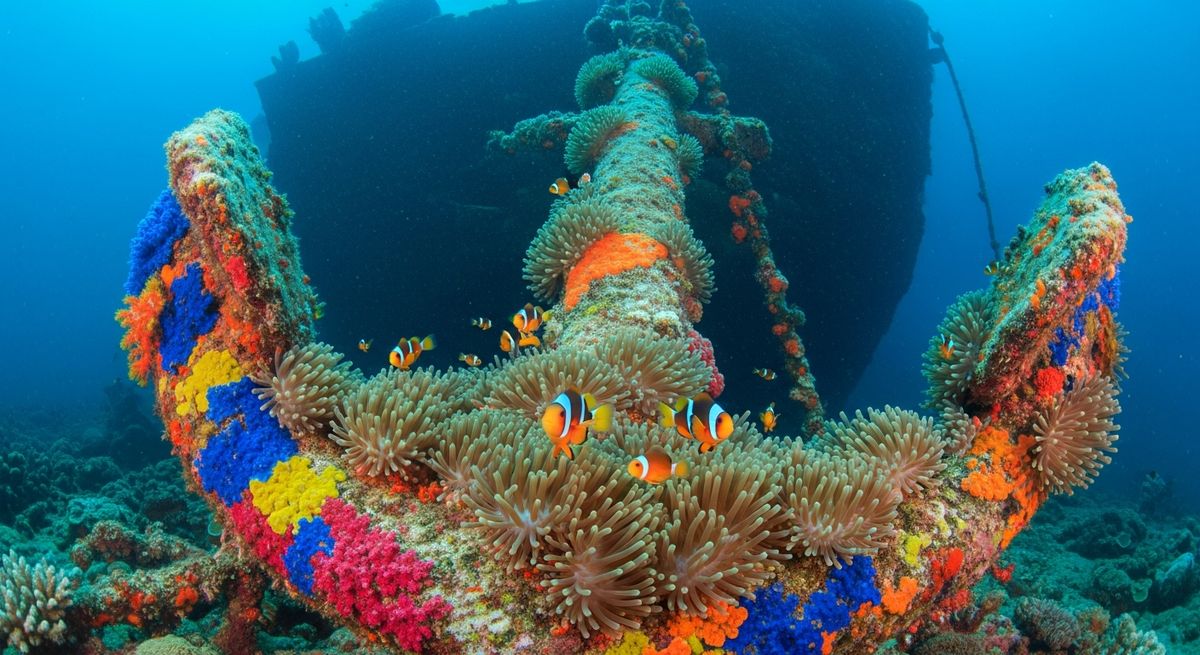
The Boma wreck, resting at 28 meters, is a proper dive for those who appreciate a bit of history beneath the waves. This steamship, sunk in 1918, lies broken but still recognisable, with those impressive boilers a key focal point. We’ve found plenty of pollack hanging around the metalwork, and the usual crab and lobster tucked into the nooks and crannies. It’s a good choice for divers comfortable with depth and who enjoy poking around a substantial piece of maritime heritage off the Cornish coast. Current can be a factor, so picking your slack water window is always sensible here.
Typical BOMA Dive Profile
Illustrative profile based on site depth and type. Actual dive profiles vary - always follow your dive computer and training.
Safety Notes
Depth of 28m - Advanced Open Water certification recommended.
Wreck site - avoid penetration without wreck diving certification. Watch for sharp metal and entanglement hazards.
Always perform a 3-minute safety stop at 5m before surfacing.
Nearest Dive Centres to BOMA
Dive shops near BOMA
View all dive centres in Cornwall & DevonReviews for BOMA
Conditions
Ocean conditions, forecast and tides for BOMA
BOMA Ocean Conditions
Monthly averages for BOMA, sourced from Open-Meteo marine data - nearest station: Open-Meteo marine grid (50.44, -2.73) (3km away)
October Averages
Sea Temperature
17°C
62°F · Range: 15.1–17.5°C
Air Temperature
13°C
56°F
Wind Speed
8.14 m/s
15.8 knots
Atmospheric Pressure
1011 hPa
Based on 4 years of monitoring data · Data sources: Open-Meteo marine data
Plan & book
Ways to dive Cornwall & Devon, from day trips to liveaboards.
Day trips & courses
via GetYourGuideGuided dives, courses and snorkel trips with instant booking.
Find dive trips in Cornwall & DevonPlaces to stay
via Booking.comHotels and dive resorts near Cornwall & Devon.
Search stays in Cornwall & DevonDive insurance
Most travel insurance excludes or limits scuba. Check what you need before you go.
Dive insurance explainedPartner links: we may earn a commission if you book, at no extra cost to you. How we make money
Where to Stay near BOMA
Prices from Booking.com. We may earn a commission at no extra cost to you.