CATTEWATER
Protected Area
Western King
Why dive here
With 176+ marine species recorded in the area - including blue sharks, dolphins, dwarf minke whales, humpback whales and ocean sunfish (mola mola) - CATTEWATER offers some of Cornwall & Devon's richest wreck diving. Water ranges 10-18°C, warmest July, August, September.
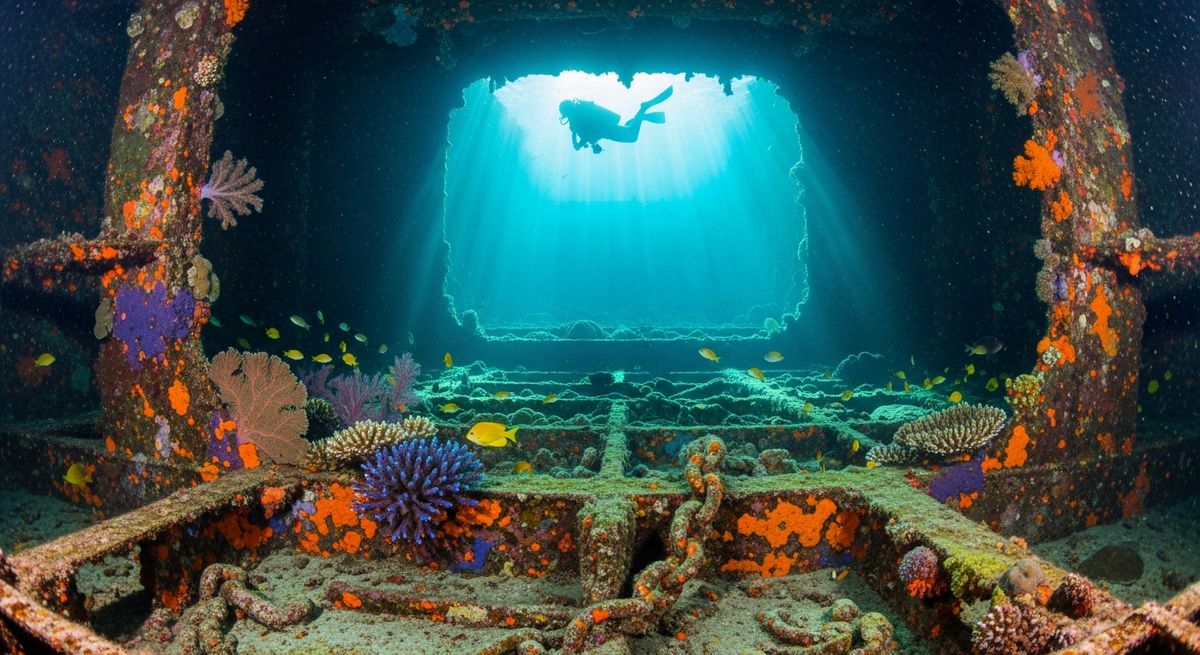
Cattewater isn’t about huge pelagics or technicolour corals. This is a journey back in time, submerged history right off Plymouth. We love it because it’s a tangible link to the past, an early sixteenth-century merchantman, lost around 1530, lying peacefully in just 8 metres of water. Think about that for a second. We’re talking Tudor era, and you can fin directly over it. The wreck itself is about 10 metres of coherent structure, mostly timbers, now encrusted and blended into the seabed. You’ll see the outlines of where the ship once was, and if your eyes are sharp, you might spot sections of the original cargo – we’ve seen divers point out what looked like bits of leather. What makes it genuinely special are the artefacts: those composite iron guns on their carriages, now lumps of history. It’s an intimate dive, more like an archaeological investigation than a coral drift. Visibility here can be a bit variable, as it’s in the Cattewater estuary, so pick your day. Slack tide is key, and we always suggest a run-out tide for clearer water. The site is shallow, making it perfect for newer divers interested in history, or anyone who enjoys a slow, contemplative explore rather than a fast-paced current ride. Look closely amongst the timbers and you'll find plenty of local life: crabs scuttling, blennies peeking from crevices, and small shoals of fish drifting over the ancient wood. It’s a very different kind of beauty, one that whispers stories.
Typical CATTEWATER Dive Profile
Illustrative profile based on site depth and type. Actual dive profiles vary - always follow your dive computer and training.
Safety Notes
Wreck site - avoid penetration without wreck diving certification. Watch for sharp metal and entanglement hazards.
Nearest Dive Centres to CATTEWATER
Dive shops near CATTEWATER
Plymouth Diving Centre
Sound Diving Limited
Dive Looe
Scuba 2000
Viewpoint Diving Centre
Teign Diving Centre
Reviews for CATTEWATER
Conditions
Ocean conditions, forecast and tides for CATTEWATER
CATTEWATER Ocean Conditions
Monthly averages for CATTEWATER, sourced from Open-Meteo marine data - nearest station: Open-Meteo marine grid (50.44, -2.73) (3km away)
October Averages
Sea Temperature
17°C
62°F · Range: 15.1–17.5°C
Air Temperature
13°C
56°F
Wind Speed
8.14 m/s
15.8 knots
Atmospheric Pressure
1011 hPa
Based on 4 years of monitoring data · Data sources: Open-Meteo marine data
Plan & book
Ways to dive Cornwall & Devon, from day trips to liveaboards.
Day trips & courses
via GetYourGuideGuided dives, courses and snorkel trips with instant booking.
Find dive trips in Cornwall & DevonPlaces to stay
via Booking.comHotels and dive resorts near Cornwall & Devon.
Search stays in Cornwall & DevonDive insurance
Most travel insurance excludes or limits scuba. Check what you need before you go.
Dive insurance explainedPartner links: we may earn a commission if you book, at no extra cost to you. How we make money
Where to Stay near CATTEWATER
Prices from Booking.com. We may earn a commission at no extra cost to you.