SJOFNA - Cornwall & Devon

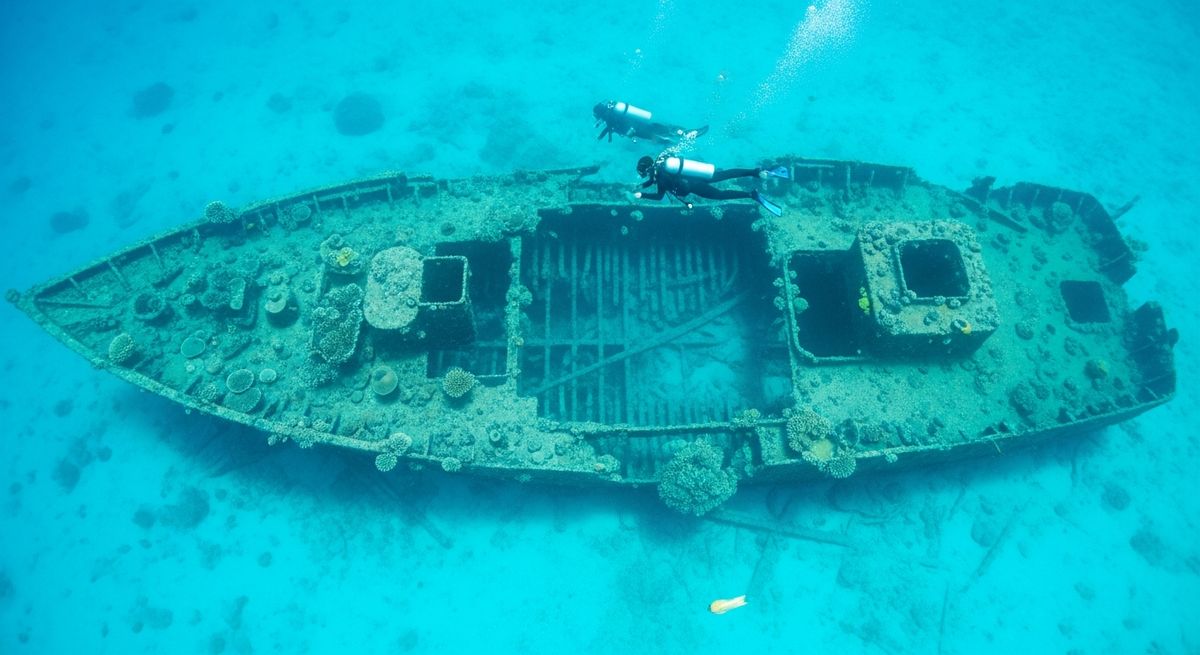
The *Sjofna*, a steamship built in 1918, ran aground in the fog near Fowey in 1944. What’s left of her now sits in relatively shallow water, making it a good spot for newer wreck divers or those looking for a longer bottom time. We found the wreck broken up, but you can still make out sections of the hull and superstructure, particularly around the stern. Look for the two large boilers, which are usually buzzing with wrasse and small crabs. It’s not the most intact wreck you’ll ever dive, but the history is tangible, and it provides shelter for some interesting local critters, especially on a calm day.

Location
Cornwall & Devon, United Kingdom, Mediterranean & Europe
Coordinates
50.940510, -4.551948
Type
wreck
Maximum Depth
0m

Marine Protected Area: Welcombe

Best Time to Dive in Cornwall & Devon

The warmest water temperatures in Cornwall & Devon occur in January, averaging 9.6°C. The coolest conditions are in December at 9.6°C.

Monthly Water Temperatures

  • January: 9.6°C (air: 7.3°C)
  • February: 9.6°C (air: 8.4°C)
  • March: 9.6°C (air: 8.6°C)
  • April: 9.6°C (air: 10.1°C)
  • May: 9.6°C (air: 12.6°C)
  • June: 9.6°C (air: 15.2°C)
  • July: 9.6°C (air: 16.6°C)
  • August: 9.6°C (air: 17.1°C)
  • September: 9.6°C (air: 15.9°C)
  • October: 9.6°C (air: 13.5°C)
  • November: 9.6°C (air: 10.7°C)
  • December: 9.6°C (air: 8.7°C)

Nearby Dive Sites in Cornwall & Devon

Nearest Dive Centres to SJOFNA

Marine Life in Cornwall & Devon

Home to 192 recorded species including 93 reef fish, 18 sharks & rays, 13 whales & dolphins, 11 crabs & lobsters, 11 other, 10 seagrass & algae.

Notable Species

Recommended Packing List for SJOFNA

Based on average water temperature of 9.6°C.

  • Drysuit - water at 10°C demands a drysuit with thermal undergarments
  • Hood & Gloves (7mm+) - critical to prevent heat loss
  • Mask - essential for every dive
  • Fins
  • BCD - buoyancy compensator
  • Regulator - your most safety-critical piece of gear
  • Dive Computer - tracks depth, time, and NDL
  • Surface Marker Buoy (SMB) - essential for boat pickups
  • Dive Torch - useful for crevices and colour at depth
  • Underwater Camera - capture your diving memories

Frequently Asked Questions

What is the typical diving depth at the SJOFNA dive site?
The SJOFNA dive site is noted as having a depth of 0m. This suggests it might be a very shallow site, possibly even intertidal or partially exposed, or the data might indicate it's at the surface or very close to it. Divers should confirm local conditions for this unique depth at the SJOFNA wreck site.
What kind of marine life and underwater features can divers expect to see at SJOFNA?
The SJOFNA is a fascinating wreck dive, featuring the remains of a 52.4m x 8.6m steam ship vessel. Divers can explore the hull and superstructure of this wreck, which was built in 1918 and sank in 1944. While specific marine life isn't detailed in the provided data, wrecks often attract a variety of local species over time, which you can learn more about in our wildlife database.
How difficult is the SJOFNA dive site, and is it suitable for beginner divers?
The SJOFNA dive site is classified as having an intermediate difficulty level. This means it is generally not recommended for beginner divers who are still gaining experience. Divers should have appropriate training and experience for intermediate conditions to safely explore this wreck site.
What is the best time of year or season to dive at SJOFNA for optimal conditions?
The provided data does not specify the best time of year or season for optimal diving conditions at the SJOFNA dive site. For current conditions and seasonal recommendations, it's always best to consult local dive operators in Cornwall & Devon or check our when to dive guide.
Are there any specific diving certifications required or recommended to dive at SJOFNA?
Given the intermediate difficulty classification of the SJOFNA dive site, divers should possess certifications and experience appropriate for such conditions. While no specific certifications are explicitly listed, advanced open water or wreck diving specialties are often recommended for intermediate wreck dives. Always ensure your training aligns with the demands of the dive.
What are the typical currents and water conditions like at the SJOFNA dive site?
The provided data does not include specific details regarding typical currents or water conditions at the SJOFNA dive site. As conditions can vary, especially for a wreck located in Cornwall & Devon, it is advisable to check with local dive centers for up-to-date information before planning your dive.