LIMELIGHT
Protected Area
South-East Islay Skerries
Why dive here
With 112+ marine species recorded in the area - including blue whales, dolphins, dwarf minke whales, humpback whales and ocean sunfish (mola mola) - LIMELIGHT offers some of Scottish West Coast's richest wreck diving.
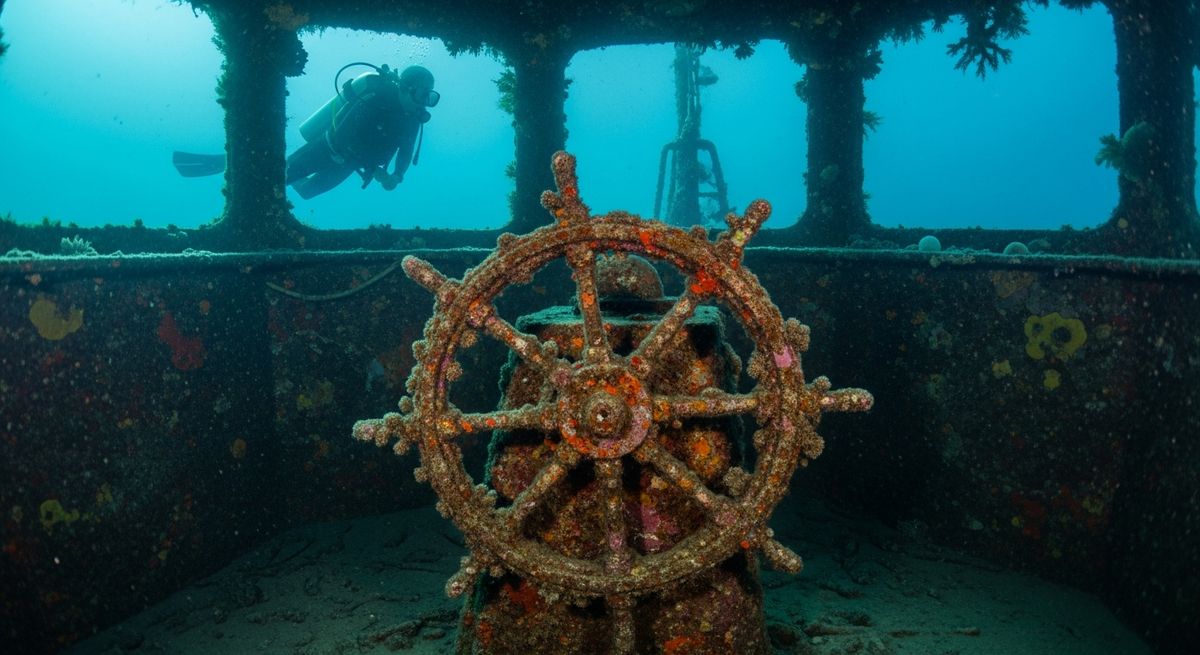
Limelight isn’t a deep dive, sitting at a comfortable 8 metres, but don’t let that fool you into thinking it’s a simple one. This motor vessel went down in 1961, and we find its age gives it a real character. She's broken up quite a bit over the years, not a perfect intact wreck, but that means plenty of interesting nooks and crannies to poke your head into. Visibility here can be a bit of a lottery, as it often is on the West Coast, so picking your day is key. We’d suggest aiming for slack tide, especially after a period of settled weather. When the light hits it right, you'll see the metal work draped in dead man's fingers, and if you look closely, plenty of squat lobsters tucked into the crevices. Our favourite part is navigating through the remaining hull plates, imagining the ship in her prime. It’s a dive that rewards slow exploration rather than speedy swim-throughs, perfect for those who love feeling the history around them.
Typical LIMELIGHT Dive Profile
Illustrative profile based on site depth and type. Actual dive profiles vary - always follow your dive computer and training.
Safety Notes
Wreck site - avoid penetration without wreck diving certification. Watch for sharp metal and entanglement hazards.
Reviews for LIMELIGHT
Conditions
Ocean conditions, forecast and tides for LIMELIGHT
Plan & book
Ways to dive Scottish West Coast, from day trips to liveaboards.
Day trips & courses
via GetYourGuideGuided dives, courses and snorkel trips with instant booking.
Find dive trips in Scottish West CoastPlaces to stay
via Booking.comHotels and dive resorts near Scottish West Coast.
Search stays in Scottish West CoastDive insurance
Most travel insurance excludes or limits scuba. Check what you need before you go.
Dive insurance explainedPartner links: we may earn a commission if you book, at no extra cost to you. How we make money
Where to Stay near LIMELIGHT
Prices from Booking.com. We may earn a commission at no extra cost to you.