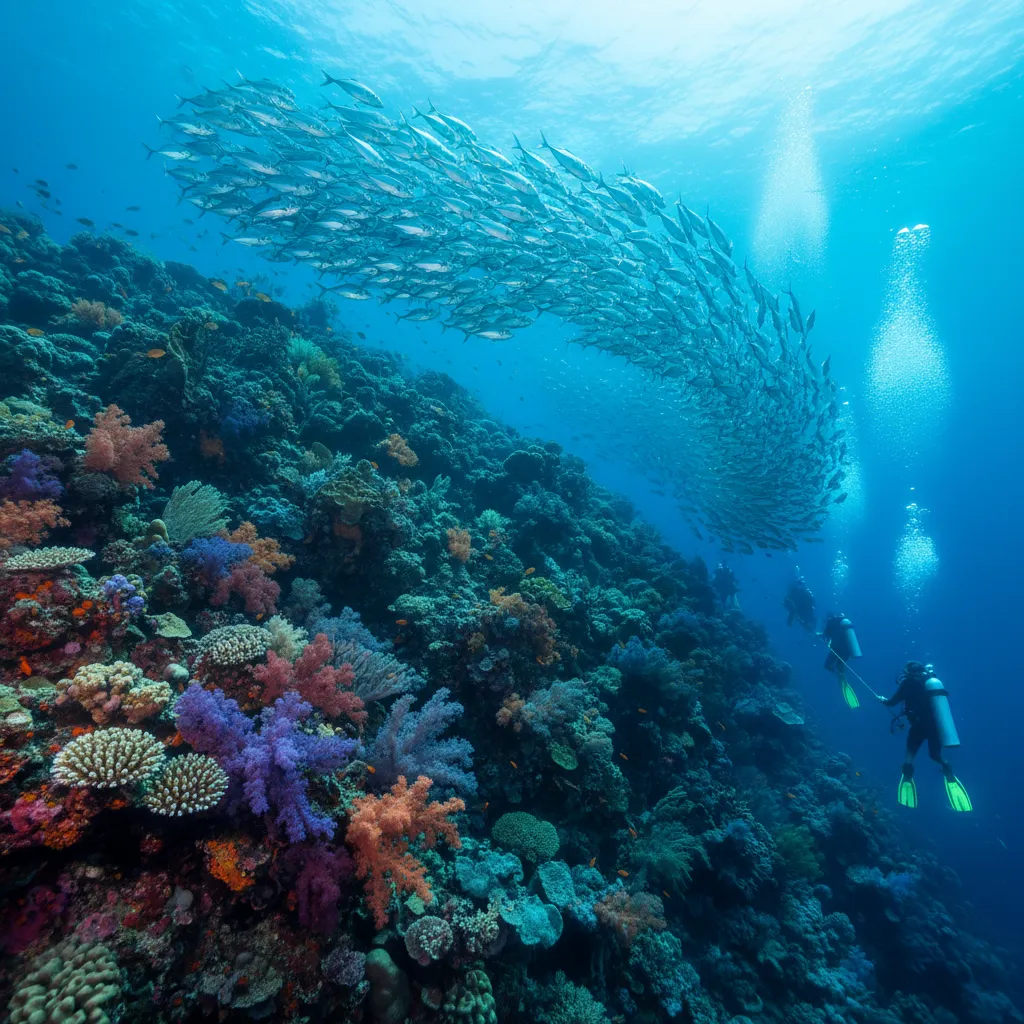
Best Drift Dives in the World
Drift diving is the closest you can get to flying underwater. Carried effortlessly by ocean currents along vibrant reef walls, through narrow channels, and past congregations of pelagic predators, drift diving delivers an exhilarating, almost weightless experience that is utterly addictive. The world's best drift dives harness powerful tidal flows and ocean currents to transport divers through ecosystems bursting with life - manta cleaning stations, shark-filled channels, and coral gardens so vast they would take hours to swim across. From the legendary currents of Komodo and Palau to the gentle drifts of Cozumel and the Maldives, drift diving rewards divers who are willing to go with the flow.
12 destinations in this collection
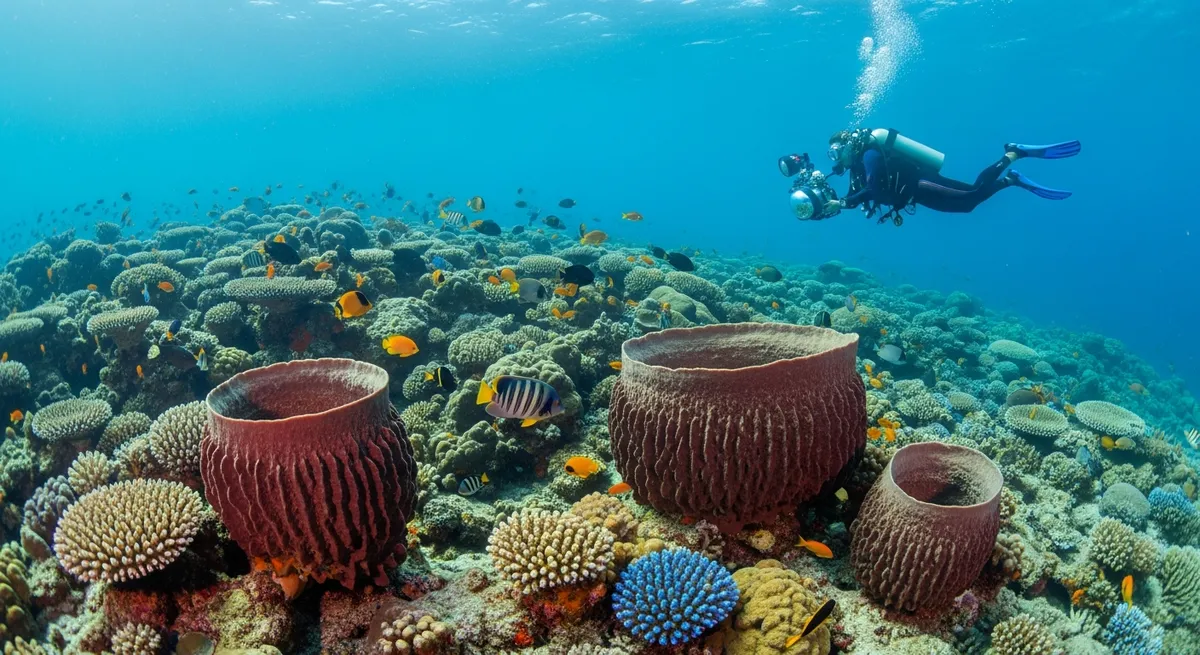

Cozumel is synonymous with drift diving. The island's western wall receives a consistent current that carries divers effortlessly past towering coral formations, swim-throughs, and sandy channels teeming with turtles, eagle rays, and nurse sharks. Palancar, Santa Rosa, and Columbia are world-class drift sites accessible to all certification levels.
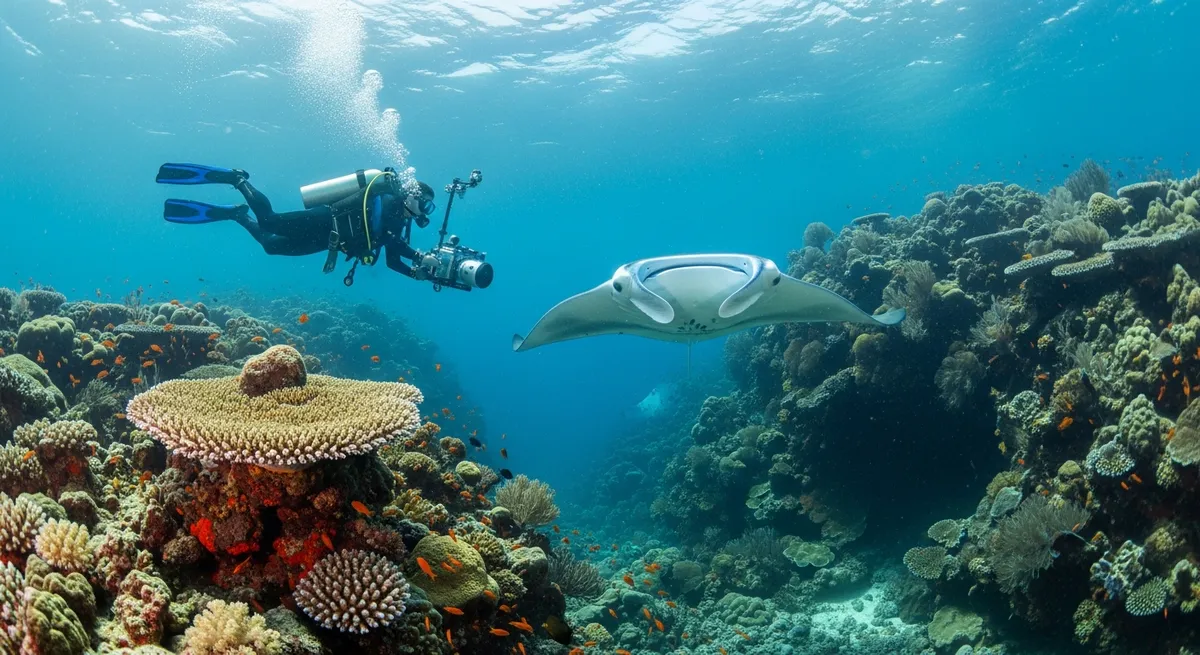

Komodo's tidal channels produce some of the strongest drift dives on the planet. Shotgun, Crystal Rock, and Cauldron deliver ripping currents that attract mantas, reef sharks, giant trevally, and dense schools of fish. The nutrient-rich waters support extraordinary biodiversity. Experience and confidence in current are essential - this is advanced drift diving at its finest.
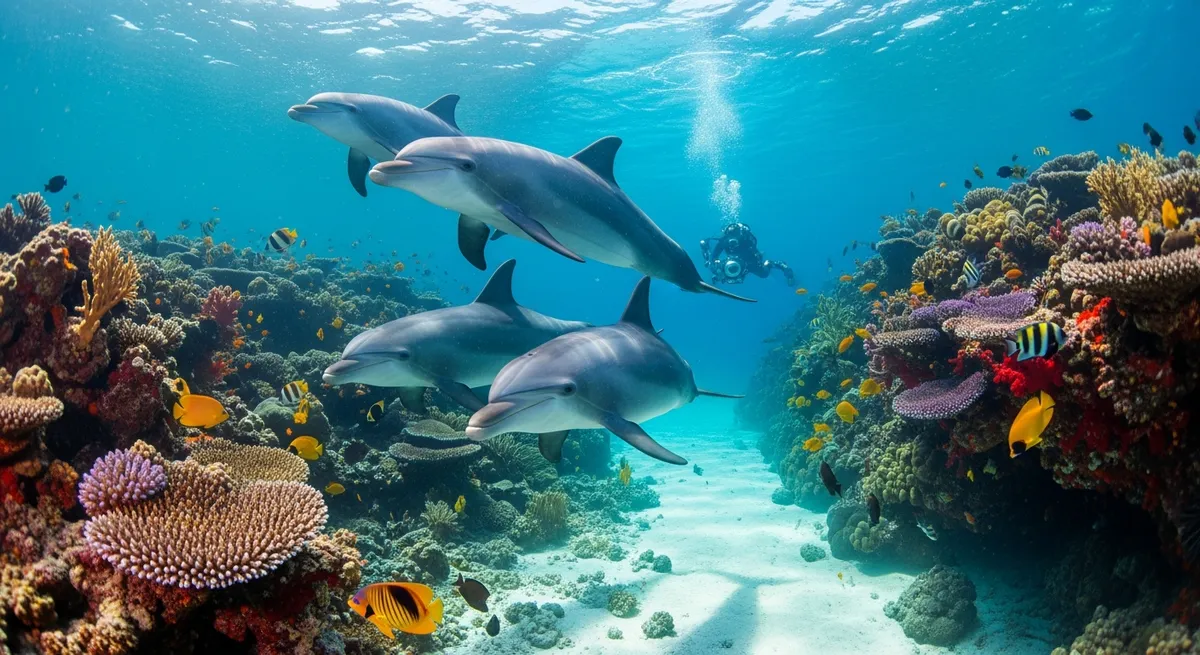
Rangiroa, French Polynesia - Tiputa Pass
French Polynesia
Rangiroa's Tiputa Pass is one of the world's great drift dives. Incoming tidal current sweeps divers through the pass past grey reef sharks, hammerheads, dolphins, and in season, manta rays. The concentration of pelagic life in the pass is extraordinary. Avatoru Pass offers a similar experience with fewer divers. Strong currents demand experience.
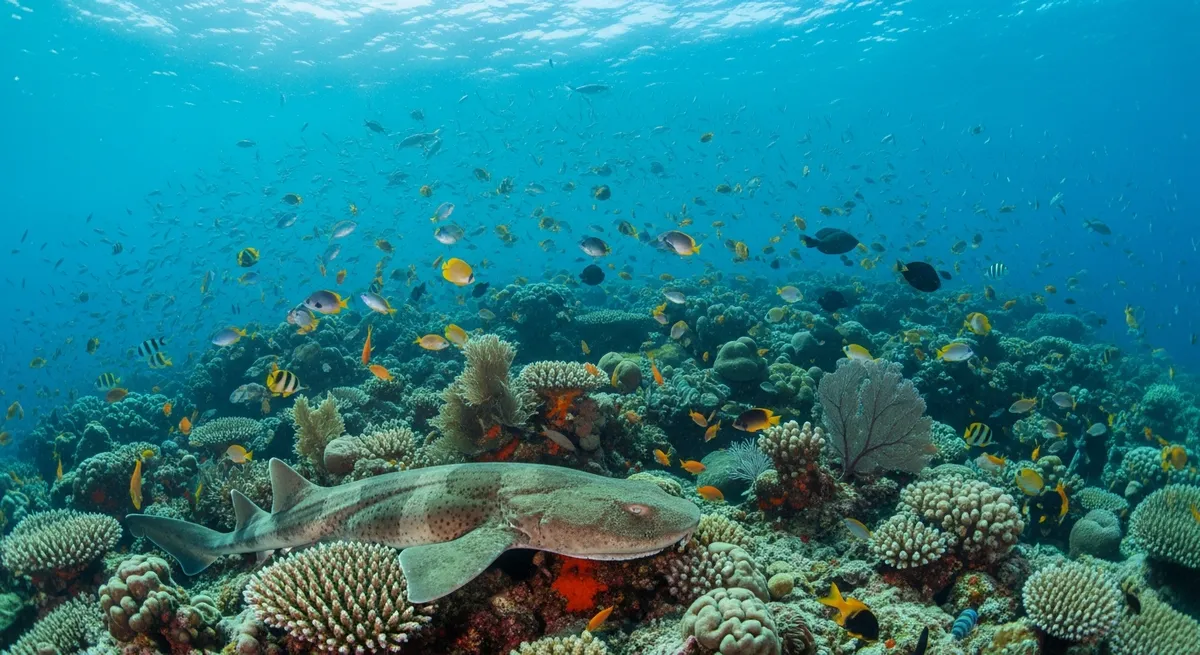
Raja Ampat's gentle-to-moderate currents nourish the most biodiverse marine environment on Earth. Cape Kri holds the world record for fish species counted on a single dive (374). Manta Sandy delivers drift encounters with reef mantas. The Dampier Strait's current-washed sites like Blue Magic produce shark, manta, and schooling fish encounters on most dives.
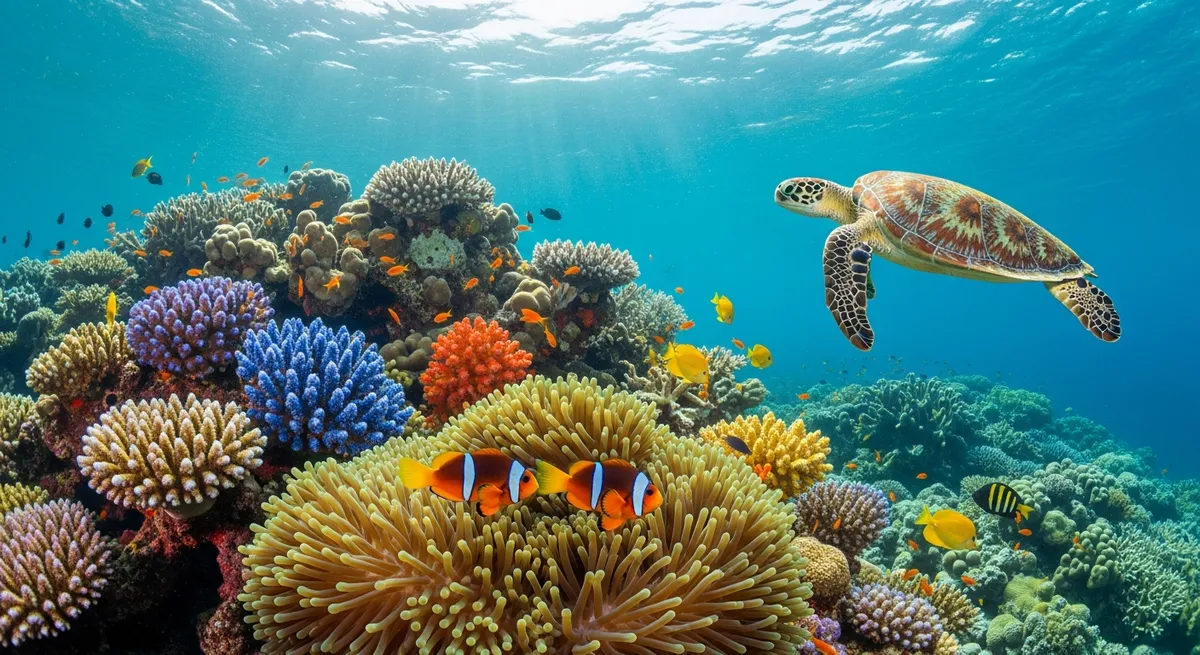

The outer Ribbon Reefs of the Great Barrier Reef offer superb drift diving along coral walls in the Coral Sea current. Sites like Steve's Bommie and Cod Hole combine drift diving with encounters with giant potato cod, reef sharks, and minke whales in season. Osprey Reef's North Horn is a thrilling shark-feed drift dive.
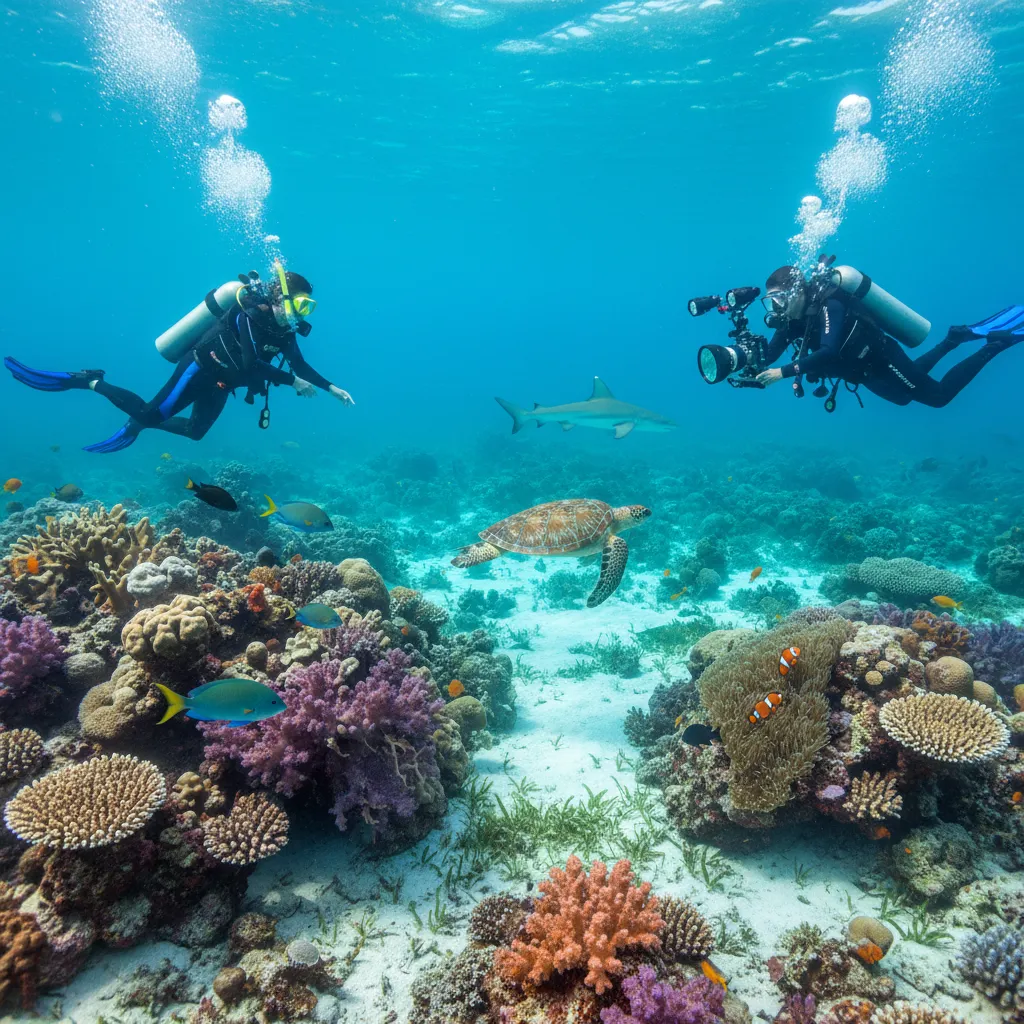

Mayotte's colossal double barrier reef system, home to the world's largest lagoon, offers unparalleled drift diving. Experience exhilarating currents through its famed passes, such as Passe en S, sweeping you past vibrant coral gardens and a rich display of pelagic life. An unforgettable Indian Ocean adventure awaits.
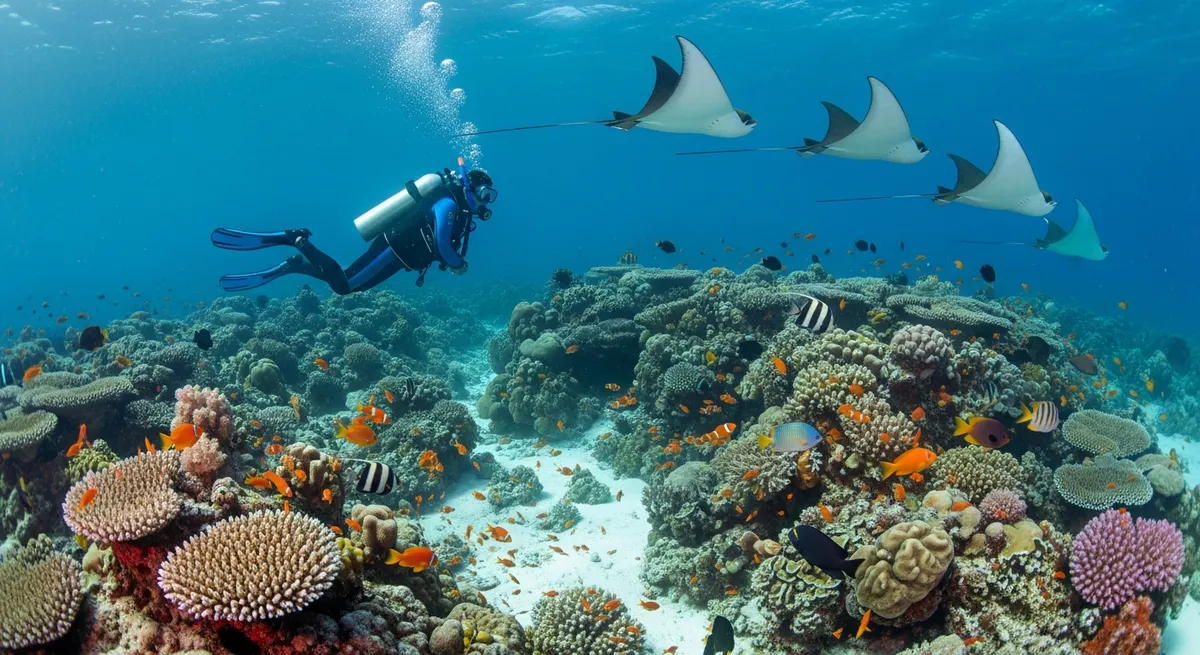
South Malé Atoll is renowned for its consistent, nutrient-rich currents that power some of the world's most exhilarating drift dives. Divers glide effortlessly past vibrant thilas and along dramatic channel walls, encountering abundant pelagic life like grey reef sharks, eagle rays, and schooling fish. Its incredible biodiversity and thrilling drift conditions make it an essential stop for any serious drift diver.
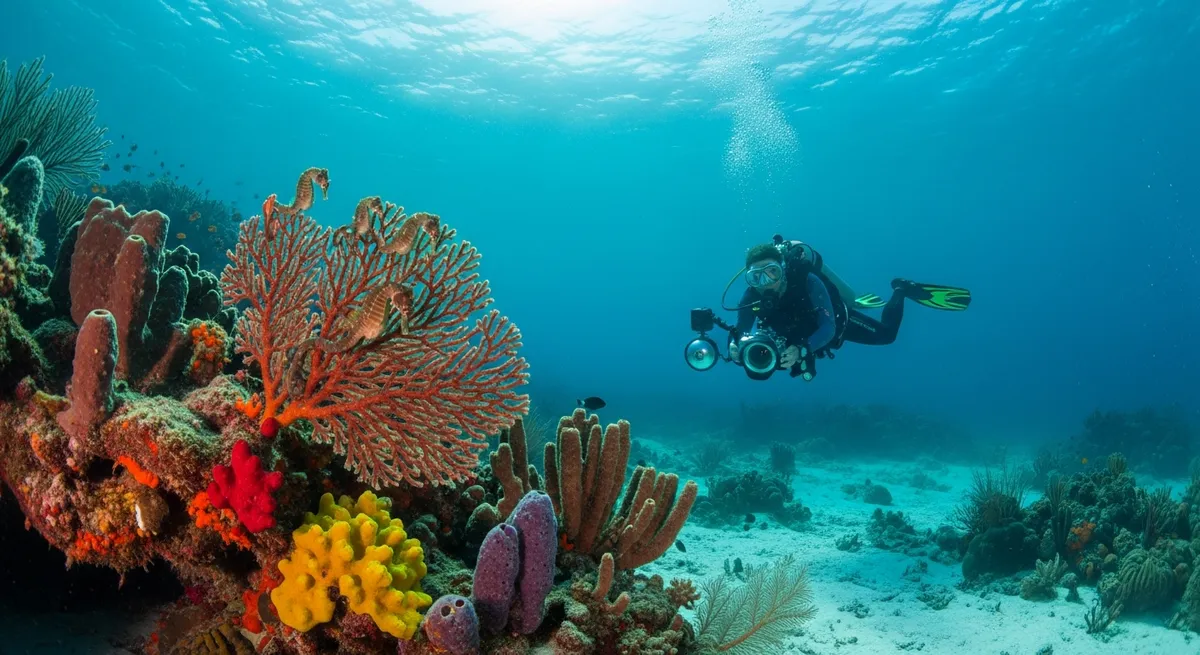
Roatán, a jewel of the Mesoamerican Barrier Reef, offers exceptional drift diving. Consistent currents effortlessly guide you along dramatic walls and vibrant coral, revealing abundant marine life for a truly serene journey.
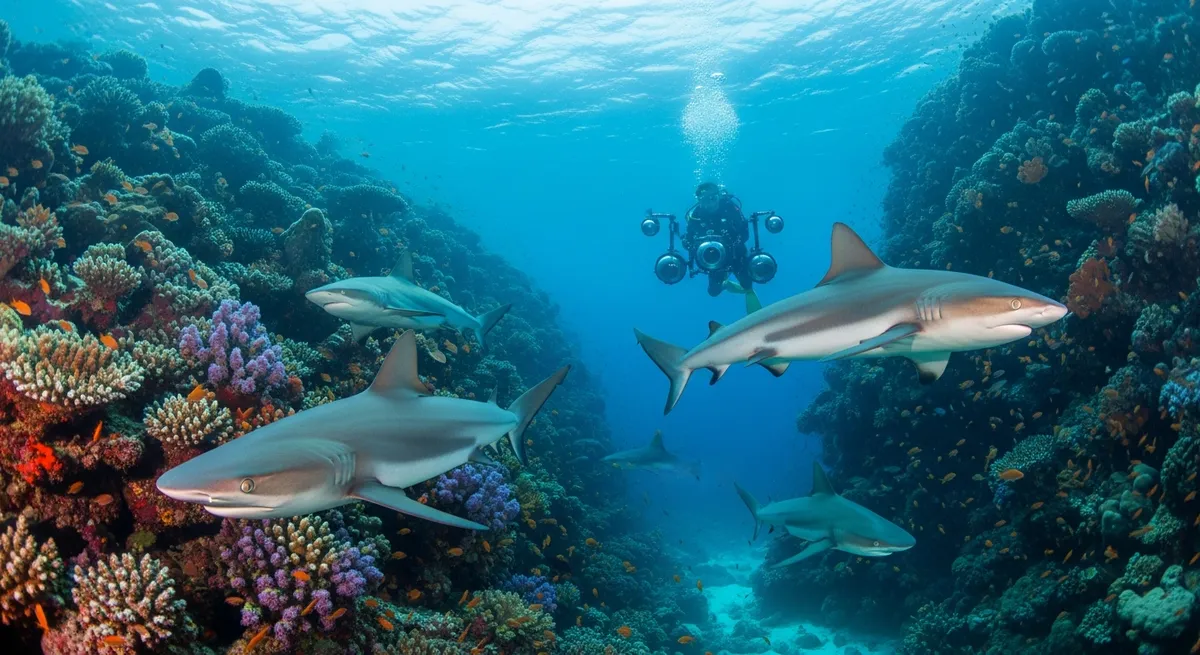
Vaavu Atoll is a drift diving mecca, renowned for its strong channel currents that deliver exhilarating encounters. Expect thrilling glides alongside grey reef sharks, eagle rays, and vast schools of fish across vibrant, current-swept reefs.
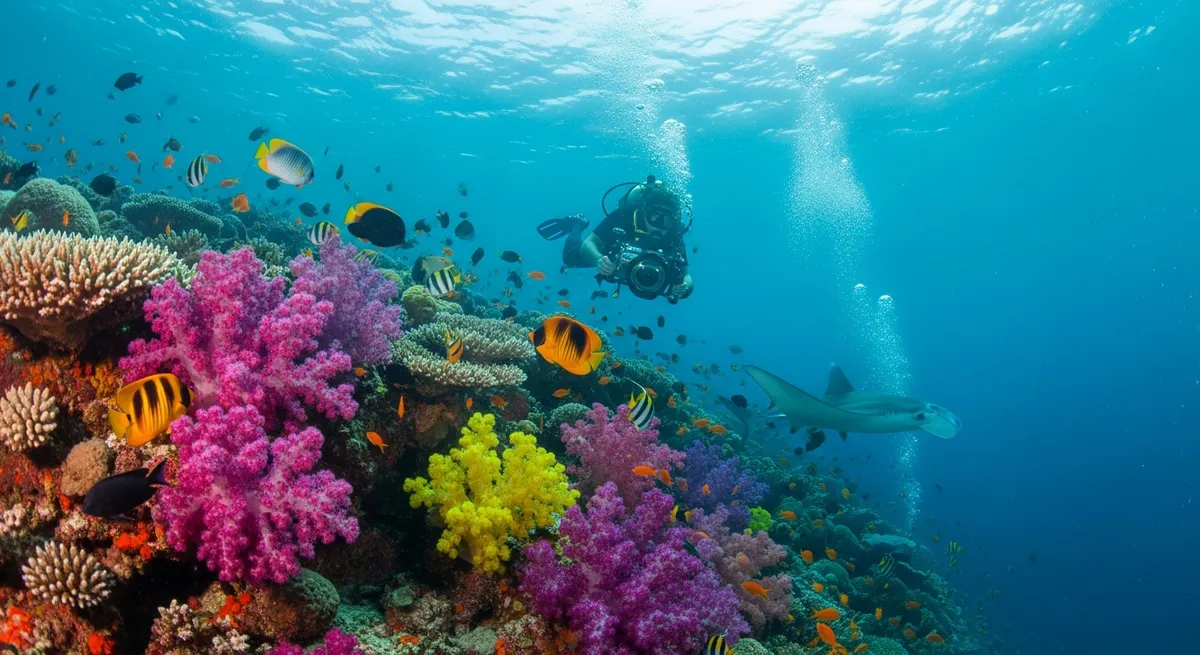
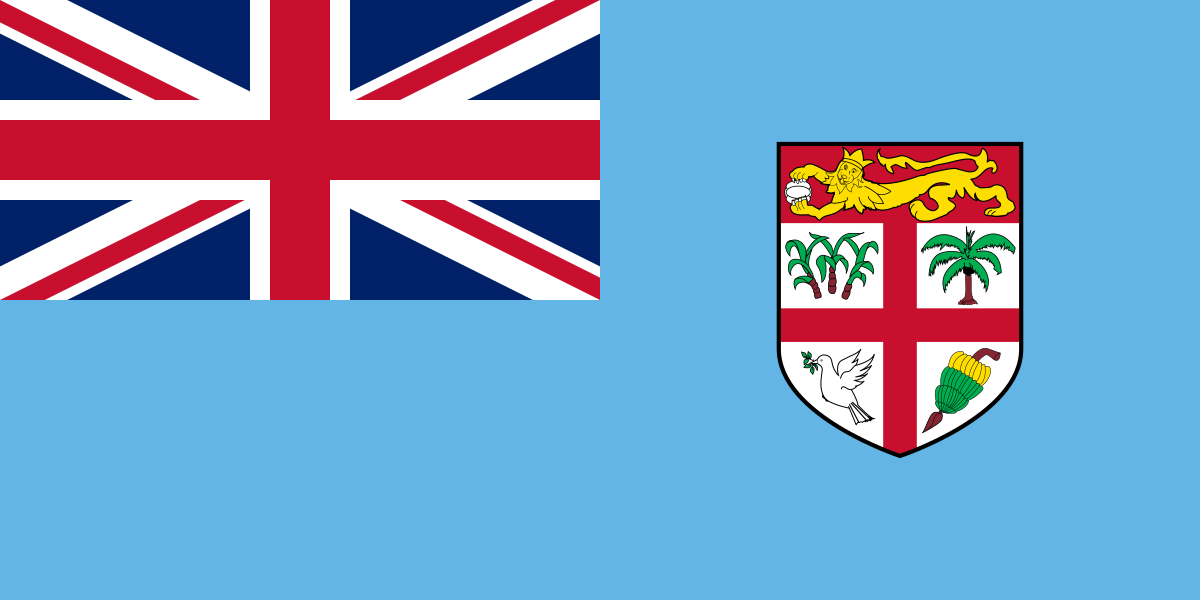
The Somosomo Strait, nestled between Taveuni and Vanua Levu, is renowned for powerful currents that feed the legendary Rainbow Reef, creating an unparalleled drift diving experience. These nutrient-rich waters fuel an explosion of vibrant soft corals, schools of fish, and pelagic encounters, making every drift a breathtaking journey through an underwater kaleidoscope.
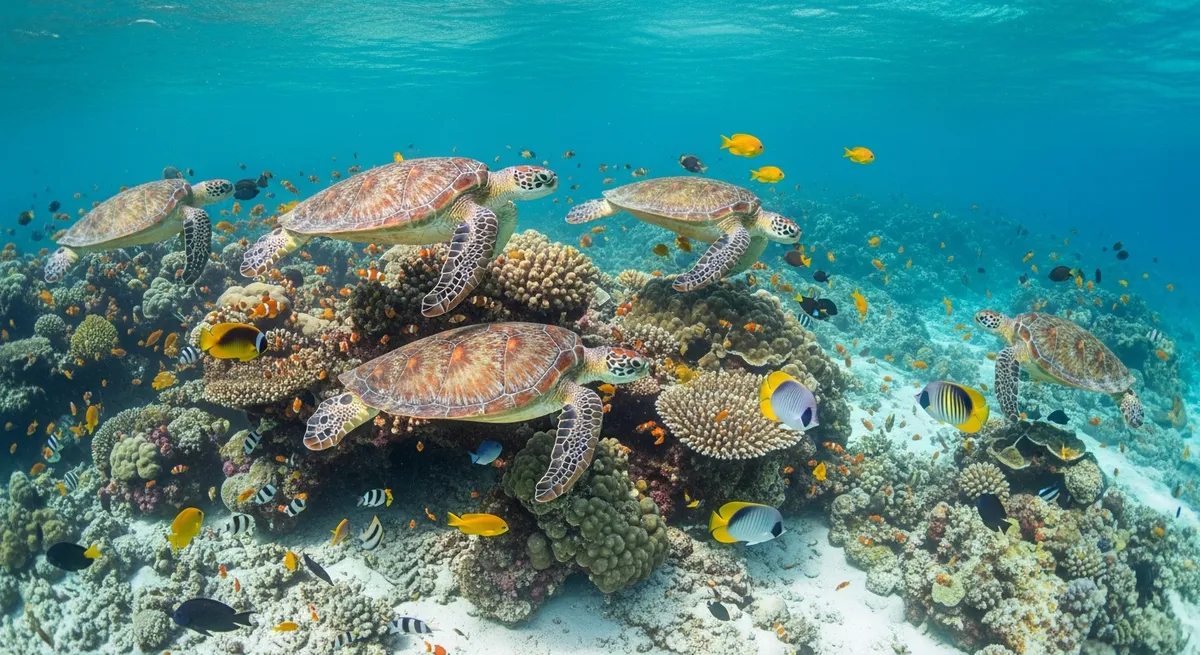
The Lombok Strait's strong currents make the Gili Islands and Lombok a drift diver's paradise. Glide effortlessly past vibrant coral gardens, diverse pelagic species, and stunning reef fish. It's a breathtaking ride through an underwater kaleidoscope.
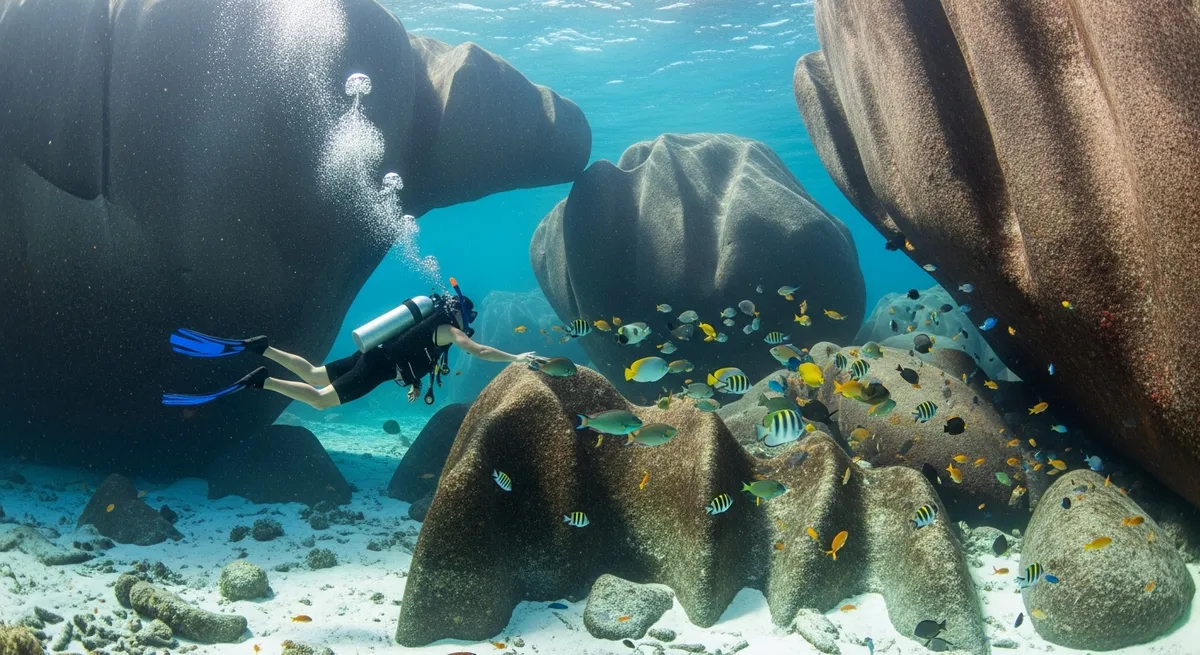
The Inner Islands deliver thrilling drift dives as strong currents funnel through channels between picturesque landmasses. These nutrient-rich flows attract incredible marine life, from vibrant reef fish to pelagics, offering exhilarating, effortless glides over stunning coral reefs. Discover a true underwater safari here.
About This Collection
Drift diving transforms the underwater experience from active swimming to passive observation. Instead of kicking against the current, you surrender to it - adjusting your buoyancy and body position to glide along the reef at whatever speed the ocean dictates. The best drift dives in the world occur where tidal exchanges, channel geography, or ocean currents create reliable, predictable flows that concentrate marine life and carry divers through spectacular seascapes.
Cozumel in Mexico is often called the drift diving capital of the world, with gentle-to-moderate currents carrying divers along the island's western wall past swim-throughs, coral heads, and sandy channels. The experience is effortless and suits all levels. At the opposite end of the spectrum, Komodo's channels produce ripping currents that deliver encounters with mantas, reef sharks, and massive schools of fish - but demand experience and confidence.
The key to great drift diving is a skilled boat captain who reads the current, drops you at the right point, and picks you up wherever the drift takes you. A surface marker buoy (SMB) is essential equipment, and the ability to deploy it while drifting is a crucial skill.
Looking for more options? Best Drift Diving Destinations lists all dive sites of this type worldwide.