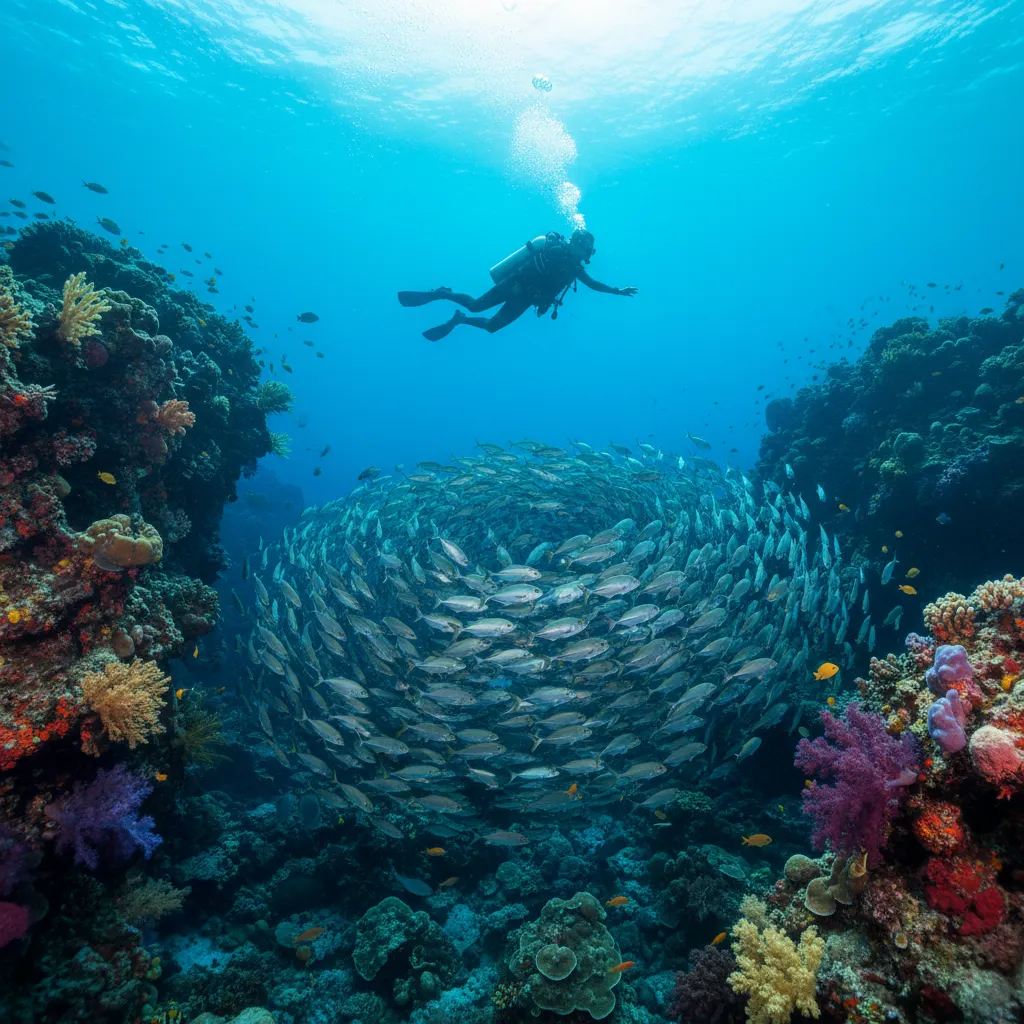
Most Famous Dive Sites
Some dive sites transcend the diving community and become part of the world's cultural imagination. These are the locations that even non-divers have heard of - sites that have been featured in films, documentaries, and bestselling books, and that have shaped how the world thinks about the ocean. From the wreck that inspired a James Cameron film to the reef system visible from space, these are the dive sites that have earned true global fame.
12 destinations in this collection
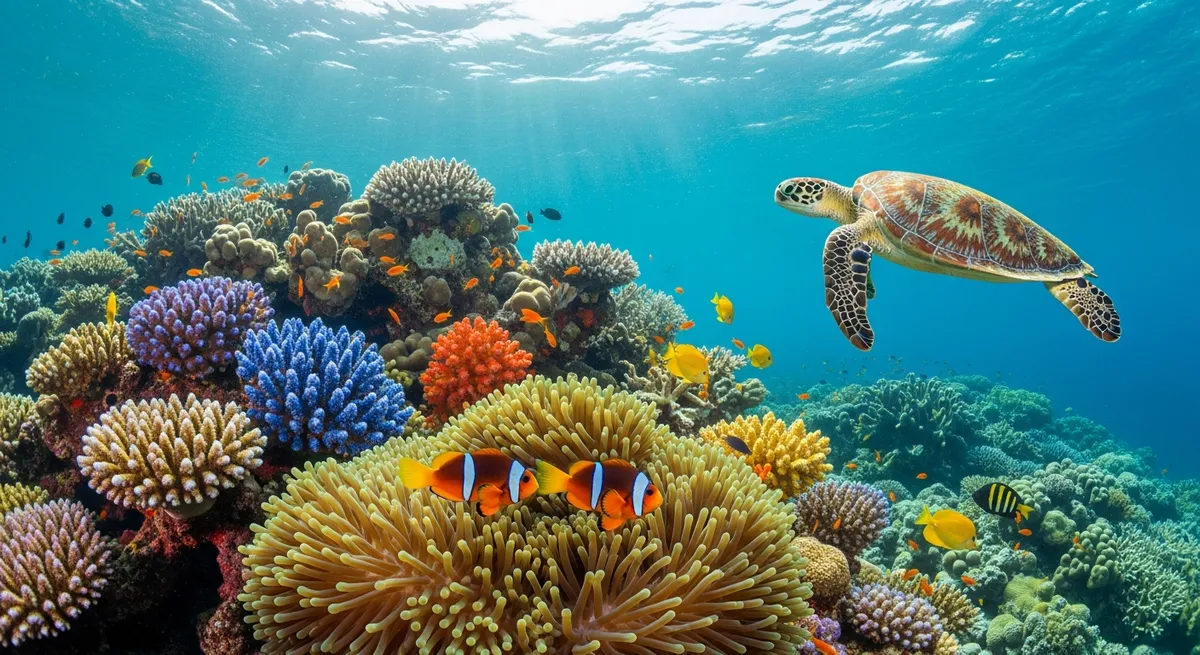
Great Barrier Reef, Australia
Australia
The largest living structure on Earth - 2,300 kilometres of reef visible from space, and the world's most recognised dive destination.
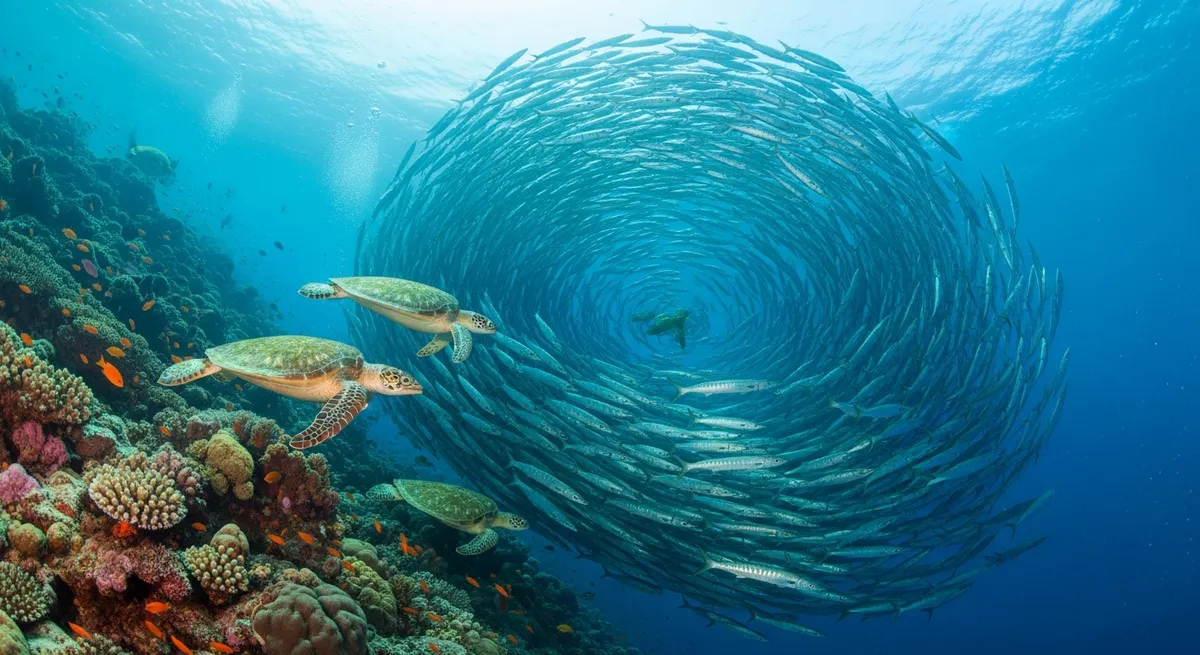
Sipadan, Malaysia
Malaysia
Jacques Cousteau called it 'an untouched piece of art' - its barracuda tornado and turtle-lined walls define diving excellence.
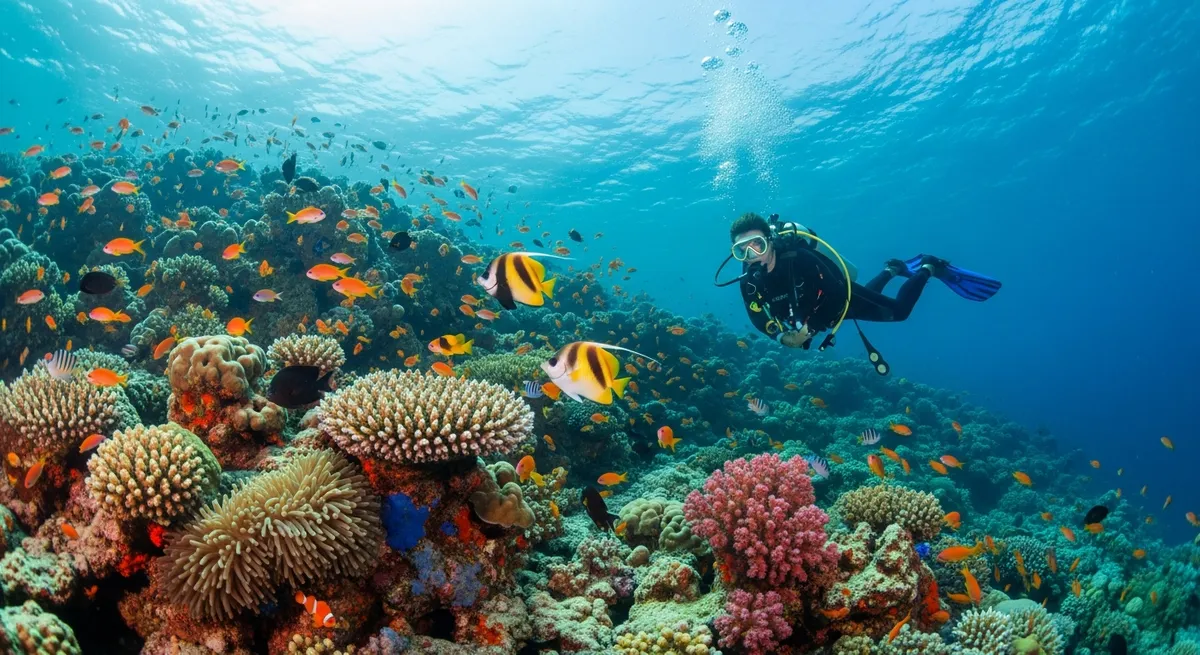

The world's most famous wreck dive - a WWII cargo ship with motorcycles, trucks, and locomotives perfectly preserved at 30 metres.
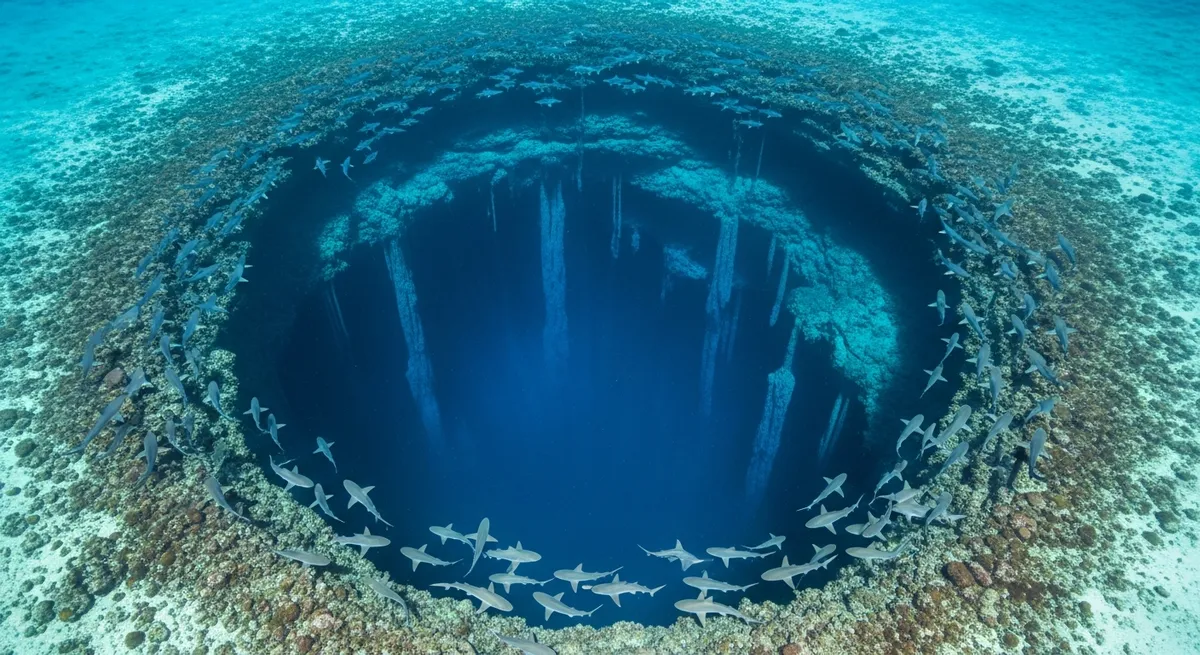
Great Blue Hole, Belize
Belize
A perfect 300-metre circle of deep blue that has become the most photographed and recognised dive site on the planet.
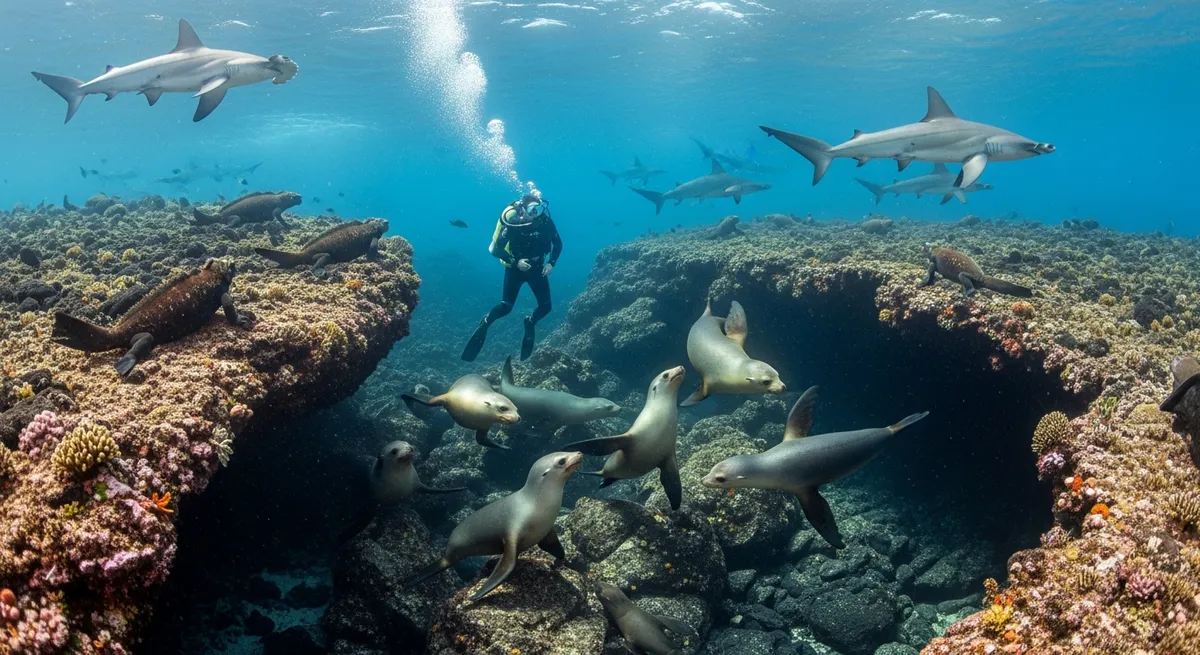
Galápagos Islands, Ecuador
Ecuador
Darwin's living laboratory beneath the waves, where hammerheads, marine iguanas, and penguins create a diving experience like no other.
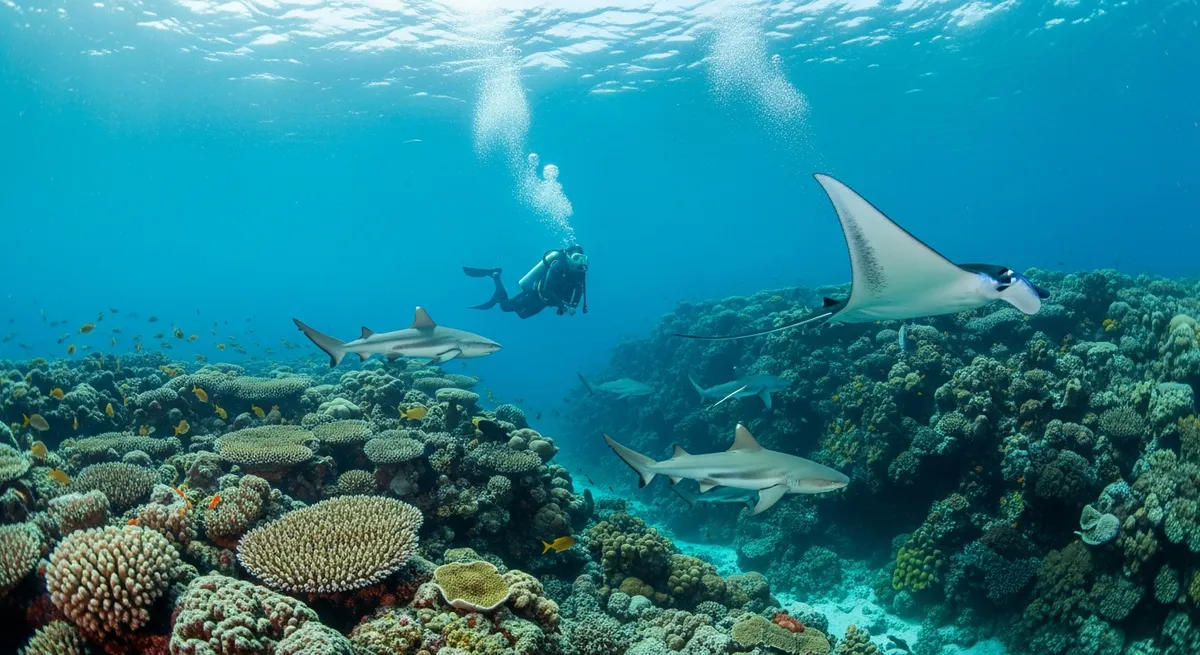
Tubbataha Reef, Philippines
Philippines
UNESCO World Heritage atoll reef in the middle of the Sulu Sea - pristine, remote, and legendary among serious divers.
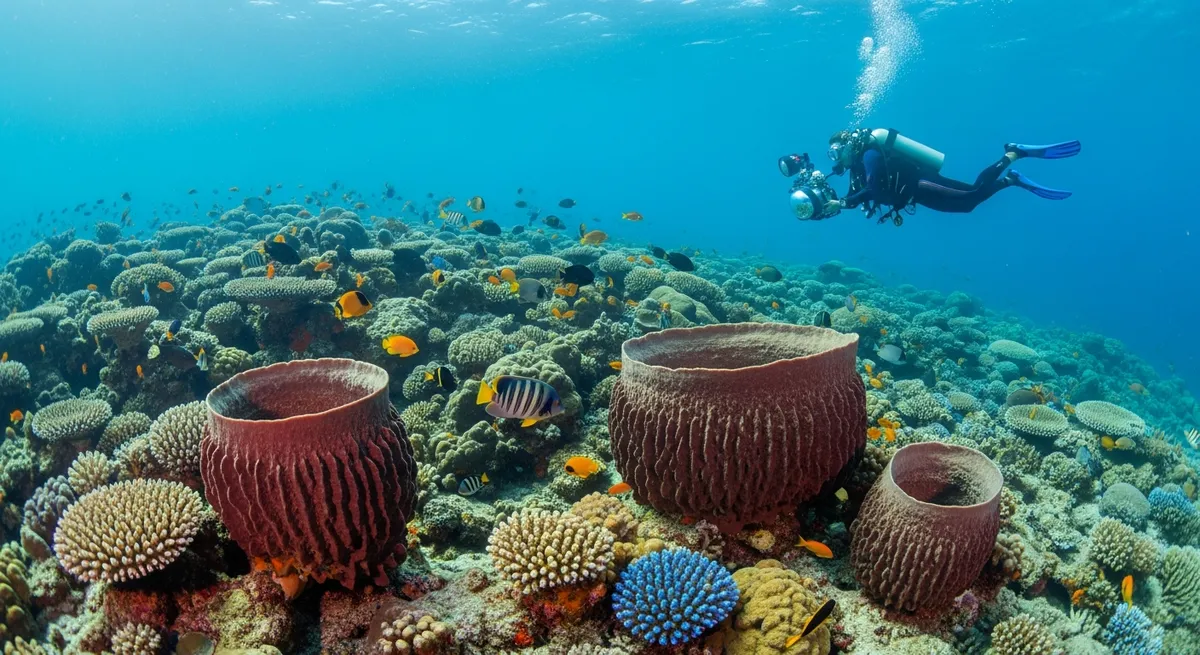
Palancar Reef, Cozumel
Mexico
Jacques Cousteau put Cozumel on the map in 1961 - its crystal-clear drift diving remains among the Caribbean's finest.
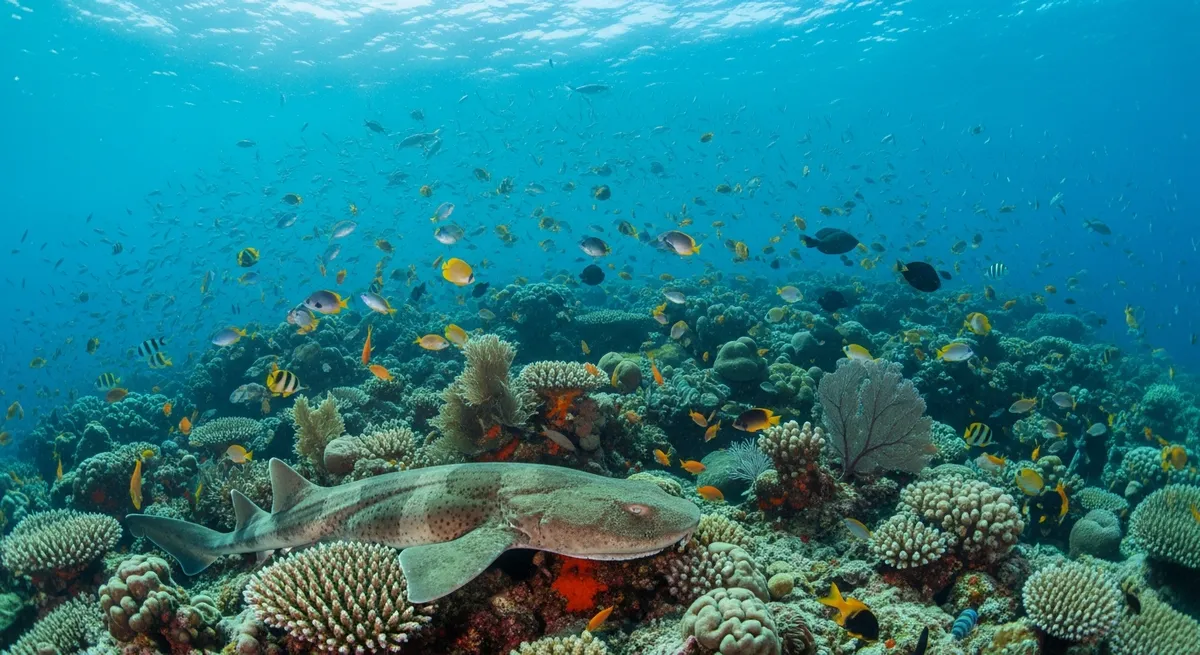

As the undisputed epicenter of marine biodiversity, Raja Ampat offers an unparalleled diving experience amidst the planet's richest coral reef ecosystems. Divers are treated to a kaleidoscopic array of vibrant corals, schooling fish, and unique macro creatures, making every descent an encounter with an astonishing underwater world. It's a truly famous destination for its sheer abundance and diversity of marine life.
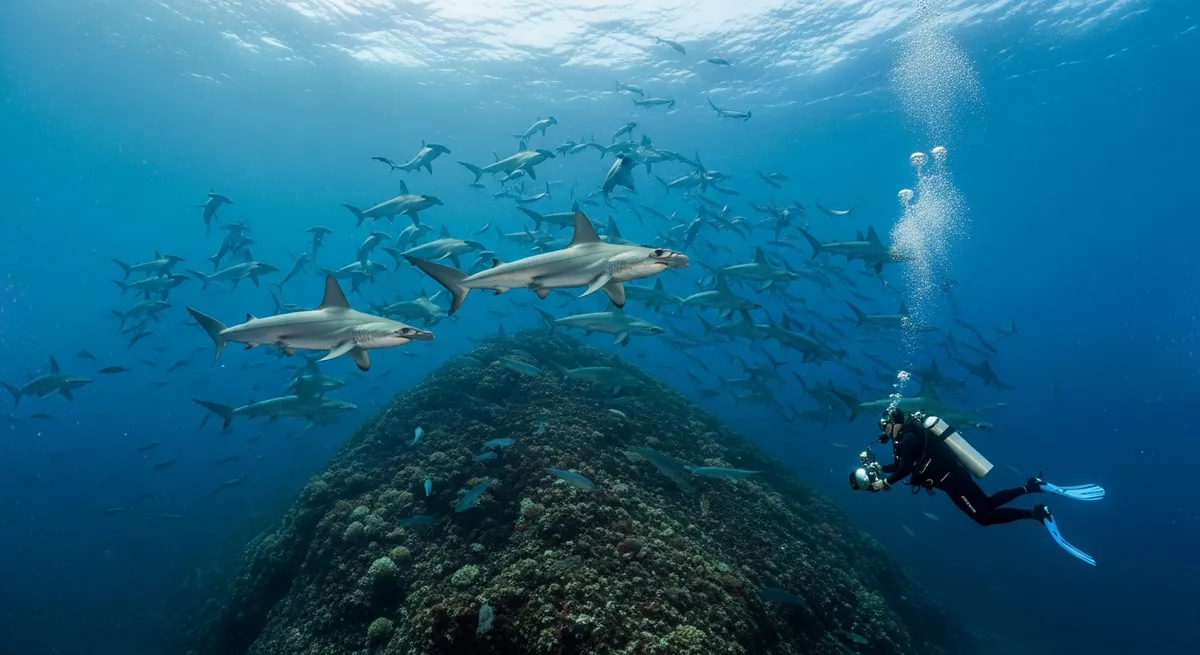
Cocos Island: World's Hammerhead Capital
Costa Rica
Dive into the ultimate pelagic paradise at Cocos Island, globally renowned for its immense schools of hammerhead sharks. This remote, protected marine park delivers an unrivaled underwater spectacle, with daily encounters of large predators and vibrant marine life, solidifying its fame.
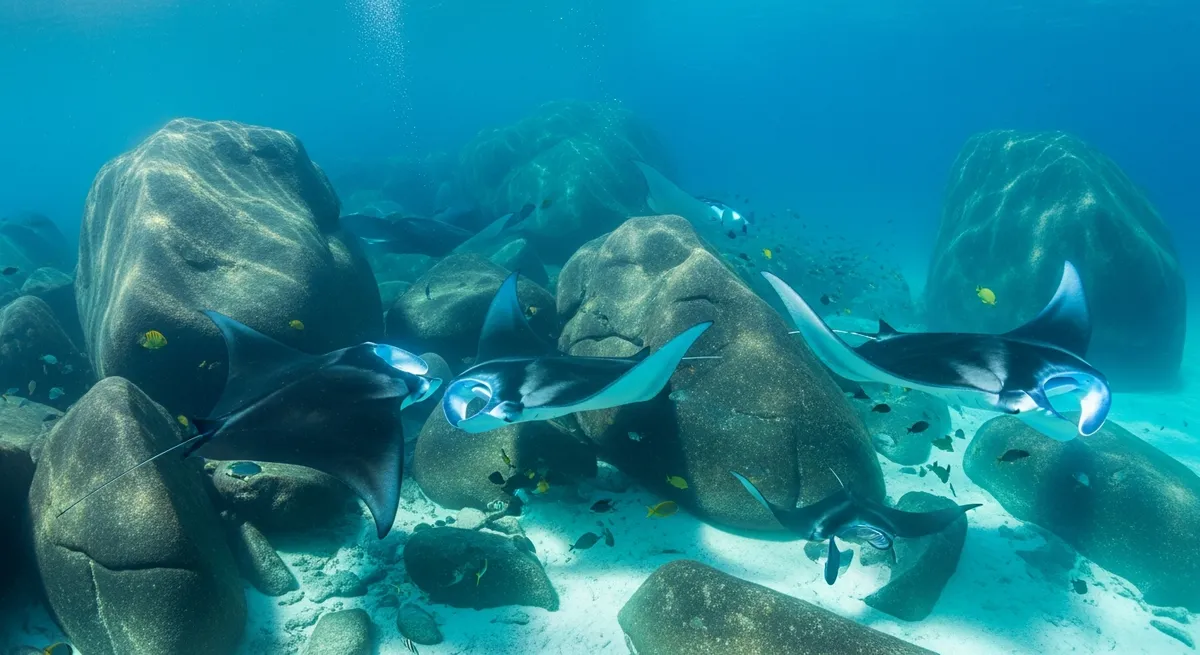

Thailand's Similan Islands, a protected marine national park, offers world-famous diving. Its crystal-clear waters, impressive granite formations, and vibrant reefs are a draw, but the highlight for many is the seasonal chance to encounter majestic whale sharks. This makes it an essential for any collection of the most iconic dive sites.
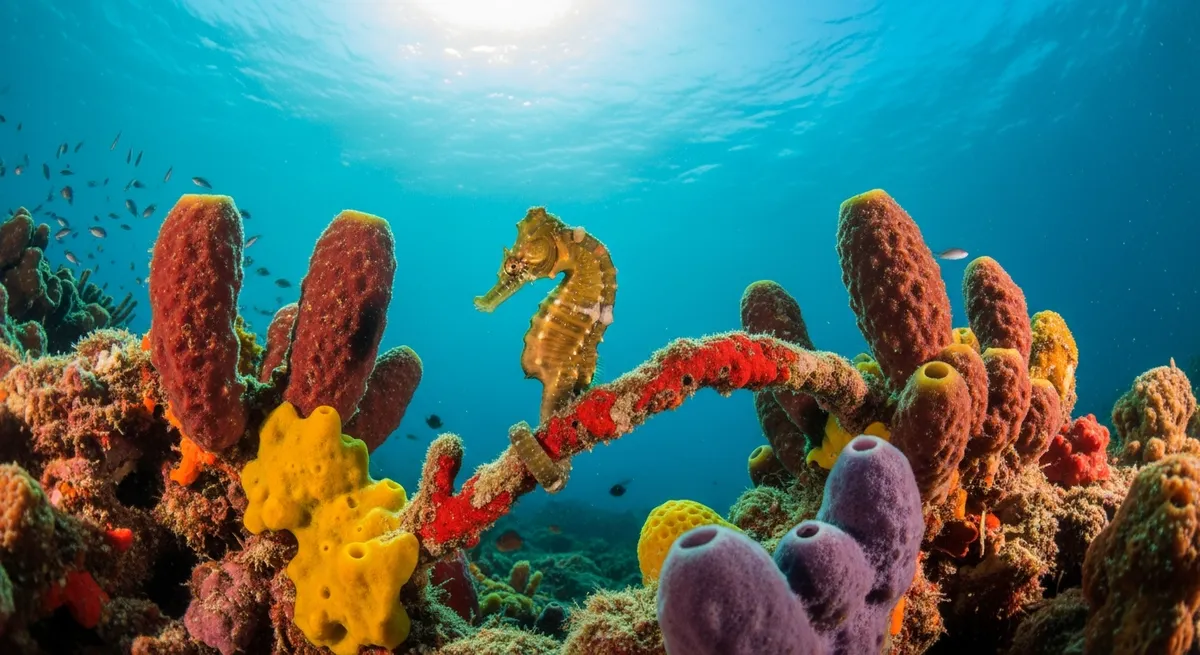

Bonaire's West Coast is world-renowned as the shore diving capital, offering unparalleled access to stunning underwater ecosystems. With pristine fringing reefs just steps from the coast, divers enjoy the practical freedom to explore vibrant marine life at their own pace, any time.
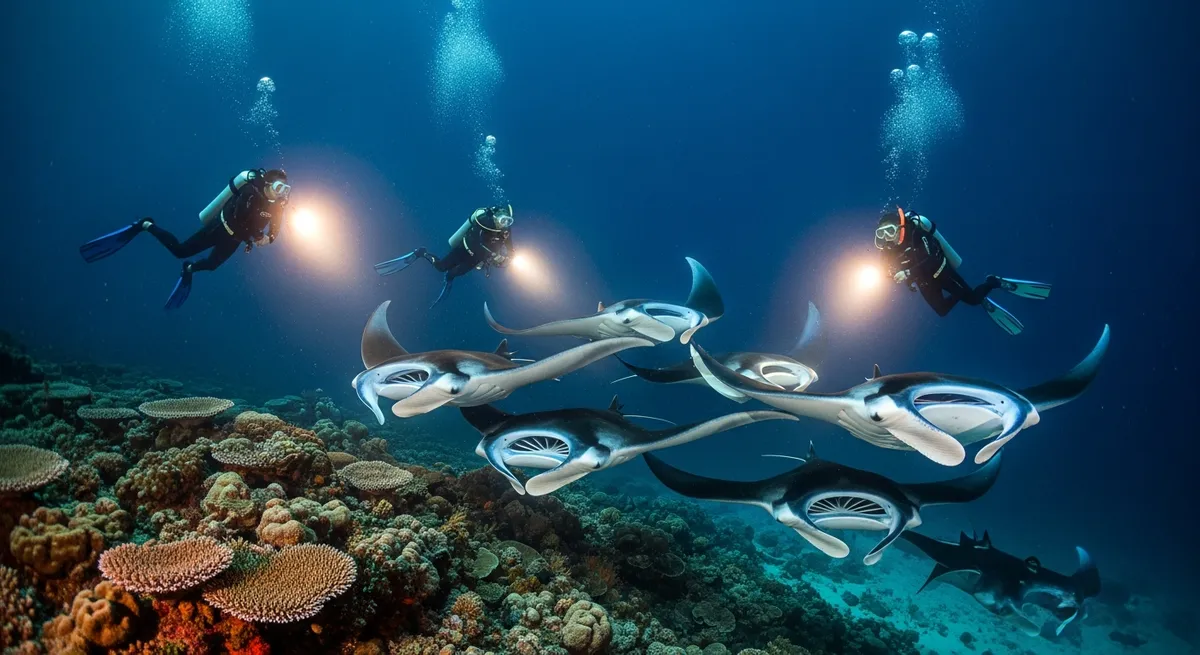
Hawaii: Volcanic Wonders & Manta Nights
United States
Hawaii's underwater world captivates with dramatic volcanic landscapes, including lava tubes and arches, teeming with diverse endemic marine life found nowhere else. It's especially renowned for its iconic night dives, offering unforgettable, close encounters with majestic manta rays, making it a must for any famous dive collection.
About This Collection
Icons of the Underwater World
Fame in diving is earned through a combination of natural spectacle, historical significance, and media exposure. The Great Barrier Reef is famous because it is the largest living structure on Earth. The Thistlegorm is famous because it is a time capsule of World War II, perfectly preserved in the warm Red Sea. Sipadan is famous because Jacques Cousteau declared it "an untouched piece of art." Each site on this list has a story that resonates far beyond the diving community.
Living Up to the Hype
The question every diver asks about famous sites is: does it live up to the hype? The answer, almost universally with these sites, is yes - and then some. Fame brings divers, but these locations have the scale, the marine life, and the visual impact to deliver on their reputation even when you arrive with sky-high expectations. The Great Barrier Reef is not diminished by knowing about it in advance; Sipadan's barracuda tornado is every bit as mesmerising as the photographs suggest.