Marine Conservation Diving Experiences
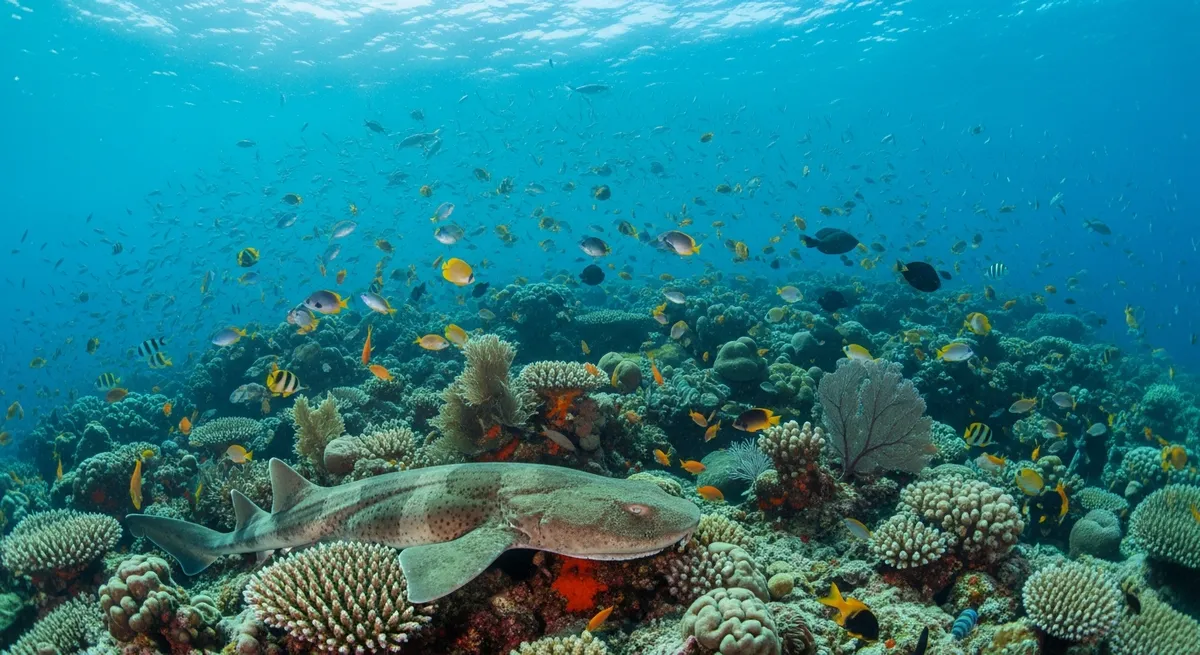
Diving can be more than a holiday - it can be a force for positive change. These destinations and programmes combine world-class diving with meaningful conservation work, giving you the opportunity to contribute to marine science, coral restoration, shark research, and habitat protection while exploring some of the ocean's most important ecosystems. From citizen science reef surveys to hands-on coral gardening, conservation diving turns your passion into purpose.
How Divers Make a Difference
The global diving community represents millions of educated ocean advocates with firsthand knowledge of marine ecosystems. Conservation diving programmes harness this potential by training recreational divers to collect scientific data, participate in restoration projects, and support the economic case for marine protection. When a reef generates more revenue from dive tourism than it would from fishing, governments have a powerful incentive to protect it.
Types of Conservation Diving
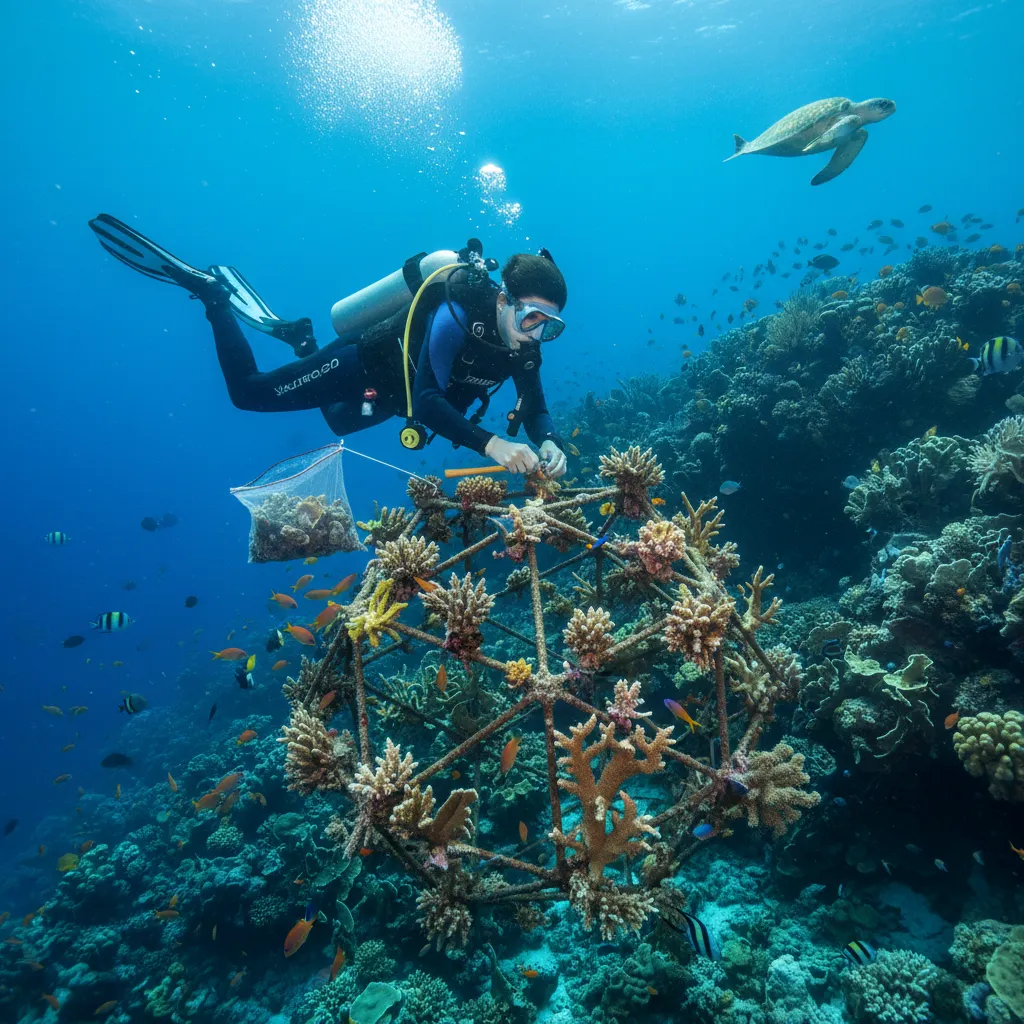
Citizen science programmes like Reef Check and PADI AWARE train divers to conduct standardised reef health surveys. Coral restoration projects in the Maldives, Indonesia, and the Caribbean teach participants to fragment and transplant coral. Shark research programmes in Fiji, the Bahamas, and South Africa involve tagging, photo-ID, and behavioural observation. Marine debris cleanups organised by dive centres worldwide remove tonnes of rubbish from reefs annually. Each programme contributes real data and tangible benefits to marine conservation.
Choosing a Conservation Programme
Look for programmes affiliated with recognised scientific institutions or conservation organisations. The best programmes provide pre-dive training, follow established scientific protocols, and publish their findings. Avoid "voluntourism" operations that prioritise fees over outcomes - genuine conservation programmes will be transparent about their methods, data usage, and conservation impact.
12 Top Destinations
Raja Ampat, Indonesia
Community-based marine conservation where dive tourism directly funds local reef protection and no-take zones.
Great Astrolabe Reef, Fiji
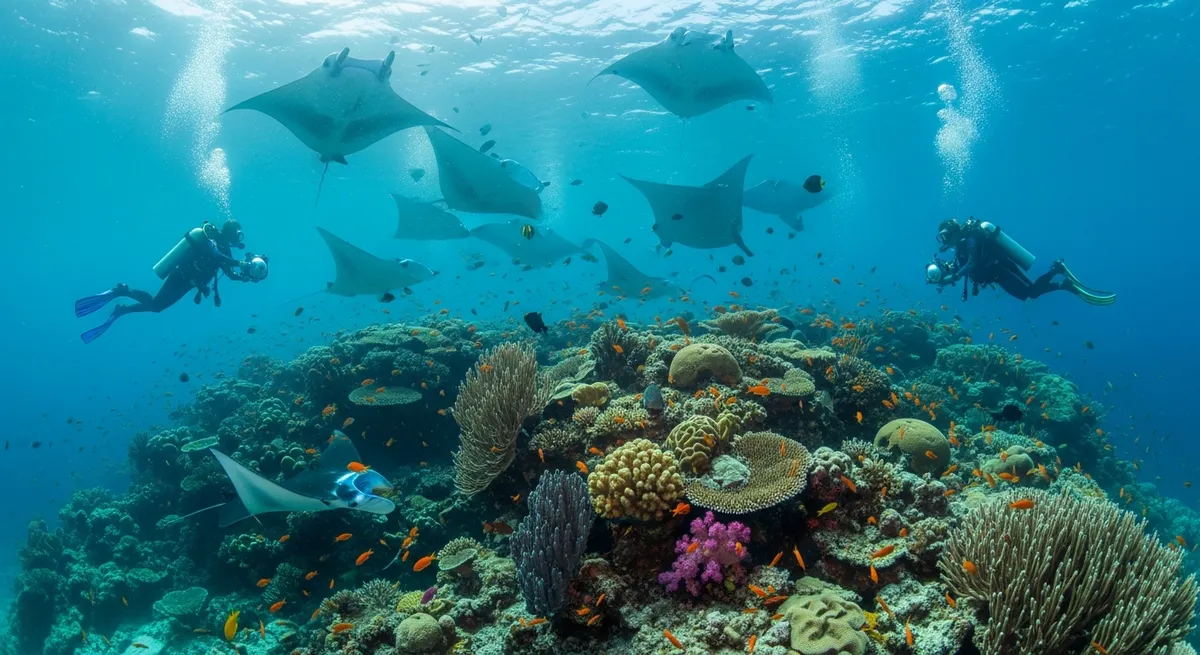
Shark conservation diving where reef shark populations are protected by community-managed marine reserves funded by dive tourism.
Galápagos Marine Reserve, Ecuador
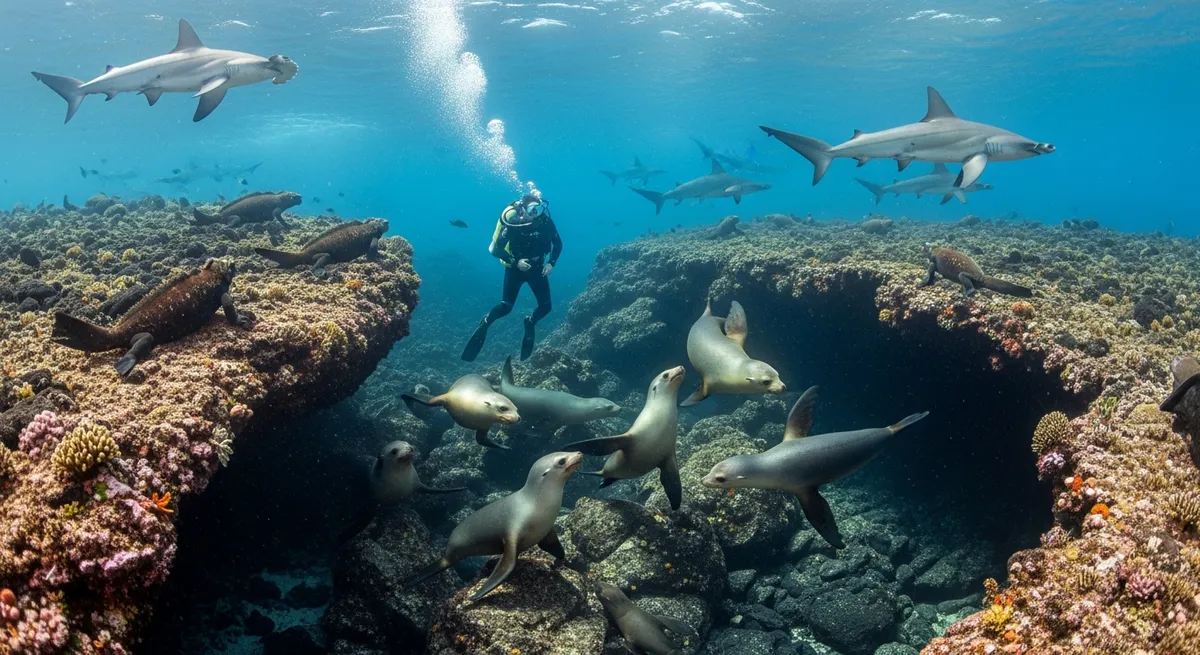
One of the world's most important marine science laboratories, with citizen science programmes for visiting divers.
Maldives Coral Restoration
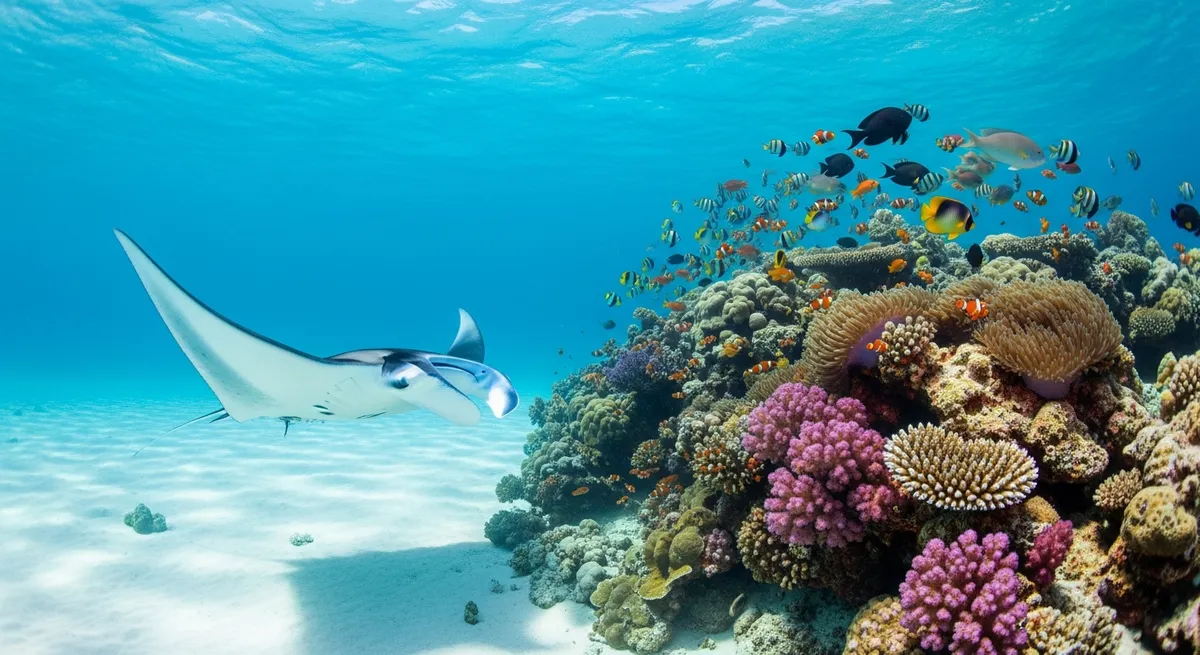
Hands-on coral gardening programmes at resorts and dive centres, transplanting coral fragments to restore bleached reefs.
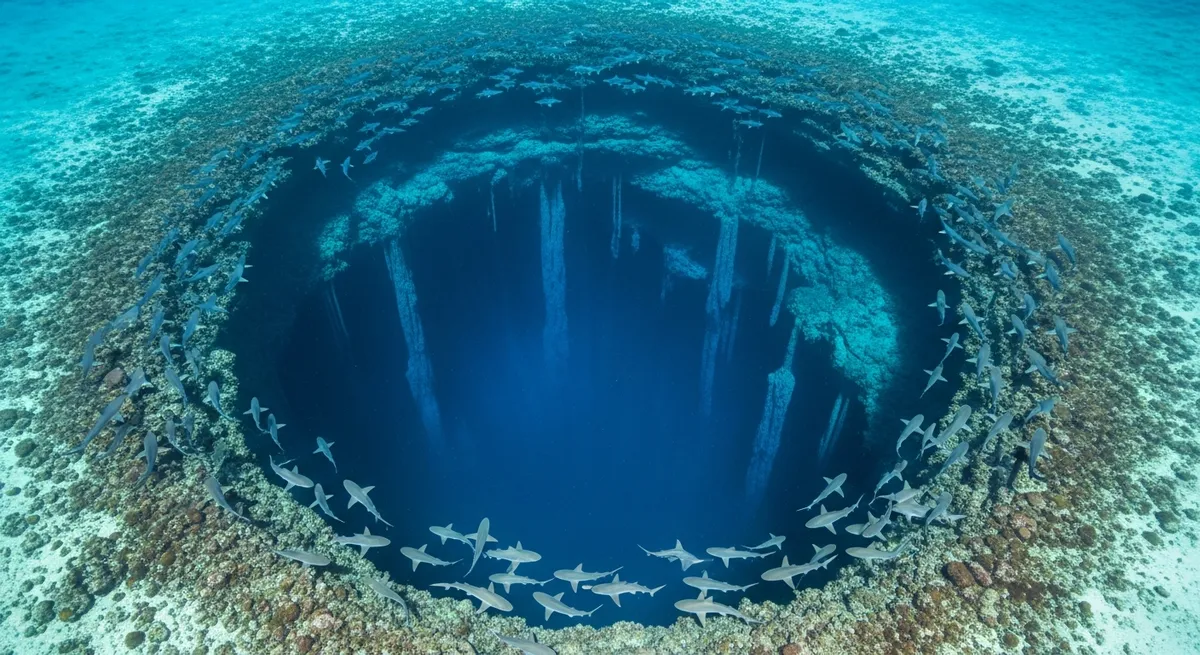
Belize Barrier Reef
Citizen science reef monitoring along the world's second-largest barrier reef, supporting UNESCO World Heritage Site management.
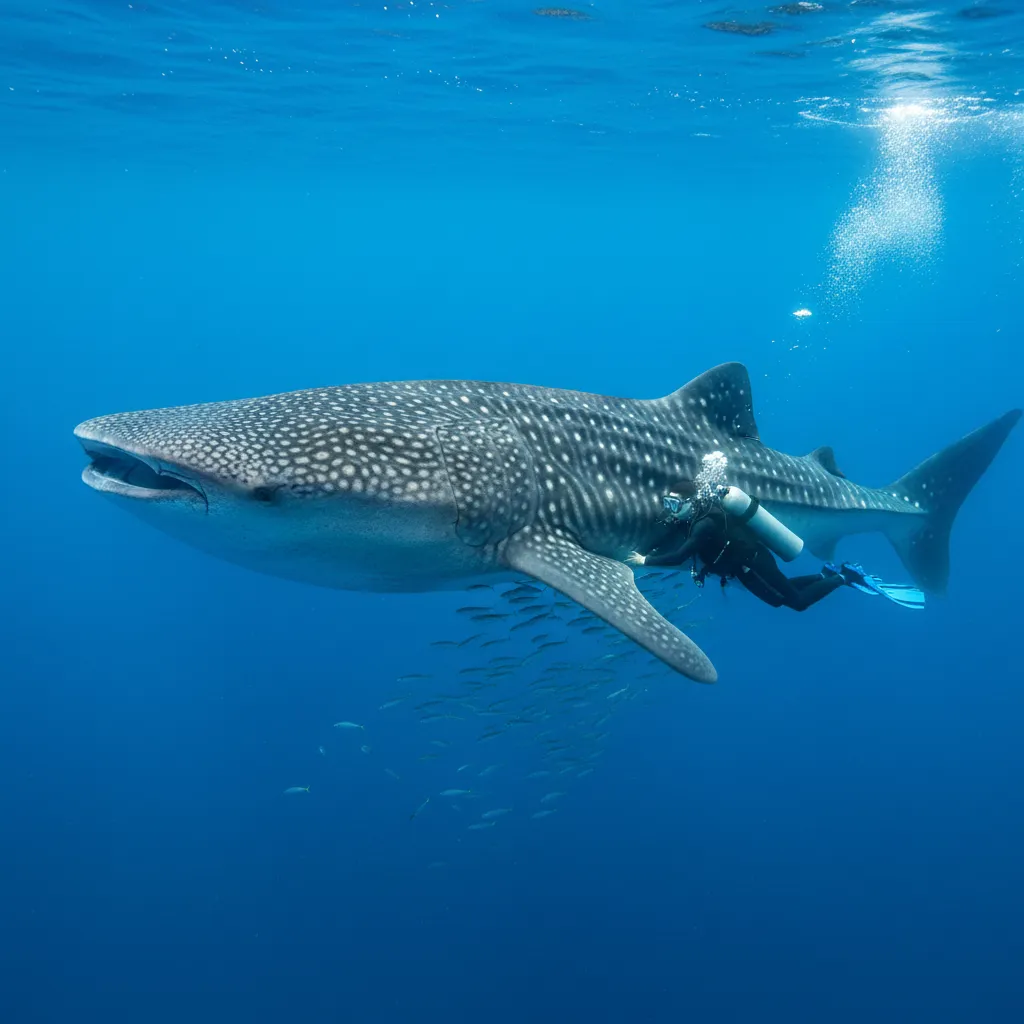
Whale Shark Research
Photo-ID and citizen science programmes helping track whale shark populations worldwide through diver-submitted images.
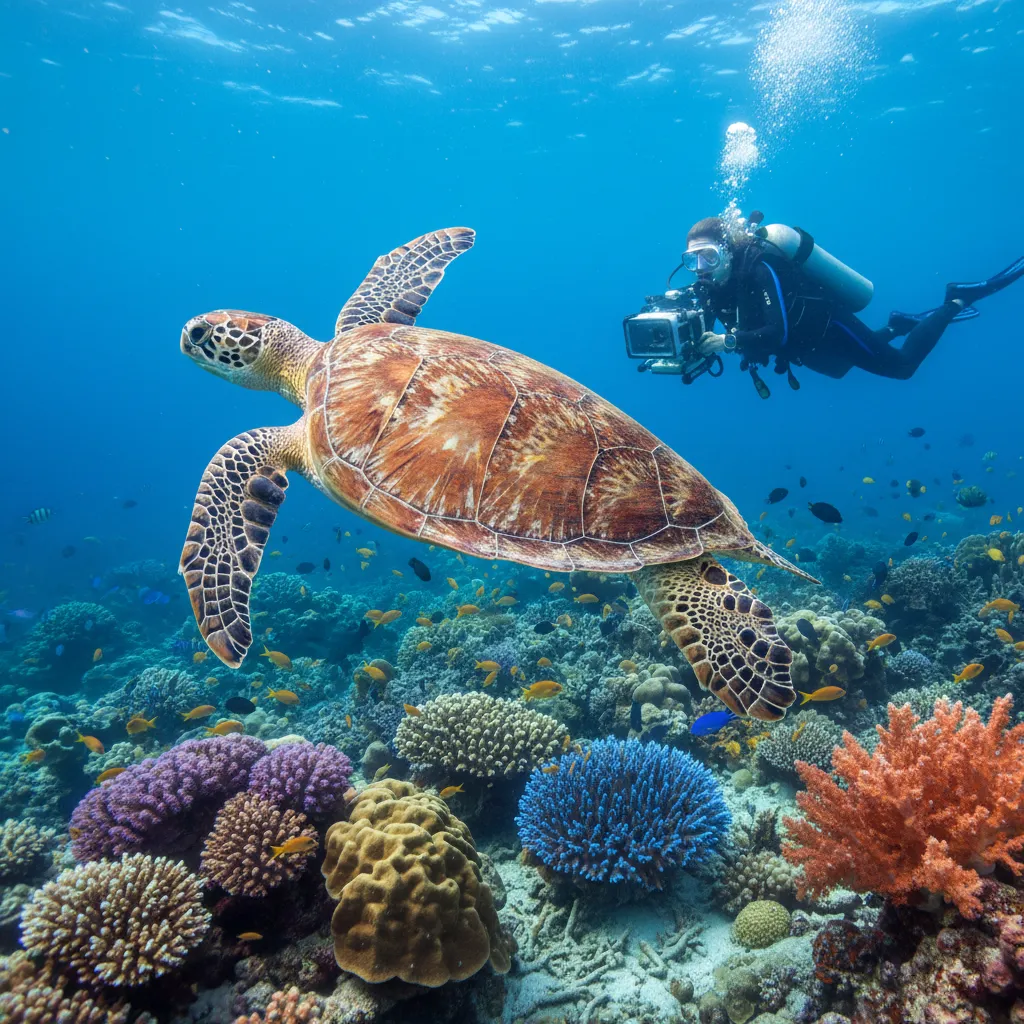
Sea Turtle Conservation
Turtle monitoring and nesting protection programmes at key dive destinations, combining underwater encounters with conservation data.
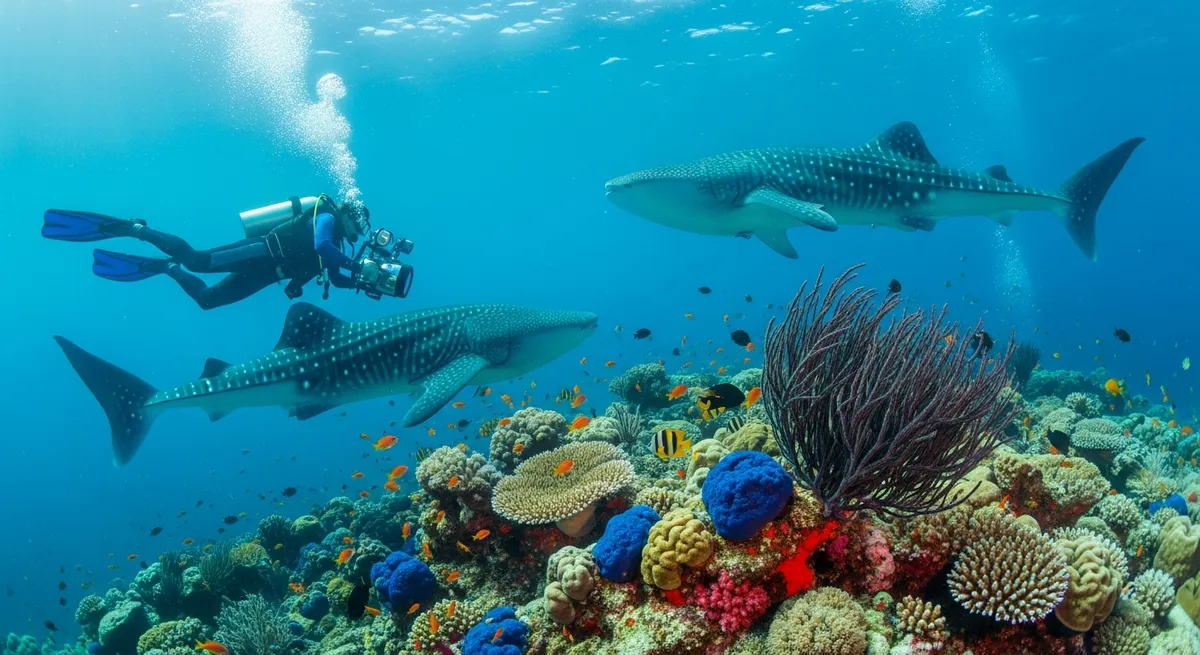
Koh Tao: Thailand's Reef Restoration & Dive Education Hub
Koh Tao, renowned as a global dive training mecca, champions marine conservation through its robust dive education programs. Divers engage in active reef restoration, artificial reef projects, and vital data collection, making it a cornerstone for nurturing responsible ocean stewards.
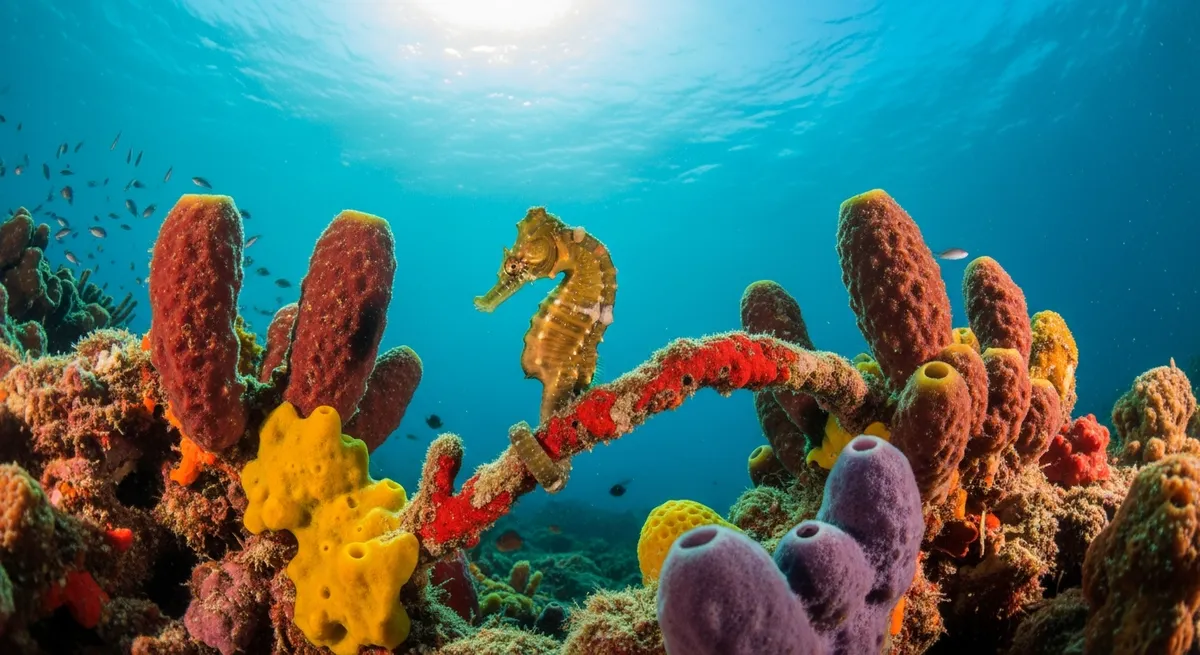
Bonaire West Coast: Pioneering Marine Park Dives
Bonaire's West Coast leads global marine conservation efforts as part of its pioneering National Marine Park. Strict rules like mandatory mooring buoys protect its vibrant reefs, offering divers a pristine example of successful ecosystem stewardship.
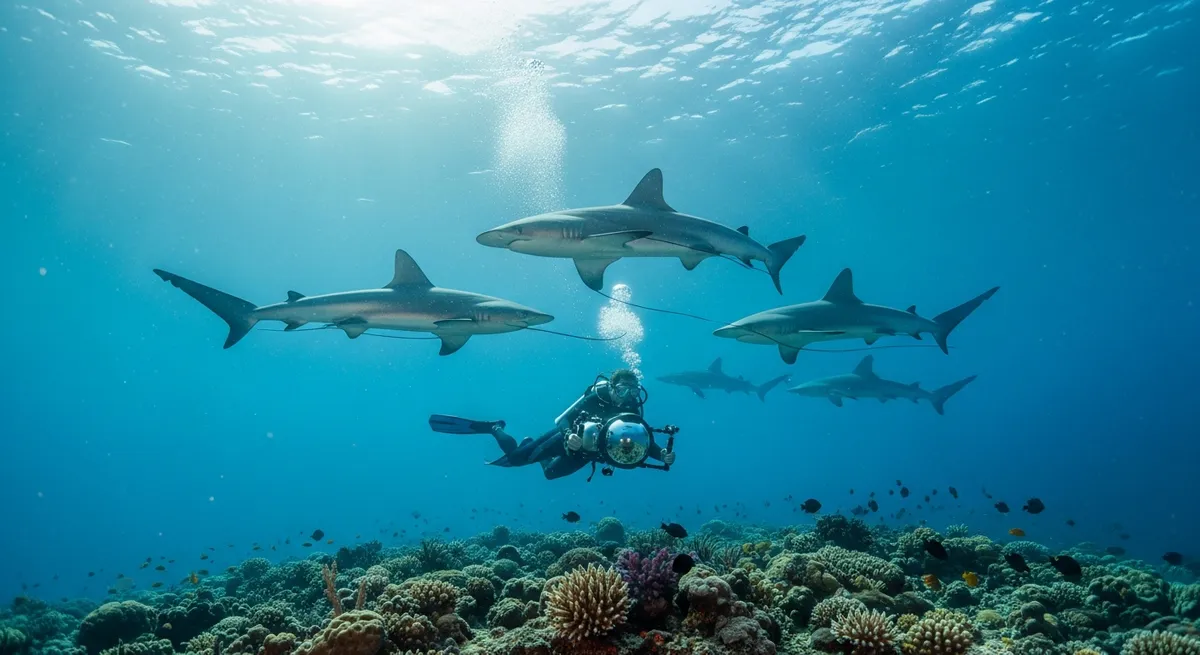
Malapascua: Thresher Shark Conservation Diving
Malapascua offers unique thresher shark encounters at Monad Shoal, a vital MPA. Witness and support crucial conservation efforts safeguarding these vulnerable sharks and their cleaning stations, making every dive a direct contribution.
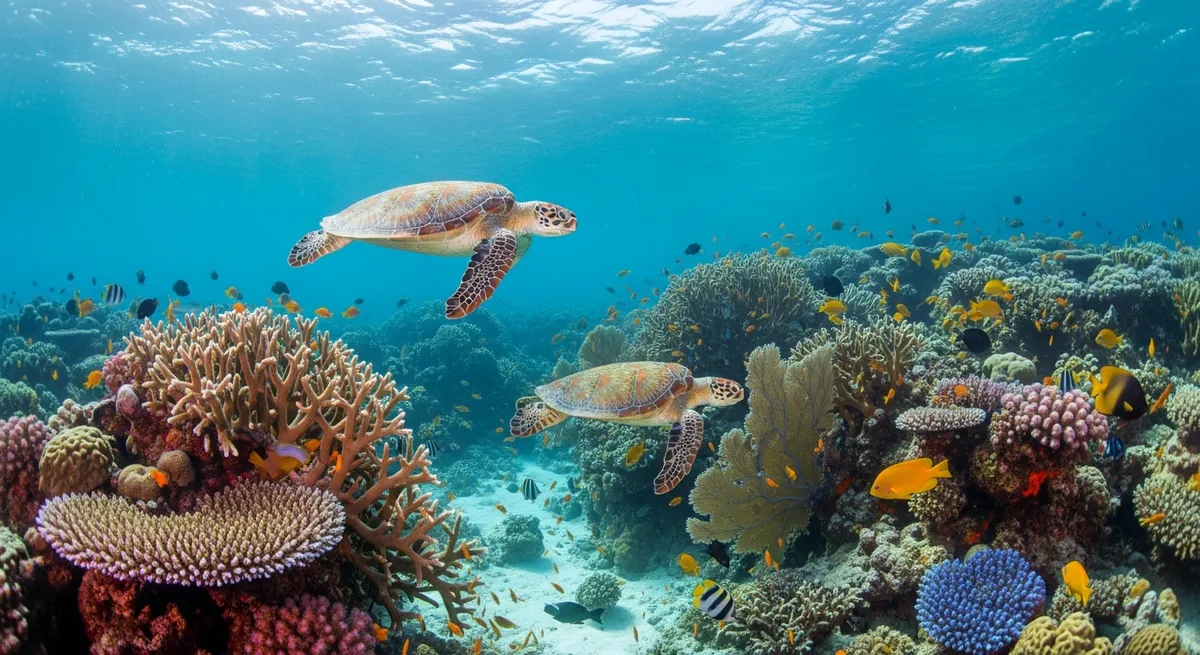
Florida Keys: Pioneering Reef Restoration & Sanctuary Diving
The Florida Keys is home to America's only living coral barrier reef and a vital National Marine Sanctuary. Dive into active coral restoration projects, participate in lionfish removal, and explore protected wrecks that serve as artificial reefs, directly contributing to marine health.
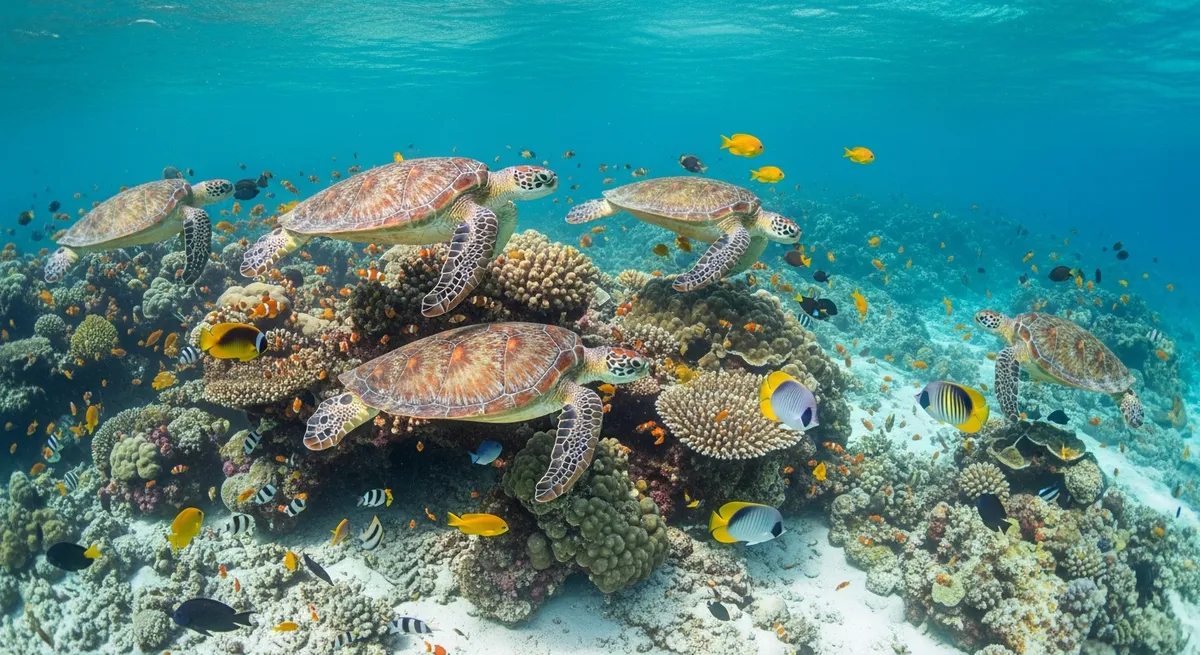
Lombok & Gili Islands: Pioneering Reef & Turtle Conservation
The Gili Islands are renowned for active turtle conservation and coral restoration programs. Dive alongside resident turtles and participate in hands-on projects rebuilding vital reefs, making every dive an act of preservation.
Frequently Asked Questions
How can scuba divers help with marine conservation?
Divers contribute through citizen science reef surveys (Reef Check, PADI AWARE), coral restoration gardening, shark photo-ID research, marine debris cleanups, and simply by supporting marine protected areas economically. The data collected by trained volunteer divers is used in real scientific research and informs marine park management decisions worldwide.
Do I need special training for conservation diving?
Most programmes provide all necessary training as part of the experience. Reef Check surveys require a one-day training course. Coral restoration programmes teach transplanting techniques on-site. Photo-ID and tagging projects train participants in data collection methods. A basic Open Water certification is the only prerequisite for most programmes.
What is the best conservation diving destination?
The <a href="/region/indian-ocean-east-africa/maldives">Maldives</a> and <a href="/region/southeast-asia/indonesia">Indonesia</a> lead in coral restoration programmes. Fiji's Shark Reef Marine Reserve pioneered shark conservation through dive tourism. The Galápagos Marine Reserve combines world-class diving with one of the most comprehensive marine science programmes on Earth. <a href="/region/central-america/belize">Belize</a>'s reef system supports numerous citizen science initiatives along the world's second-largest barrier reef.
What is the typical cost range for a marine conservation diving trip?
Conservation diving trips vary widely in cost, typically ranging from a few hundred dollars for short, local citizen science weekends to several thousand dollars for multi-week international expeditions. These costs usually cover accommodation, food, diving, project training, and sometimes conservation fees, but rarely include international flights.
When is the best time of year to participate in marine conservation diving projects?
The ideal time largely depends on the project's location and specific conservation goals, often coinciding with local dive seasons to ensure good conditions and marine life presence. Some projects, like coral spawning events, are highly seasonal, so it's best to research specific project dates or contact the program directly.
What kind of hands-on conservation tasks will I typically perform during these trips?
You'll engage in a variety of activities such as conducting underwater reef surveys, assisting with coral restoration by transplanting fragments, or monitoring specific species like sharks or turtles. Tasks often include data collection using underwater slates, identifying marine organisms, and maintaining project sites.
Are there any specific equipment considerations for marine conservation diving?
Beyond your standard recreational gear, consider bringing an underwater slate or waterproof notebook for data recording, a dive computer with logbook functionality, and potentially thicker wetsuits for longer bottom times. Some projects may provide specialized tools, but sturdy gloves and a dive knife are always useful for general safety and cleanup tasks.
How does a marine conservation diving experience differ from a standard recreational diving holiday?
Unlike purely recreational trips, conservation diving has a distinct purpose beyond exploration, involving structured daily activities focused on research, restoration, or monitoring. You'll gain new skills, contribute directly to scientific data, and often share a more profound, educational experience with like-minded individuals, turning your dives into meaningful contributions.