Diving with Whale Sharks
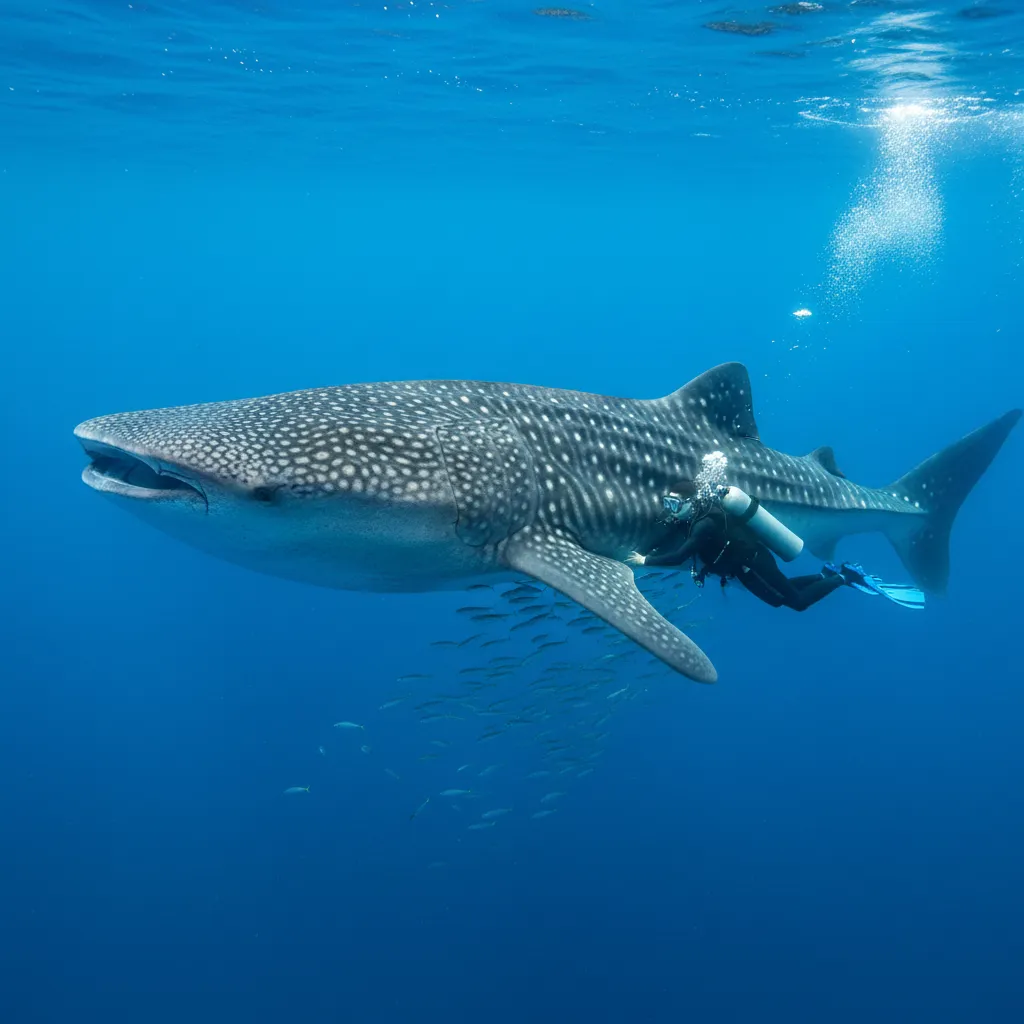
Swimming alongside the world's largest fish is an experience that redefines your understanding of the ocean. Whale sharks can reach over 12 metres in length, yet these gentle filter feeders are completely harmless to divers. Encounters typically happen near the surface as they cruise slowly through plankton-rich waters, giving snorkellers and divers alike the chance to glide beside them. The sight of their distinctive spotted pattern disappearing into the blue is something no diver ever forgets.
Where to Dive with Whale Sharks
Found across 43 countries, based on 4,154 verified observation records.

Mozambique
2 areas
Honduras
2 areas
Maldives
6 areas

Egypt
7 areas

Thailand
3 areas

South Africa
3 areas

Indonesia
7 areas

Ecuador
2 areas
+ 35 more countries
Best Time to See Whale Sharks
Whale shark seasons vary dramatically by location. The Maldives has two seasons: the south atolls from January to April and the north from May to November. Mexico's Isla Holbox and Isla Mujeres peak from June to September. The Philippines' Oslob has year-round sightings (though this site is controversial due to feeding practices). Ningaloo Reef in Western Australia is best from March to July. Mozambique peaks from October to March. Always research the specific destination's season before booking.
How to Dive with Whale Sharks
Most whale shark encounters happen while snorkelling or freediving rather than scuba diving, since the sharks tend to feed at the surface. When you do encounter them on scuba, maintain neutral buoyancy and stay at least 3 metres away. Never touch or chase a whale shark - let it come to you. An Open Water certification is sufficient for most whale shark trips, though some deeper encounters at cleaning stations may require Advanced Open Water. Many operators run dedicated whale shark snorkel trips with a guide who spots from the boat.
Is it Safe to Swim with Whale Sharks?
Whale sharks are completely harmless to humans. They are filter feeders that consume plankton, fish eggs, and small fish - they have no interest in anything as large as a human. The main safety concerns are boat traffic (always stay aware of vessels) and accidental contact with their powerful tail. Keep a respectful distance of at least 3 metres and never position yourself directly in front of or behind the shark. Follow your guide's instructions and local regulations, which exist to protect both you and the sharks.
Conservation Status
Whale sharks are classified as Endangered by the IUCN. Their populations have declined significantly due to fishing (both targeted and bycatch), boat strikes, and habitat degradation. Many countries now protect whale sharks, and responsible tourism has become a vital economic incentive for their conservation. When choosing a whale shark tour, select operators who follow established codes of conduct - limiting the number of swimmers in the water, maintaining safe distances, and never using flash photography.
Species Profile

Recommended Equipment
For surface encounters, you need only a mask, snorkel, and fins. Freediving fins work best as they allow you to keep pace without excessive splashing. A rash guard or thin wetsuit provides sun protection during long surface swims. If scuba diving, standard tropical gear is appropriate - 3mm wetsuit, BCD, and a compact camera setup. Avoid dangling accessories that could entangle or disturb the animal. A GoPro or action camera on a short pole is ideal for footage.
Browse dive equipmentFrequently Asked Questions
Where can you swim with whale sharks?
The best places to swim with whale sharks include Ningaloo Reef (Australia), Isla Holbox (Mexico), Oslob (Philippines), South Ari Atoll (Maldives), Mafia Island (Tanzania), Donsol (Philippines), and Tofo Beach (Mozambique). Each location has different peak seasons.
Is it safe to swim with whale sharks?
Yes, swimming with whale sharks is very safe. They are gentle filter feeders that eat plankton and pose no threat to humans. The main risks come from boat traffic and accidentally being hit by their tail. Always maintain a 3-metre distance and follow your guide's instructions.
What is the best time of year to see whale sharks?
It depends on the location. Mexico: June–September. Australia (Ningaloo): March–July. Maldives: year-round with peaks in the south atolls January–April. Philippines (Donsol): November–June. Mozambique: October–March.
Do you need to be a certified diver to swim with whale sharks?
No, most whale shark encounters are done while snorkelling at the surface. You just need to be a confident swimmer. Some locations offer scuba encounters at cleaning stations, which require at least an Open Water certification.
How big do whale sharks get?
Whale sharks are the largest fish in the ocean, reaching up to 12-18 metres (40-60 feet) in length and weighing up to 20 tonnes. Most individuals encountered by divers are between 4-10 metres long.
More Encounter Guides
Manta Rays
Manta rays are the ocean's most graceful giants. With wingspans reaching over 7 metres, these intell...
Great White Sharks
Coming face to face with a great white shark is the ultimate adrenaline rush for adventure divers. T...
Hammerhead Sharks
Seeing a school of hammerhead sharks is one of scuba diving's most iconic experiences. These prehist...
Sea Turtles
Sea turtles are among the most beloved creatures in the ocean, and for good reason. Watching a green...
Bull Sharks
Bull sharks are diving's most exhilarating close encounter. Known for their stocky build and bold te...
Tiger Sharks
Tiger sharks are the ocean's ultimate generalists - large, powerful, and supremely confident. Reachi...