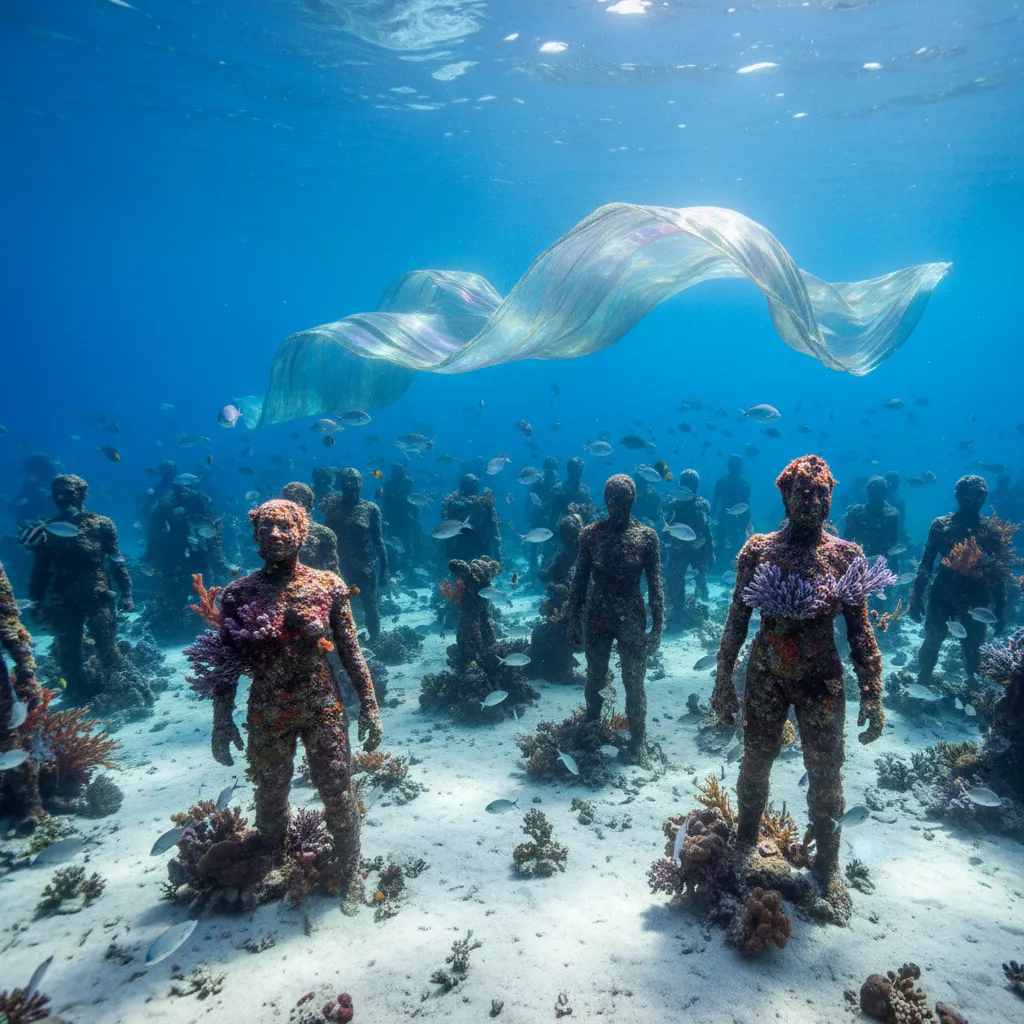
Underwater Museums & Art Installations
Where art meets the ocean, something extraordinary happens. Underwater museums and sculptural installations are a growing global phenomenon that combines artistic expression with marine conservation, creating artificial reef structures that attract marine life while offering divers a cultural experience unlike any other. From life-size human figures colonised by coral to submerged galleries accessible only by scuba, these installations challenge our perception of both art and ocean.
12 destinations in this collection
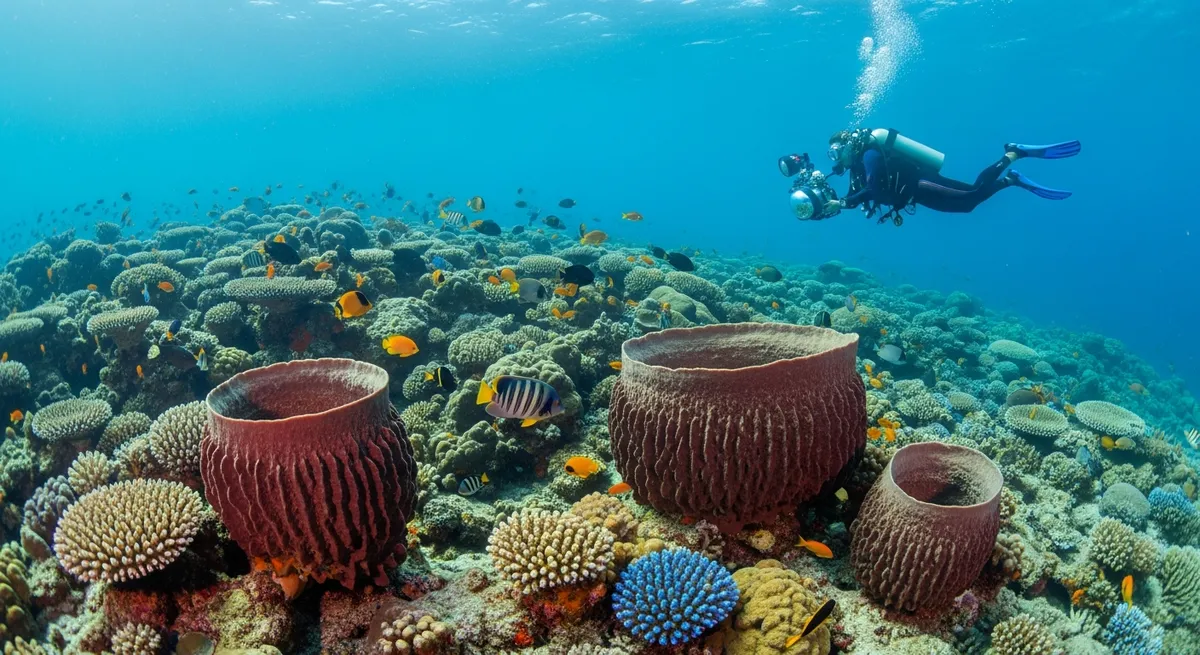

The world's largest underwater museum with 500+ sculptures across two galleries - a living fusion of art and marine conservation.
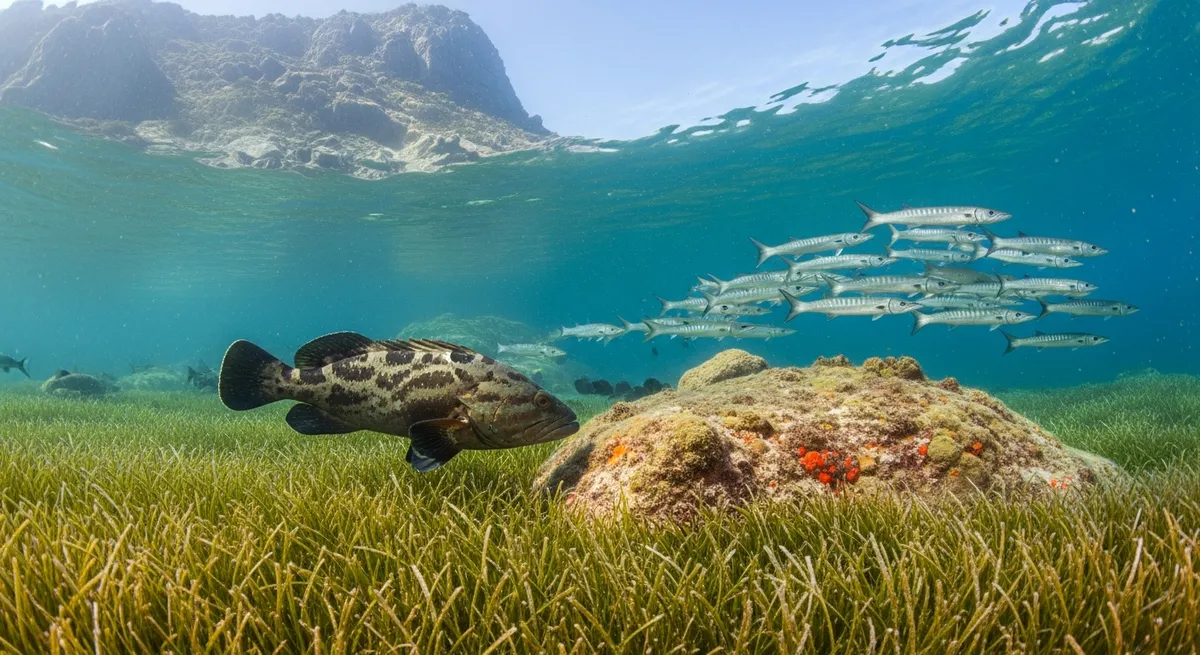
Europe's first underwater museum by Jason deCaires Taylor, with haunting sculptures at 12 metres in volcanic Atlantic waters.
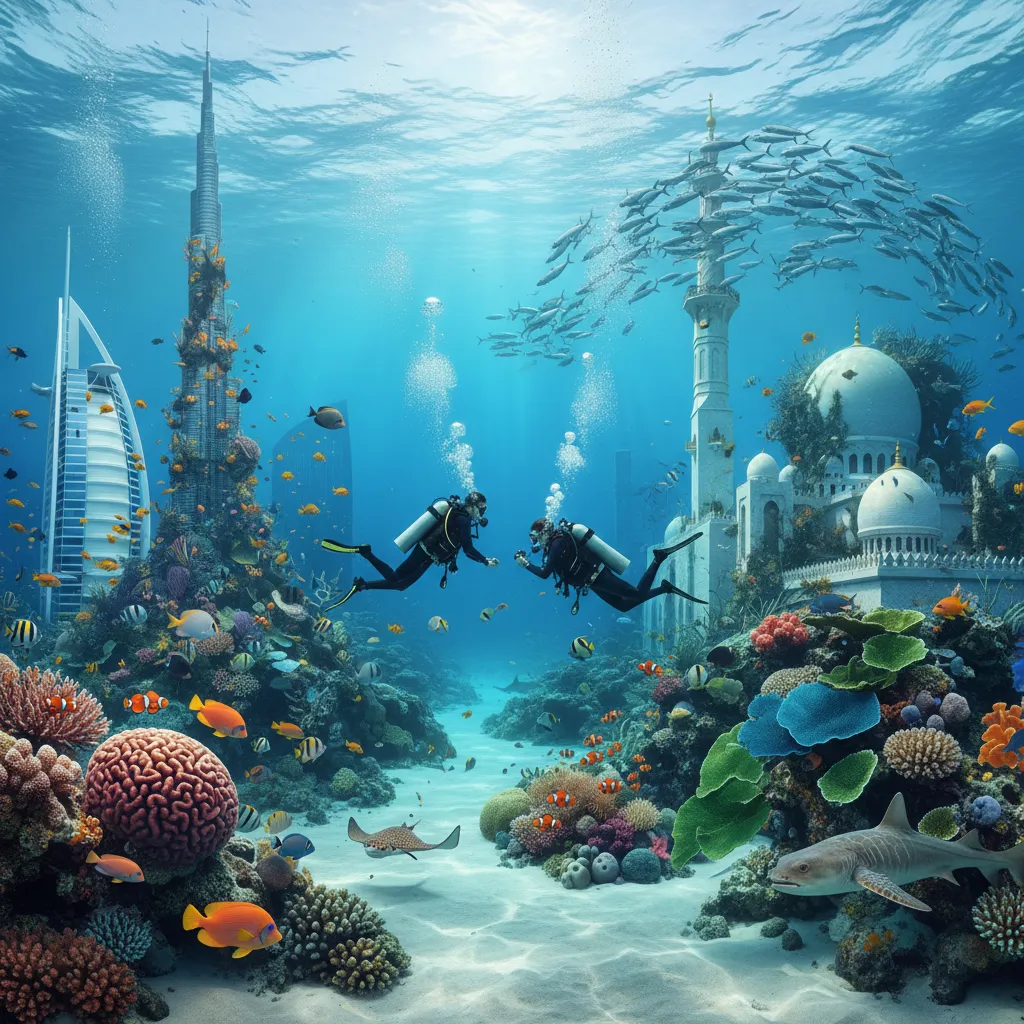
Dubai Underwater Museum, UAE
United Arab Emirates
Submerged art installations in the warm Persian Gulf, combining contemporary sculpture with artificial reef creation.
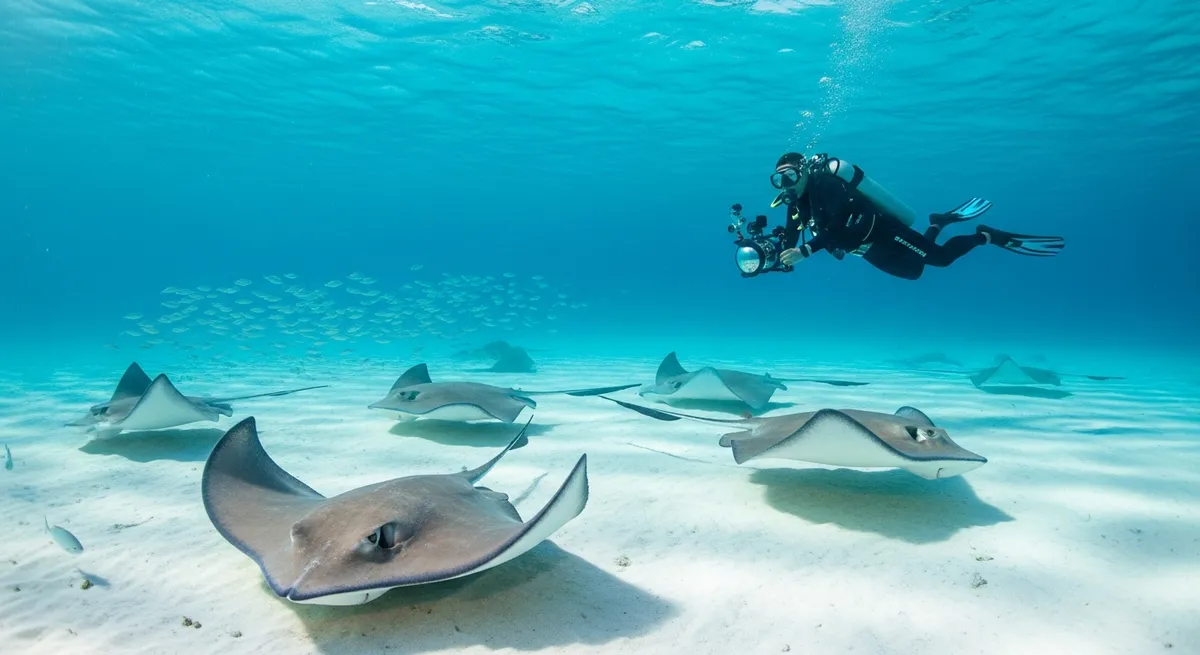
Cayman Underwater Art, Grand Cayman
Cayman Islands
Sculptural installations in the crystal-clear Caribbean designed to attract marine life and divers alike.
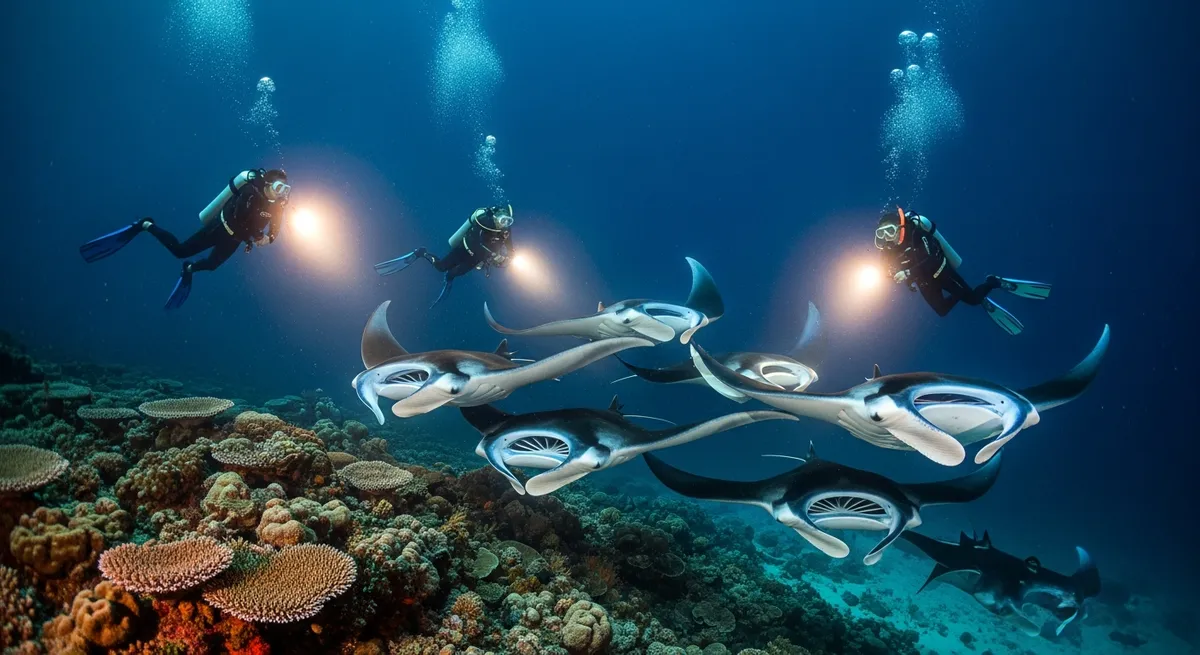
Hawaii Artificial Reefs, USA
United States
Purpose-built reef structures including decommissioned vessels and sculptural elements supporting Hawaii's marine ecosystem.
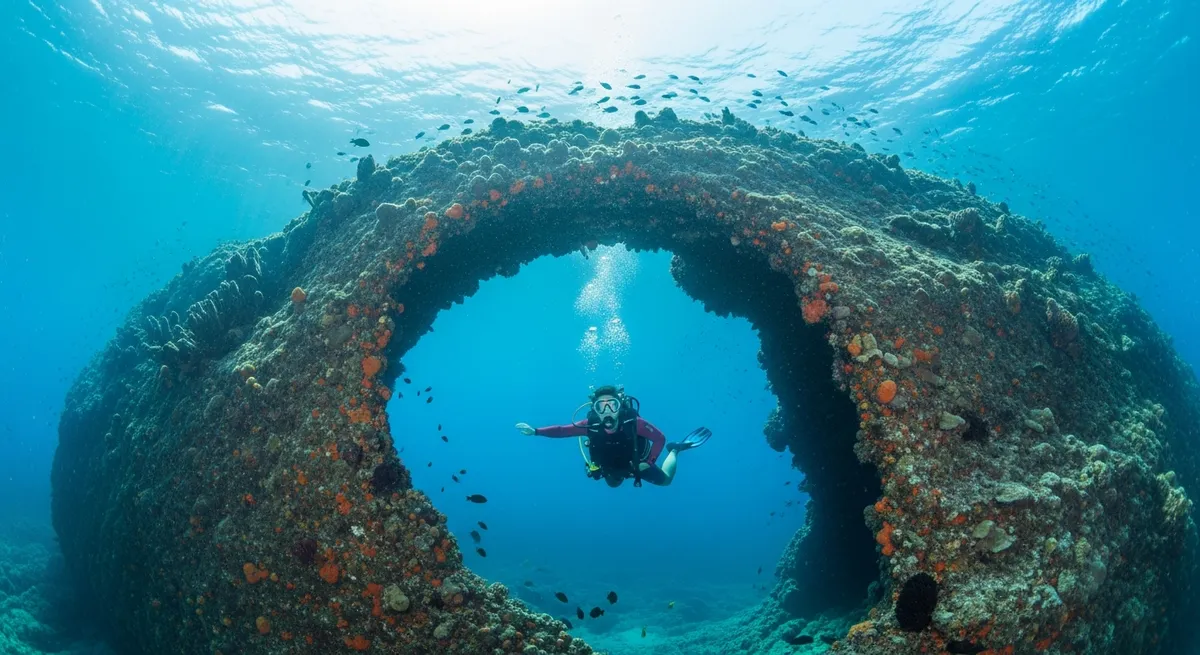

Deliberately scuttled vessels creating underwater galleries of maritime history colonised by Mediterranean marine life.
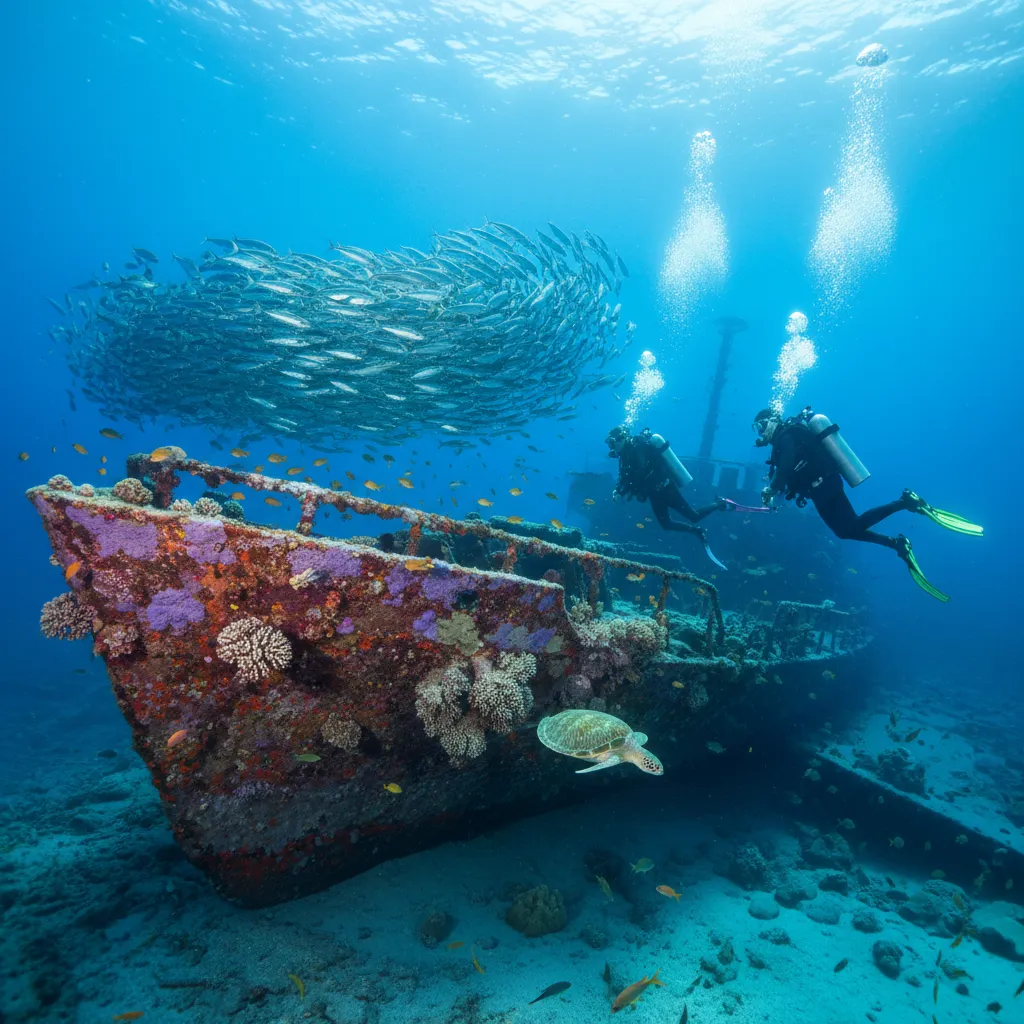

Larnaca offers an unparalleled dive experience at MUSAN, the Museum of Underwater Sculpture Ayia Napa. Designed by renowned artist Jason deCaires Taylor, this extensive and evolving park blends stunning art with vital marine conservation. Divers can explore dozens of submerged sculptures, witnessing art become an artificial reef and a living ecosystem.
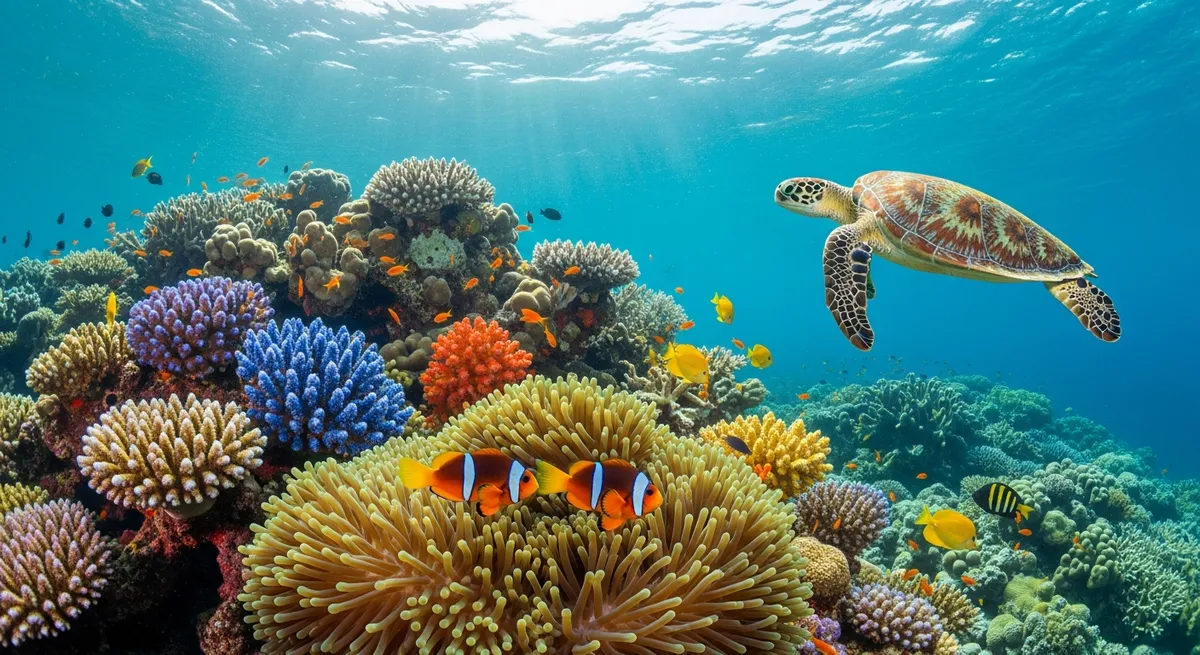

Dive into the Great Barrier Reef to experience the Museum of Underwater Art (MOUA), a visionary project by Jason deCaires Taylor. These submerged sculptures double as artificial reefs, promoting marine life and inspiring crucial conversations about reef conservation. It's a breathtaking fusion of art, science, and advocacy within a global natural wonder.
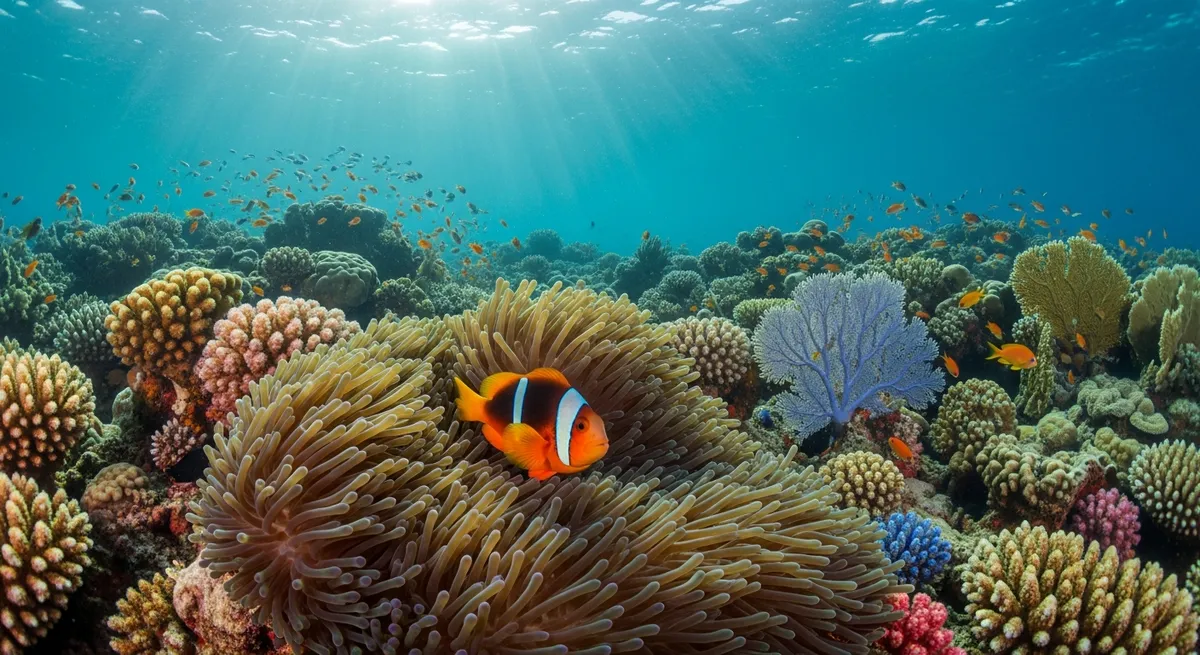

Explore Aqaba Marine Park's truly unique Underwater Military Museum, where tanks, an anti-aircraft gun, and a helicopter form an extraordinary submerged exhibition. Deliberately sunk, these impressive military vehicles have become thriving artificial reefs, offering divers an unparalleled blend of history, artistry, and vibrant marine life.
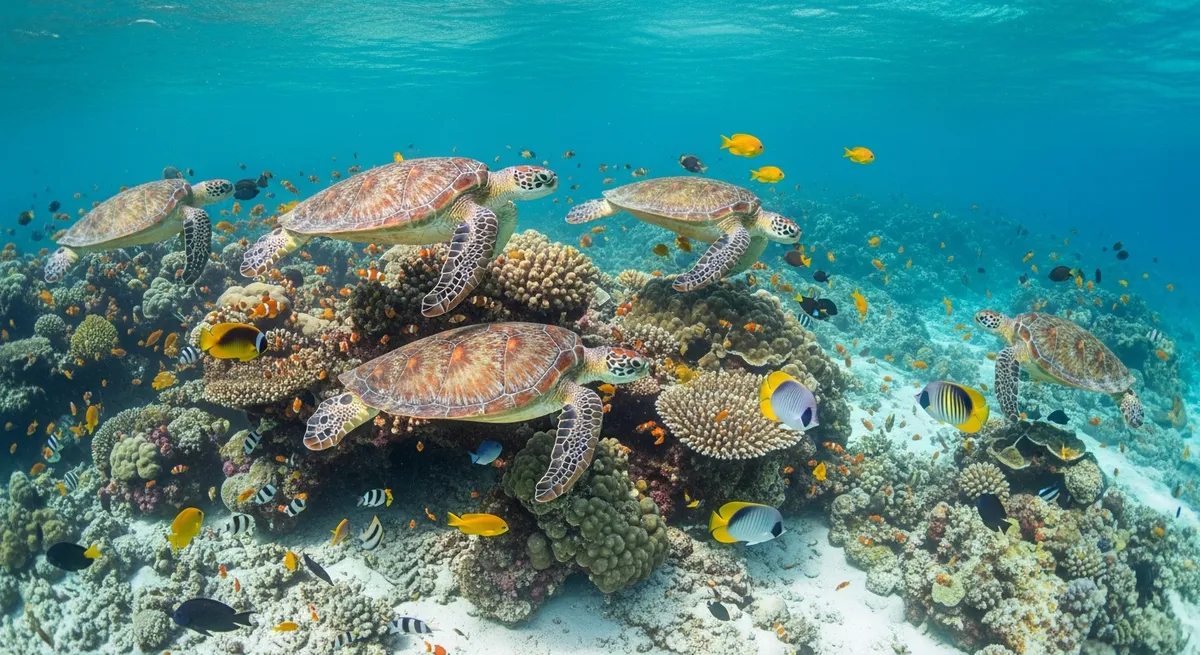

Plunge into Gili Meno's vibrant waters to explore 'Nest,' Jason deCaires Taylor's iconic artificial reef. This mesmerizing installation of 48 life-size figures serves as a living museum, continually evolving with marine life. It's a poignant testament to art's power in marine conservation, offering an unparalleled artistic dive experience.
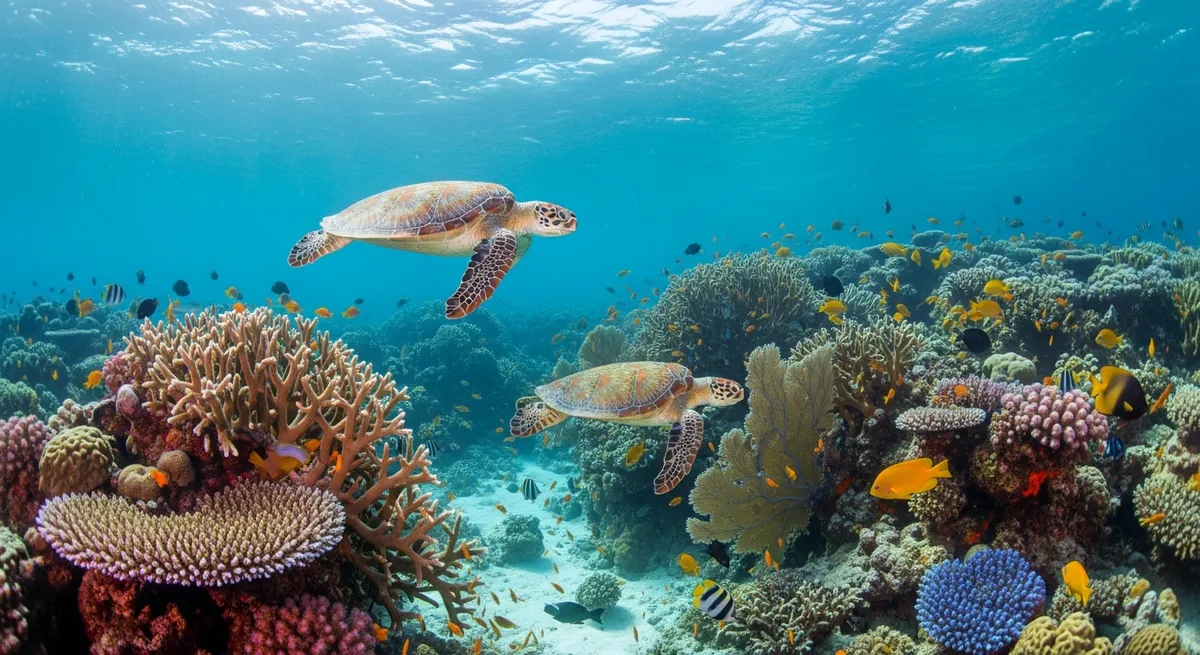
Florida Keys: Submerged Art & Reef Restoration
United States
The Florida Keys offers a world-class experience for underwater art enthusiasts, featuring the iconic 'Christ of the Deep' statue. Beyond this famous landmark, explore a multitude of artistic reef installations and sculptures that double as vital marine habitats, blending artistic expression with ecological conservation.

Dive into history at Portofino & Liguria, home to the original 'Christ of the Abyss'. This iconic bronze statue, submerged since 1954, stands as a profound memorial and one of the world's first true underwater art installations. It offers a unique blend of heritage and spiritual diving experience, making it a cornerstone for any underwater art collection.
About This Collection
Art That Becomes Reef
The best underwater art installations are designed with marine biology in mind. Sculptures are cast from pH-neutral marine cement that encourages coral recruitment and algae growth. Within months of installation, the art begins to transform - sponges colonise facial features, schools of fish take shelter among sculpted limbs, and coral polyps slowly claim every surface. The result is a living collaboration between human creativity and ocean biology that changes with every visit.
The Pioneers
British sculptor Jason deCaires Taylor pioneered the underwater sculpture movement with installations in Grenada (2006), Cancún (2009), and Lanzarote (2016). His Museo Atlántico in Lanzarote is Europe's first underwater museum. The MUSA (Museo Subacuático de Arte) in Cancún contains over 500 sculptures across two galleries and has become one of the most visited dive sites in the Mexican Caribbean, successfully diverting diver traffic away from natural reefs that were suffering from overuse.