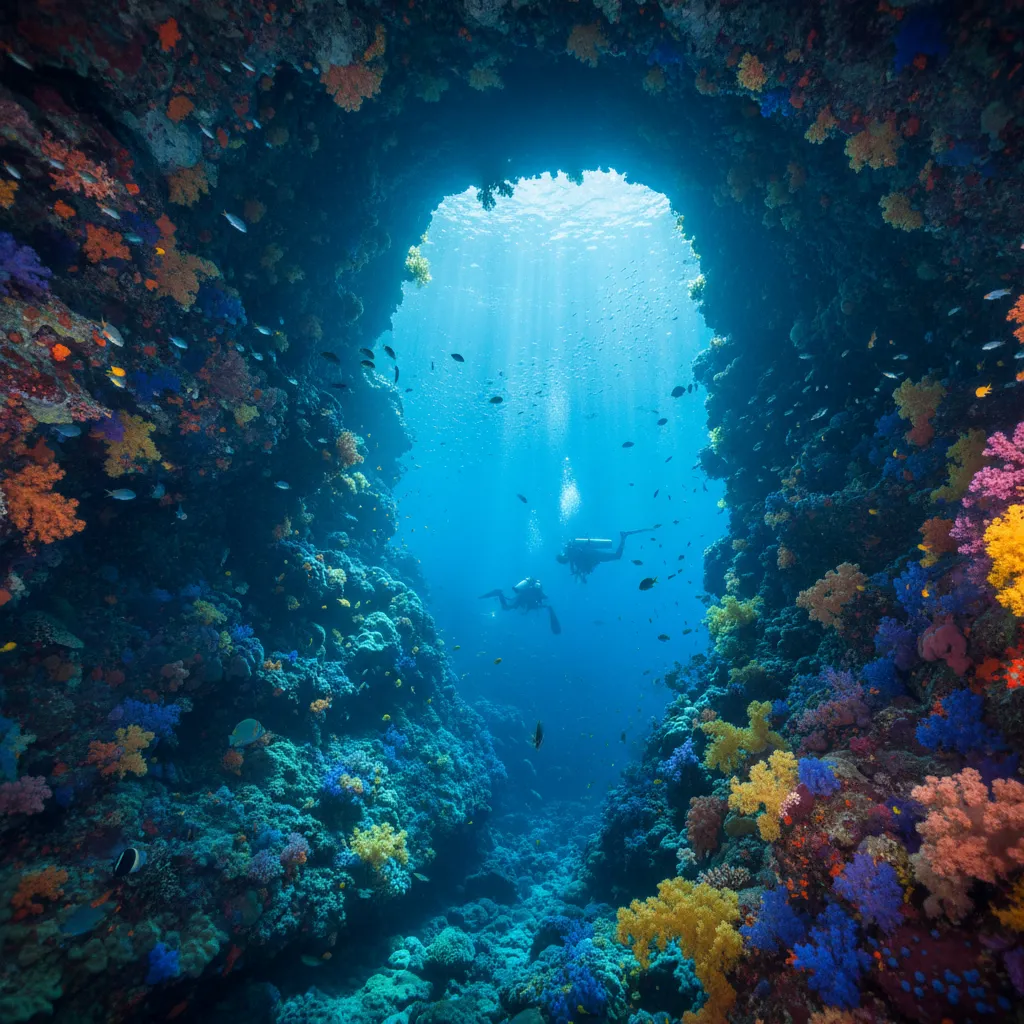
10 Underwater Natural Wonders
The ocean holds natural wonders that rival anything on land - and most people will never see them. From the Great Blue Hole's ancient stalactites to the bioluminescent bays that glow with otherworldly light, these underwater marvels are geological and biological phenomena of global significance. Each one tells a story millions of years in the making, and experiencing them firsthand is a privilege that puts the scale and mystery of our planet into vivid, humbling perspective.
12 destinations in this collection
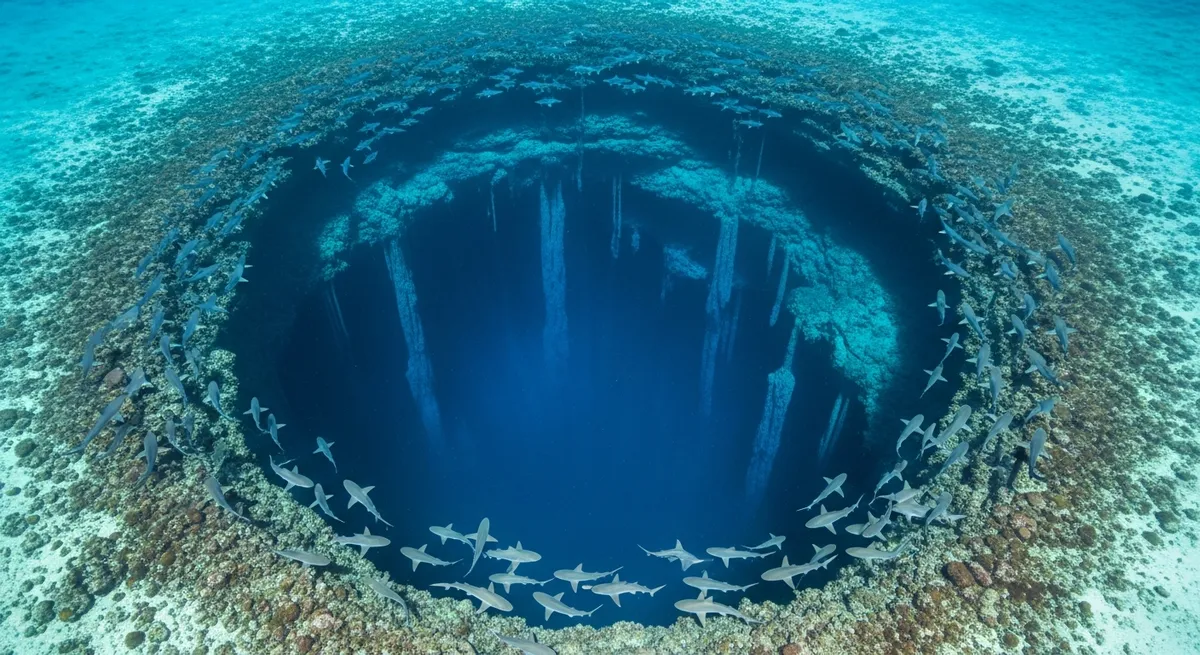
Great Blue Hole, Belize
Belize
A 300-metre-wide, 125-metre-deep sinkhole with ancient stalactites - one of the most iconic dive sites on Earth, visible from space.
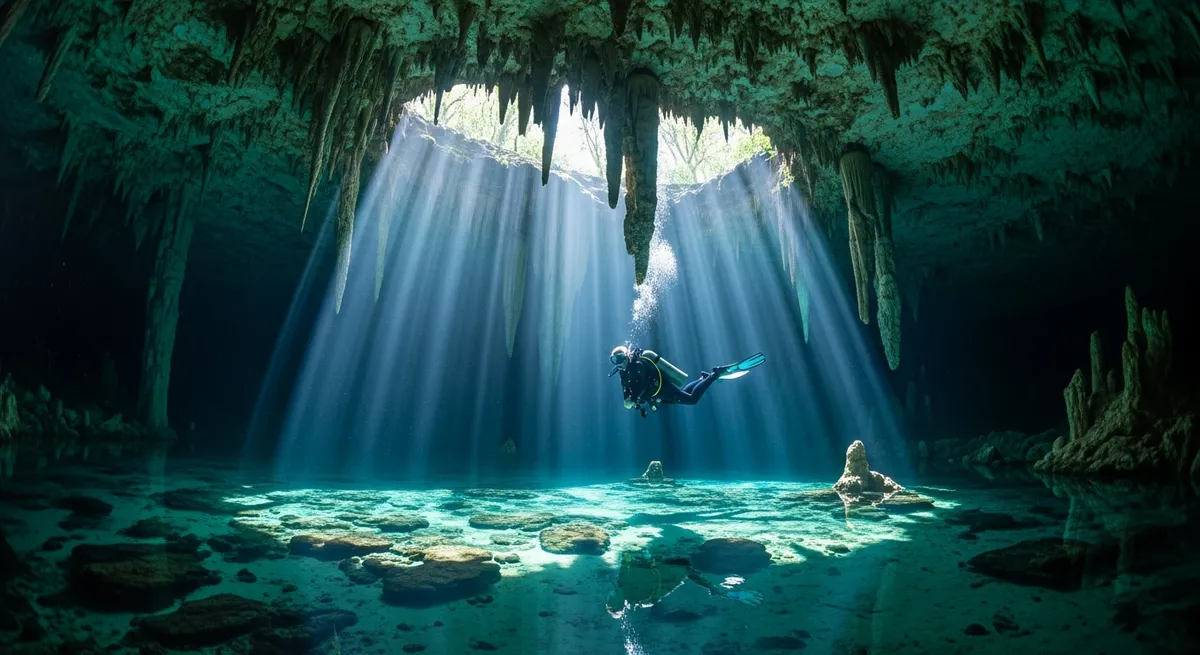
Yucatán Cenotes, Mexico
Mexico
Crystal-clear freshwater sinkholes opening into the world's longest underwater cave systems, with light beams piercing the darkness.
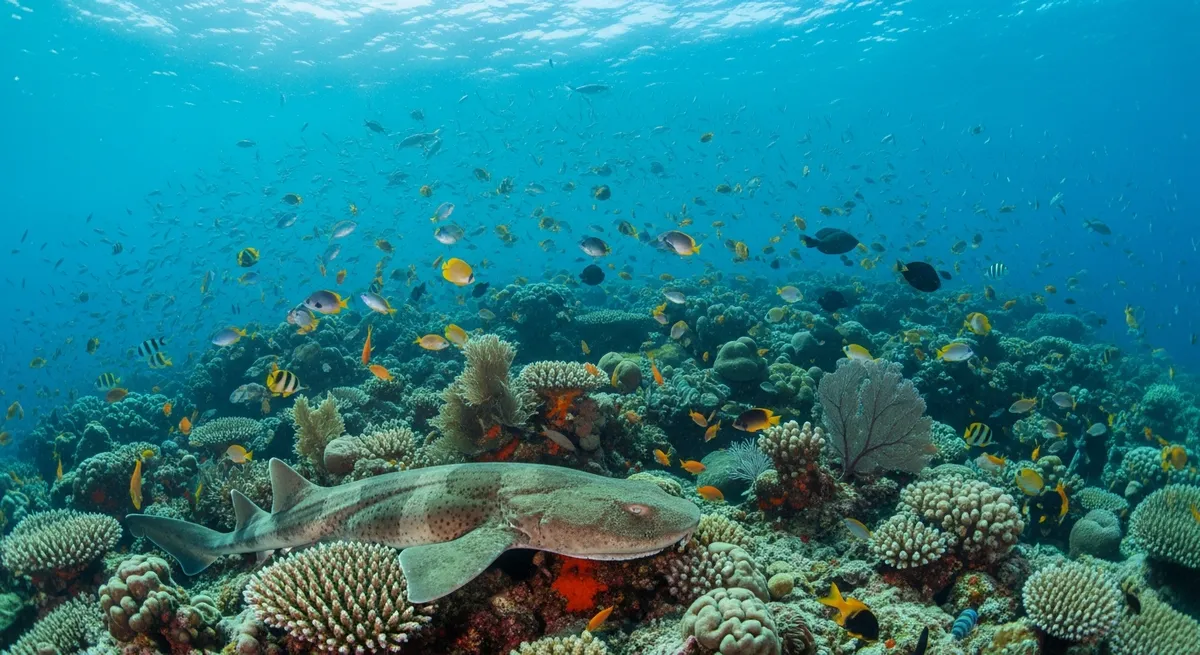
Raja Ampat Coral Gardens, Indonesia
Indonesia
The highest marine biodiversity on Earth - more coral species per hectare than the entire Caribbean combined.
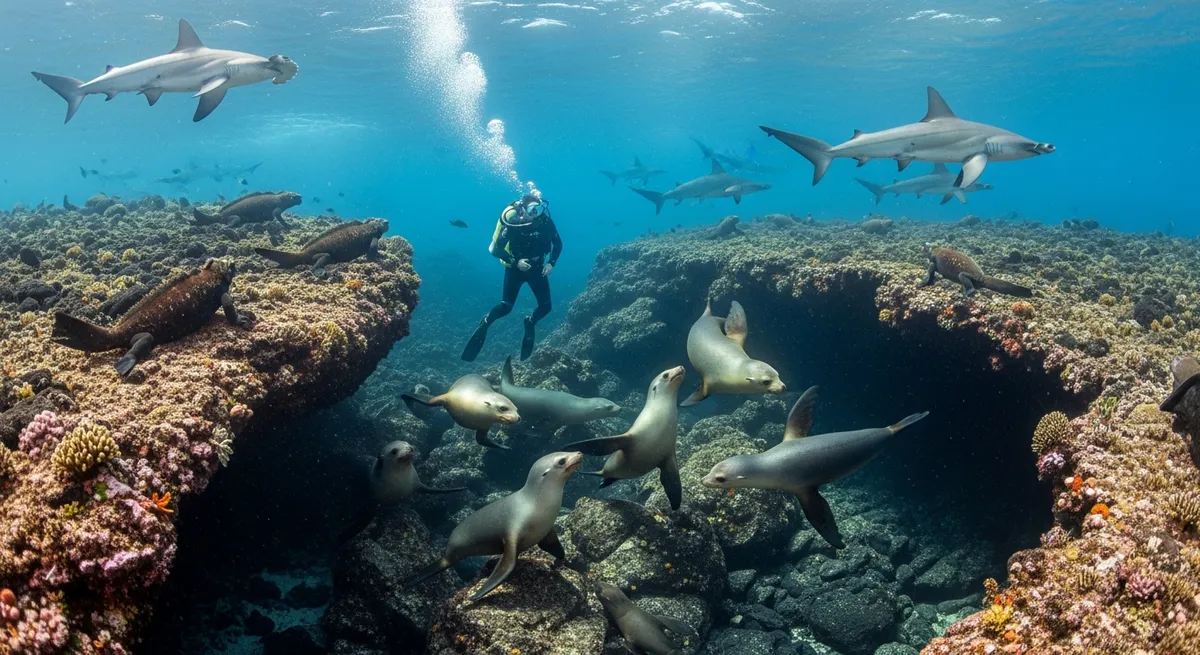
Underwater volcanic formations where cold and warm currents collide, creating a unique ecosystem found nowhere else.
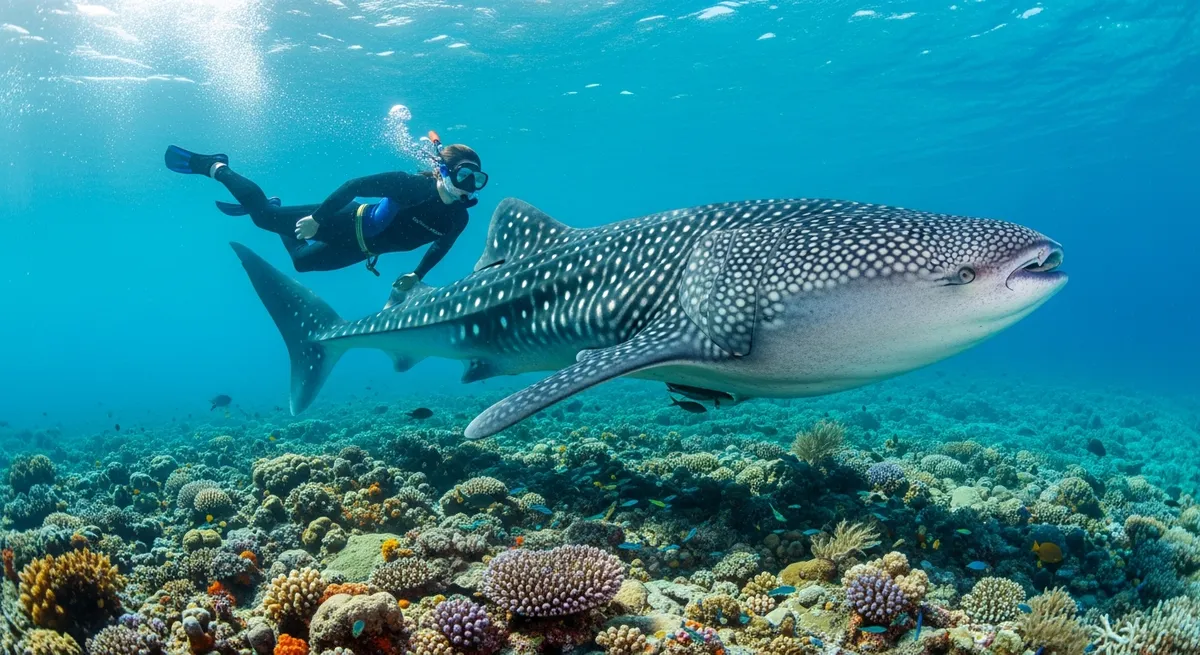
Ningaloo Reef, Australia
Australia
The world's largest fringing reef - 300 kilometres of pristine coral accessible directly from the shore, with annual whale shark migrations.
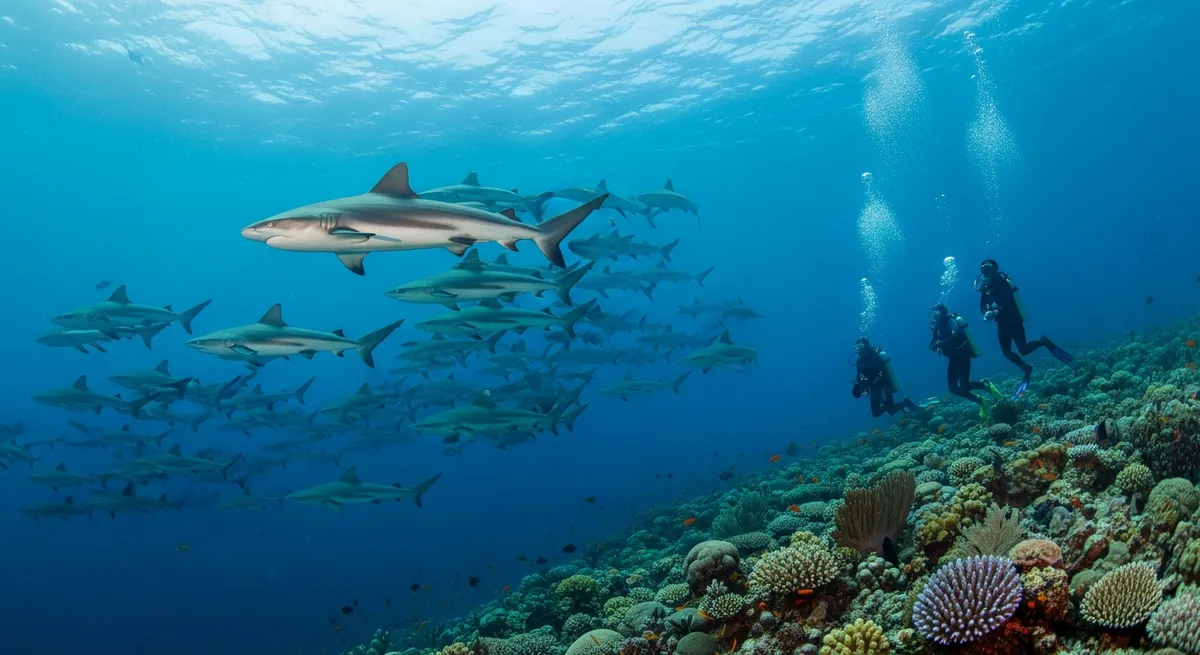
Fakarava Shark Wall, French Polynesia
French Polynesia
A narrow atoll pass where 700+ grey reef sharks gather in the largest known shark aggregation - a natural wonder of animal behaviour.
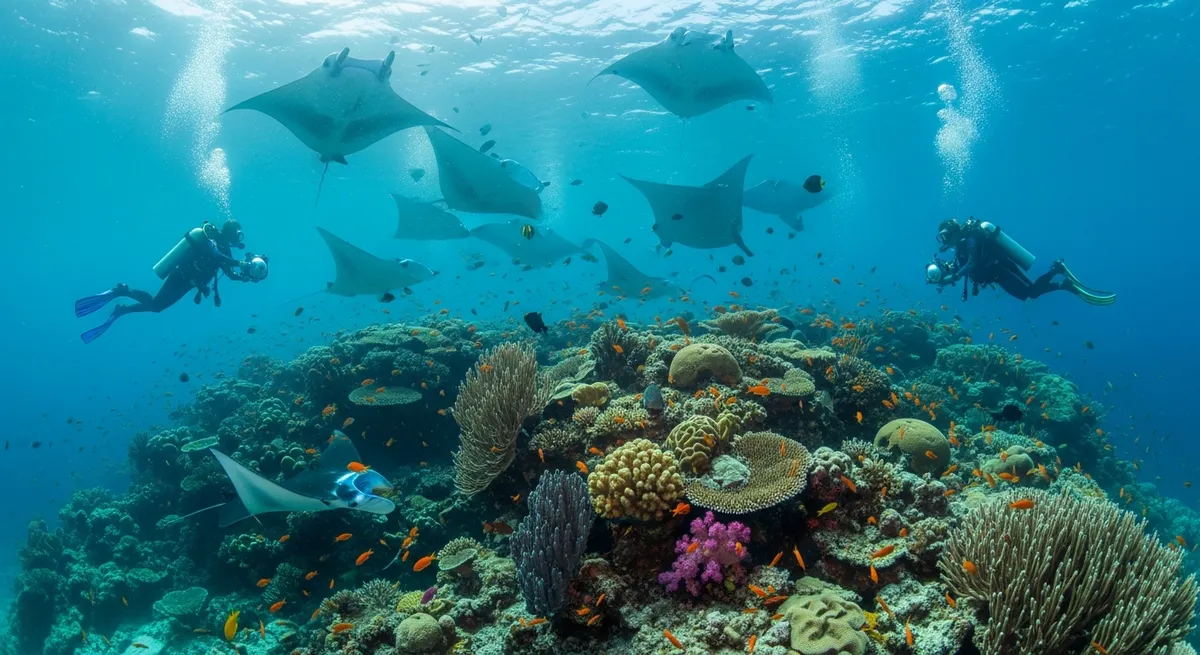
One of the world's largest barrier reefs encircling Kadavu Island, with pristine coral formations and exceptional soft coral diversity.
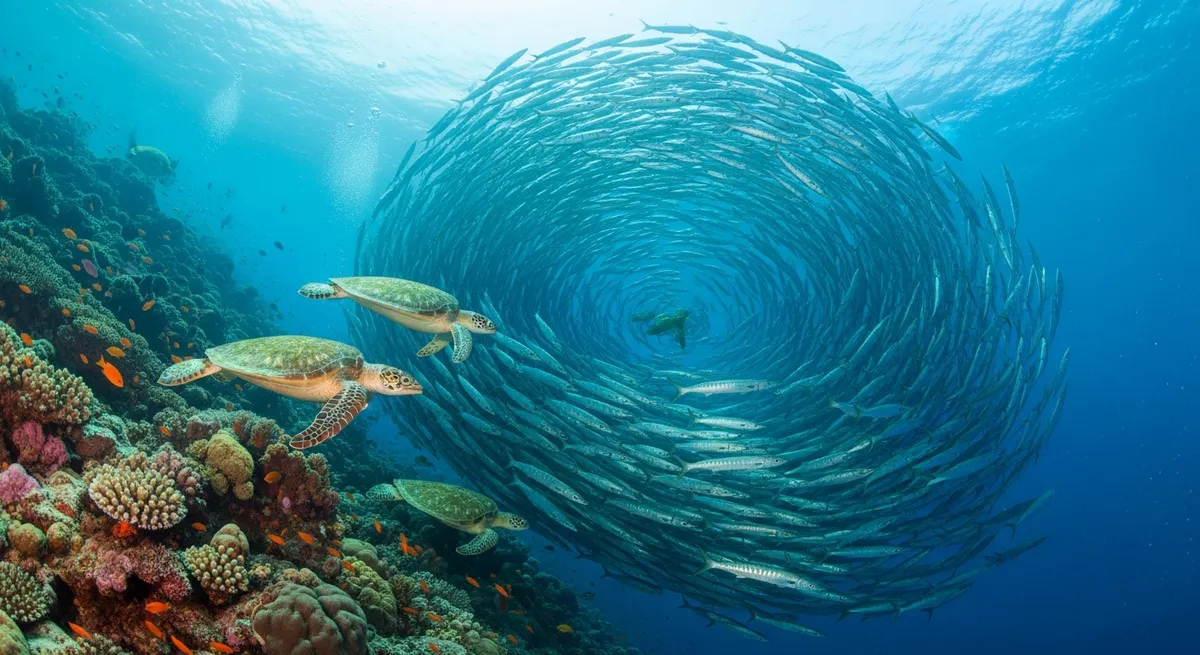
Sipadan: Vortex of Marine Life
Malaysia
Sipadan is a true underwater natural wonder, an oceanic island boasting unparalleled biodiversity. Witness incredible massive schools of barracuda and jacks swirling in breathtaking tornadoes, alongside graceful sea turtles navigating vibrant, pristine coral walls. This site offers an immersive experience into a thriving marine ecosystem, making it a must-visit for observing nature's grand spectacle.
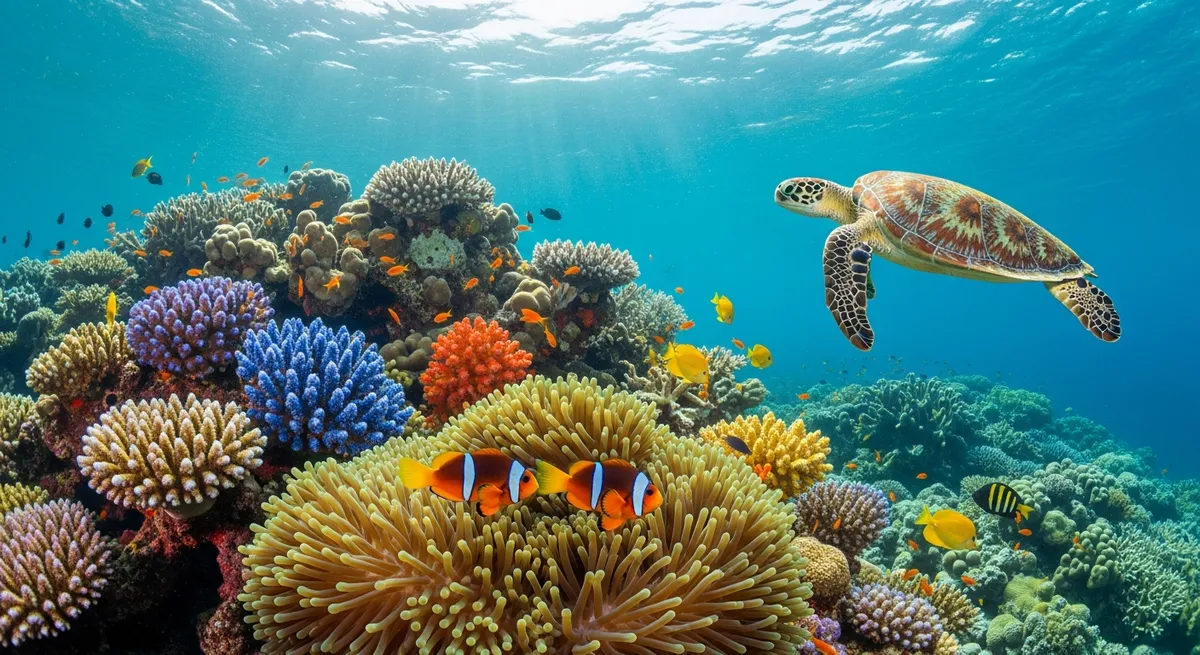
Experience the world's largest coral reef system, an underwater marvel so vast it's visible from space. This unparalleled natural wonder boasts breathtaking scale and an astonishing diversity of marine life, from tiny reef fish to magnificent megafauna. Diving here offers an immersive journey through vibrant coral gardens, showcasing the planet's most spectacular and complex living structure.
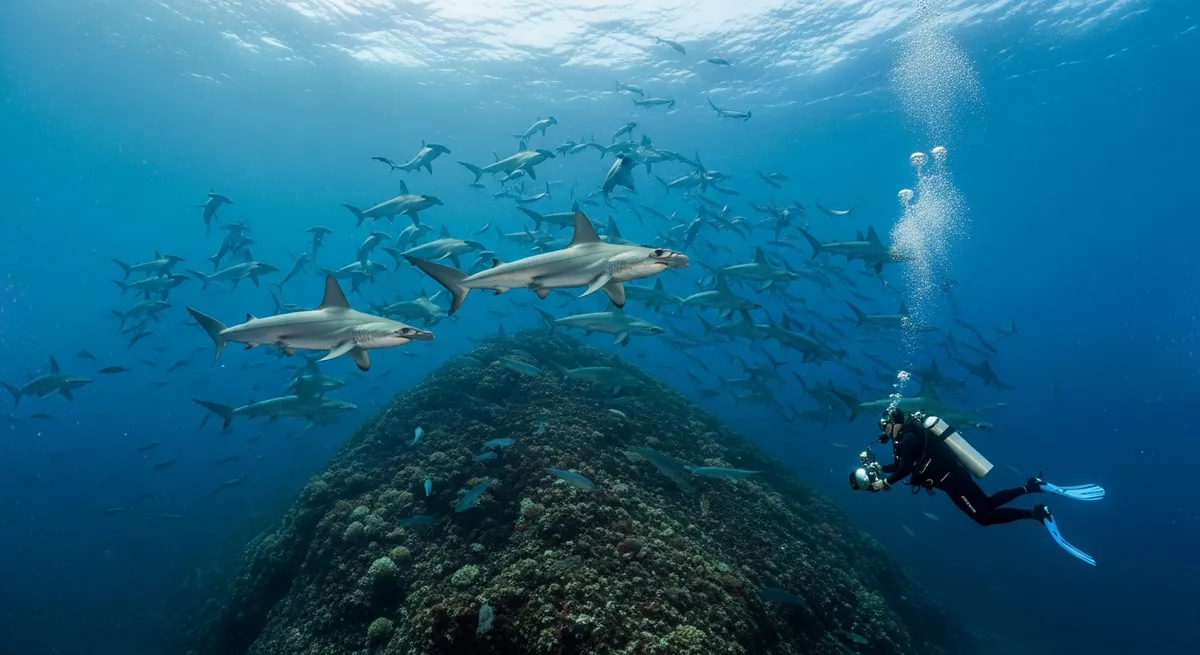
As a UNESCO World Heritage Site, Cocos Island is a pristine natural wonder, globally renowned for its spectacular congregations of schooling hammerhead sharks. Witnessing these immense schools, alongside whale sharks and other large pelagics, makes this remote volcanic island an unparalleled dive experience and a testament to vibrant marine ecosystems.
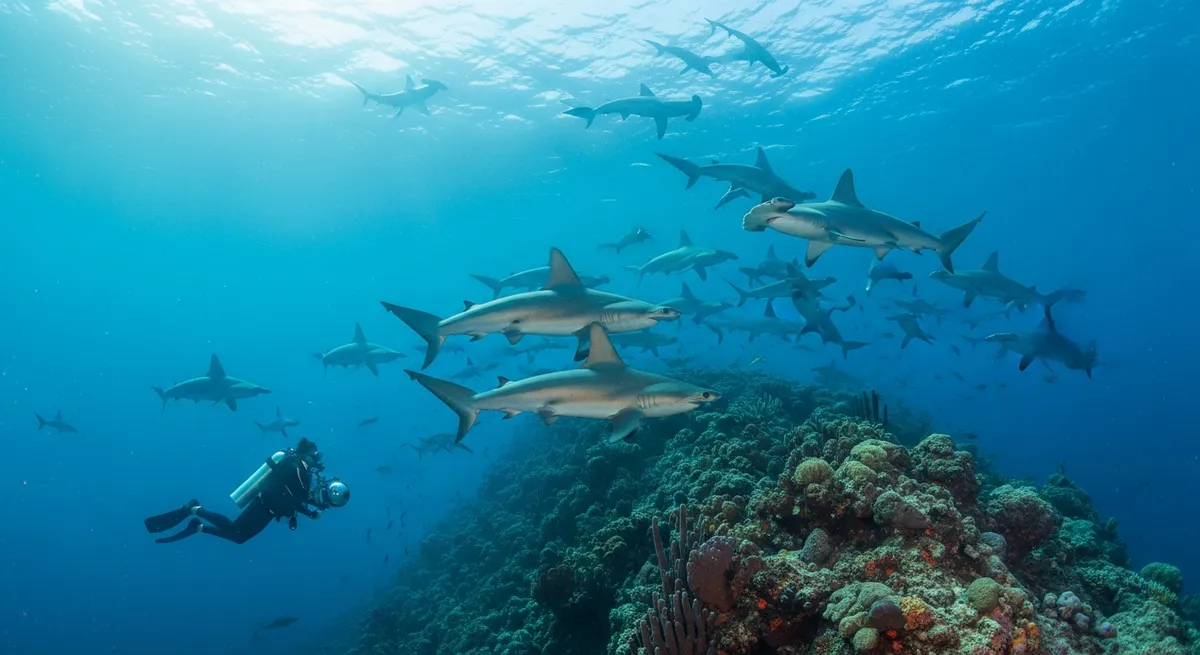

Malpelo, an isolated UNESCO oceanic rock, is a legendary shark sanctuary. Encounter breathtaking schools of hammerheads, silky sharks, and other massive pelagics, thriving in one of Earth's most pristine and protected marine ecosystems. This remote wonder offers unparalleled large animal encounters.
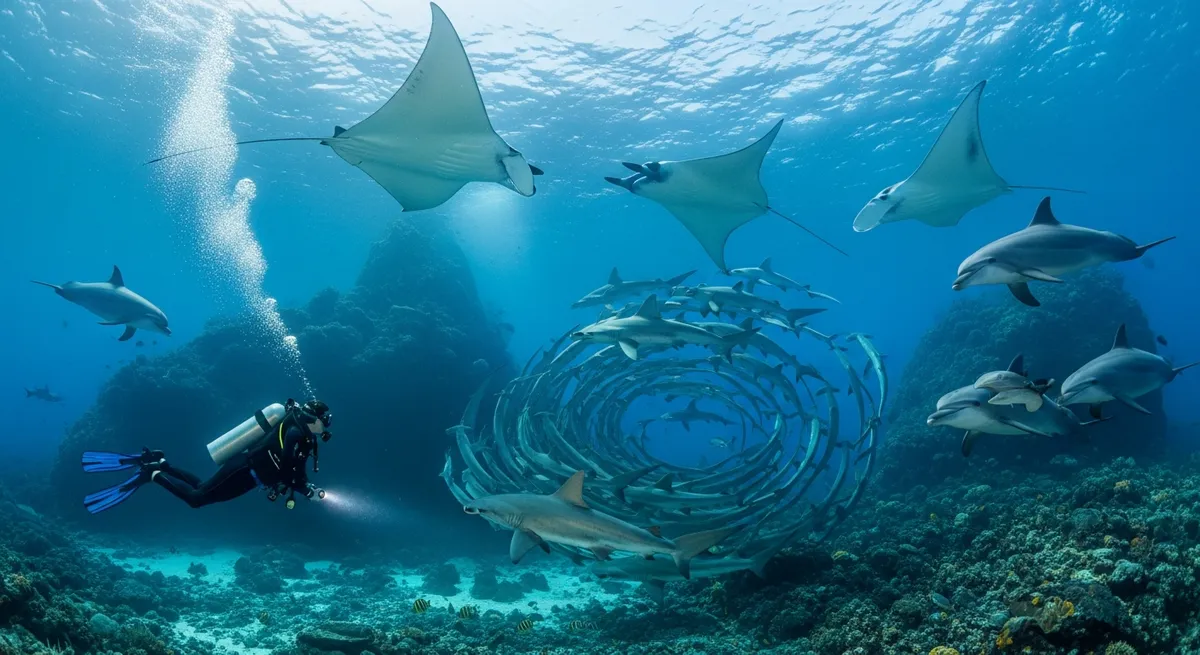
The remote Socorro Islands, part of the Revillagigedo Archipelago, offers unparalleled intimate encounters with the ocean's most magnificent creatures. Witness giant Pacific manta rays gracefully dancing, be mesmerized by vast schools of hammerheads, and play with wild dolphins in this pristine natural sanctuary. It's a true pelagic paradise.
About This Collection
Nature's Underwater Masterpieces
These are not just great dive sites - they are natural phenomena that happen to be underwater. Ancient cave systems formed when sea levels were 100 metres lower, coral atolls that took millions of years to grow, volcanic formations shaped by fire and water, and biological events so spectacular they seem impossible. Each location on this list represents the ocean at its most dramatic and awe-inspiring.
Geological Time Made Visible
Many of these wonders were created by processes spanning millennia. The cenotes of Mexico's Yucatán are windows into a cave system carved over millions of years by acidic rainwater dissolving limestone. The Great Blue Hole was a dry cave during the last ice age, its stalactites formed in open air before rising seas flooded the chamber. Volcanic calderas have become underwater gardens where hot vents sustain ecosystems independent of sunlight. Diving these sites is literally diving through geological time.