World Record Dive Sites

These are the dive sites where records have been broken, limits have been pushed, and the boundaries of human underwater exploration have been redefined. From the deepest blue holes to the sites of historic record-breaking dives, each location on this list holds a place in diving history. Whether you are drawn by the stories of human achievement or the geological extremes that made those achievements possible, these sites represent the outer limits of what the underwater world has to offer.

Where Records Are Made

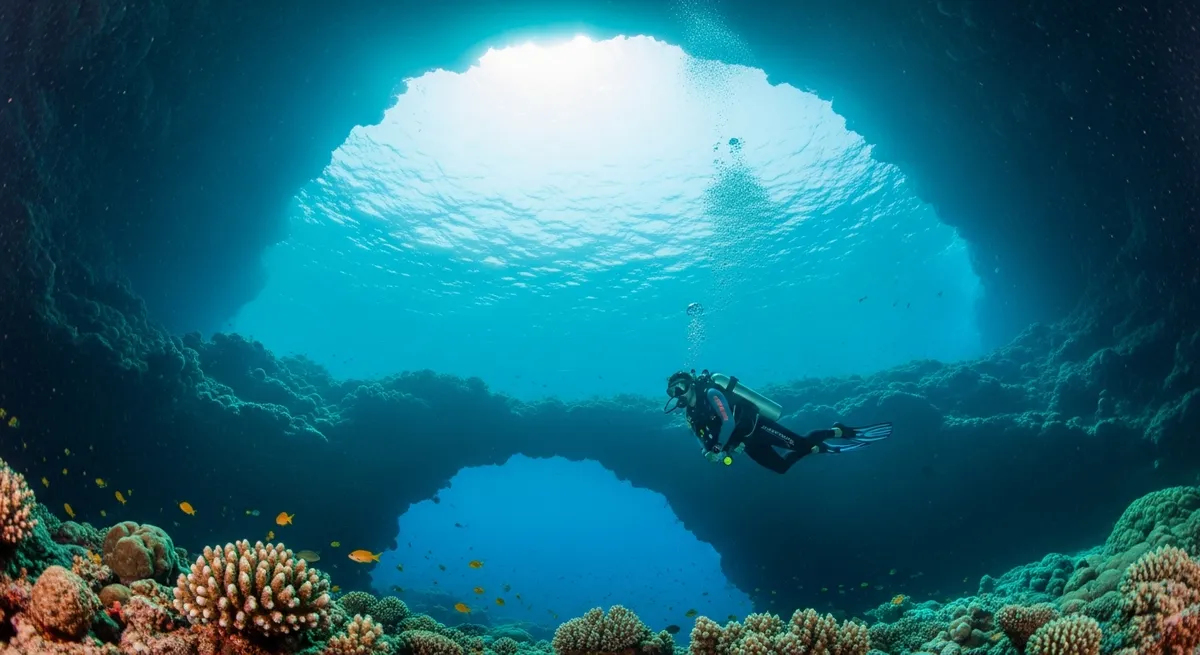
Diving records tend to cluster at specific locations for good reason. The Red Sea's Dahab Blue Hole, a vertical sinkhole plunging to over 100 metres, has been the site of numerous depth records and, tragically, many fatalities. Dean's Blue Hole in the Bahamas - the world's deepest known blue hole at 202 metres - is the spiritual home of competitive freediving. The cenotes of Mexico have produced multiple cave penetration distance records.

Visiting Record Sites as a Recreational Diver

You do not need to be a record-breaking diver to appreciate these sites. Most are accessible to recreational divers at safe depths, with the record-breaking features visible but not requiring extreme diving to enjoy. Dahab's Blue Hole is a popular recreational dive site with beautiful coral at its shallow rim. Dean's Blue Hole offers stunning snorkelling and shallow freediving. The experience of floating over a void that extends 200 metres into the darkness below you is thrilling at any depth.

12 Top Destinations

  1. Blue Hole, Dahab, Egypt

    Site of the world's deepest scuba dive record (332m) and one of diving's most iconic and storied locations.
  2. Dean's Blue Hole, Bahamas

    The world's deepest known blue hole at 202 metres - the spiritual home of competitive freediving records.
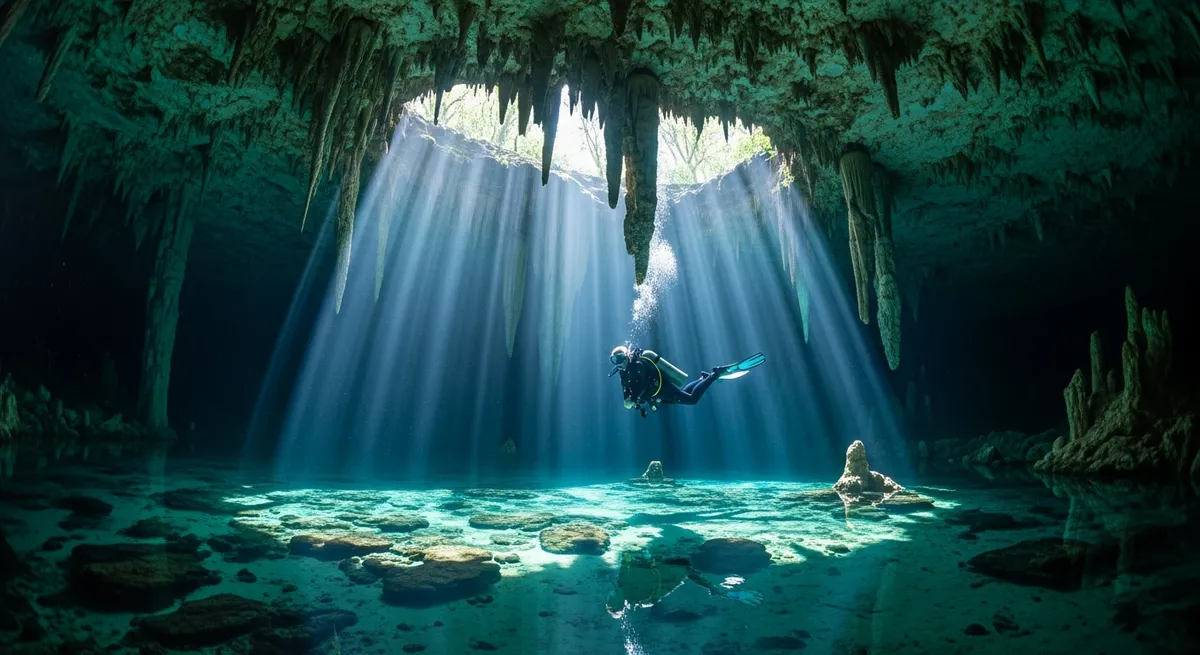

  3. Sac Actun, Yucatán, Mexico

    The world's longest underwater cave system at 380+ kilometres - the site of multiple cave penetration distance records.
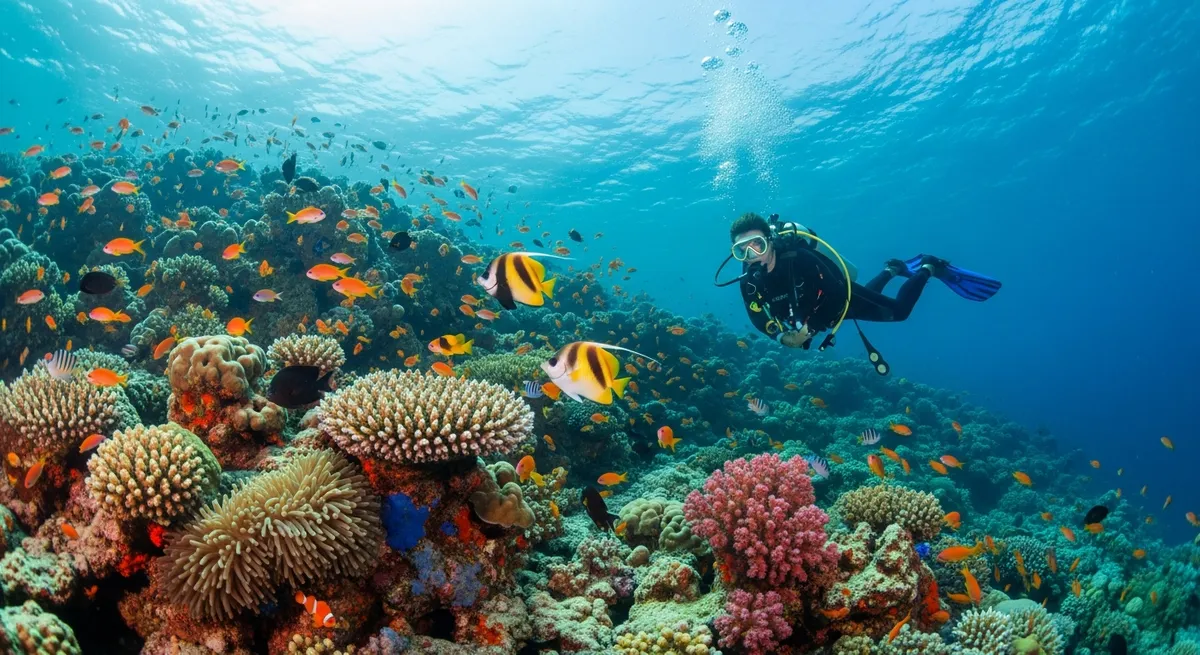
  4. SS Thistlegorm, Red Sea

    Discovered by Jacques Cousteau in 1956, it became the most dived wreck in the world and set the standard for wreck diving exploration.
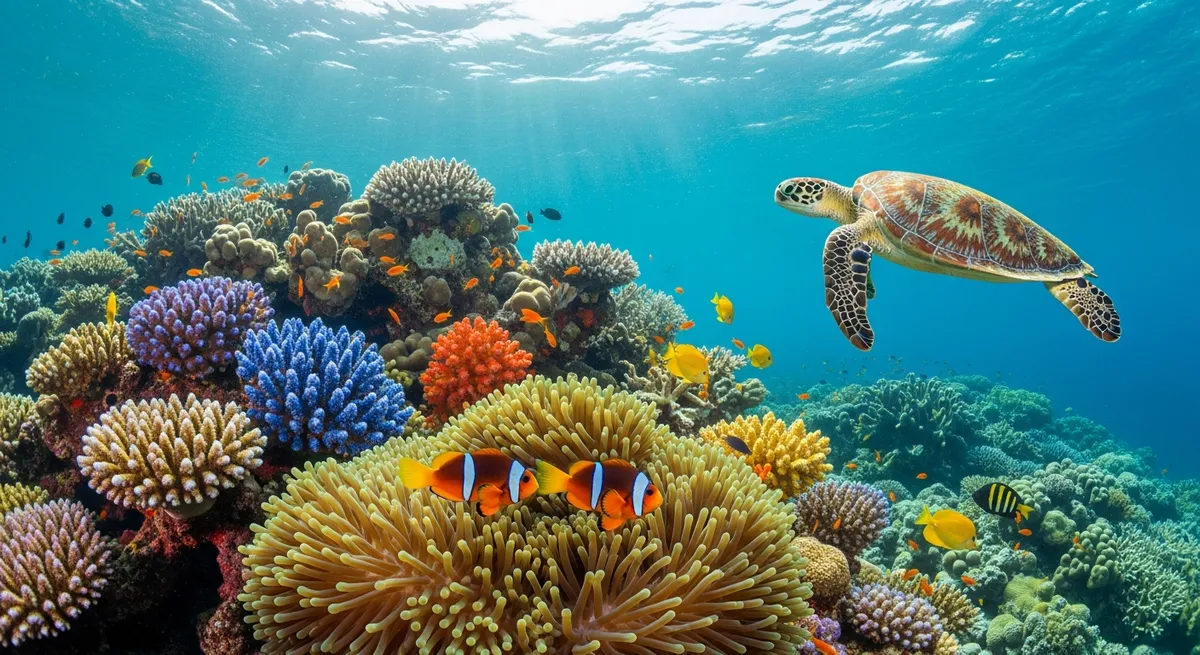
  5. Great Barrier Reef, Australia

    The largest coral reef system on Earth at 2,300km - a natural record-holder visible from space and home to 1,500+ fish species.
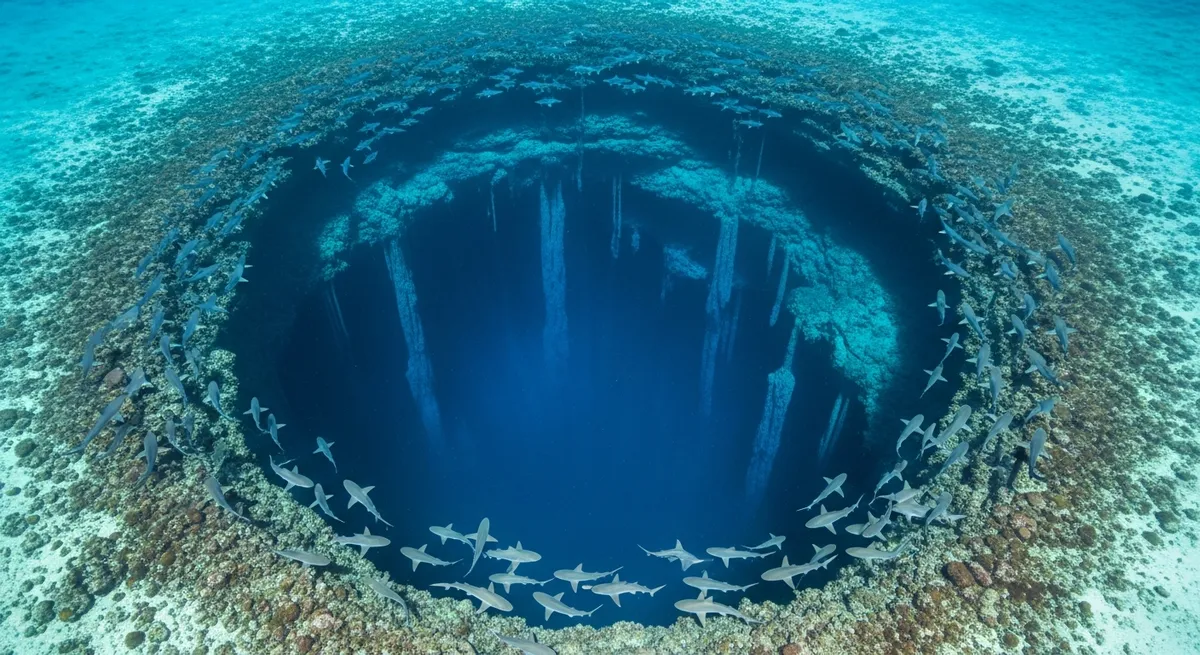
  6. Great Blue Hole, Belize

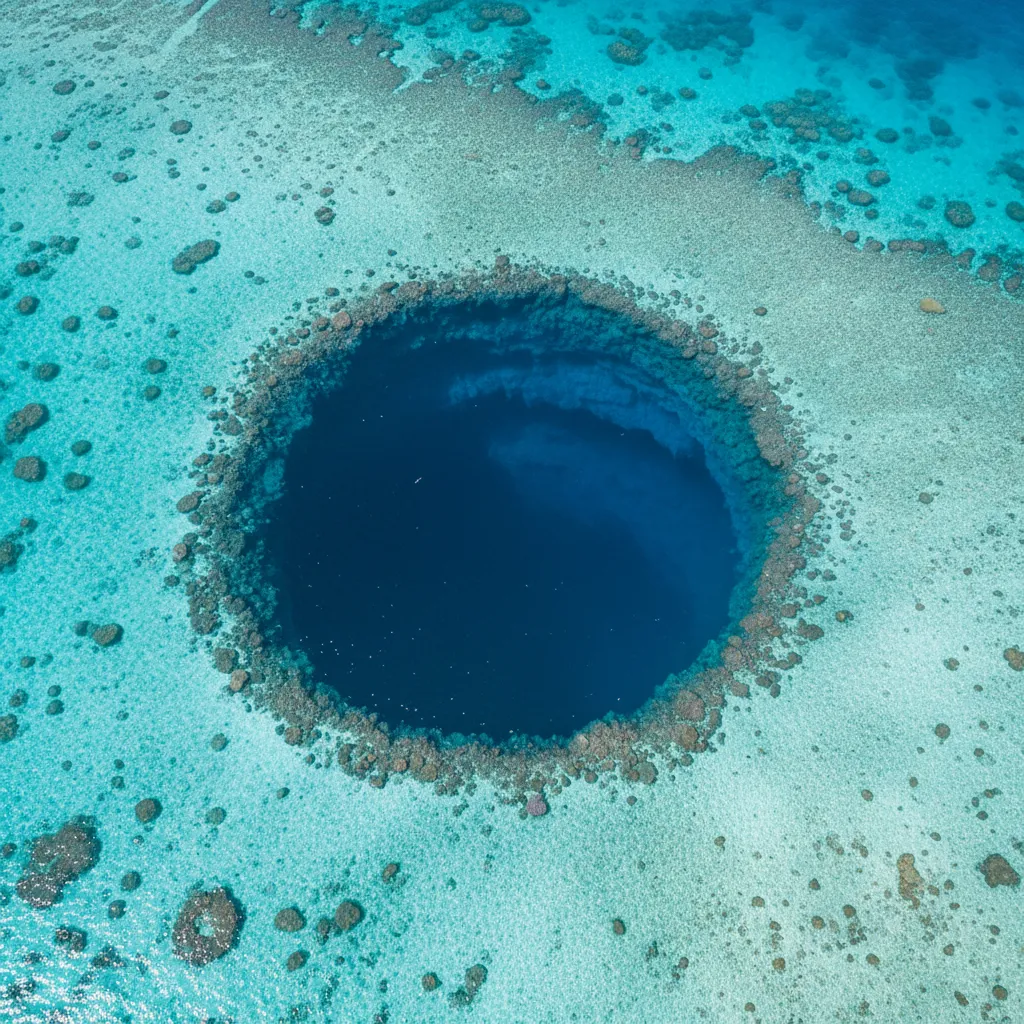
    The world's largest ocean blue hole at 300 metres across and 125 metres deep - made famous by Jacques Cousteau in 1971.
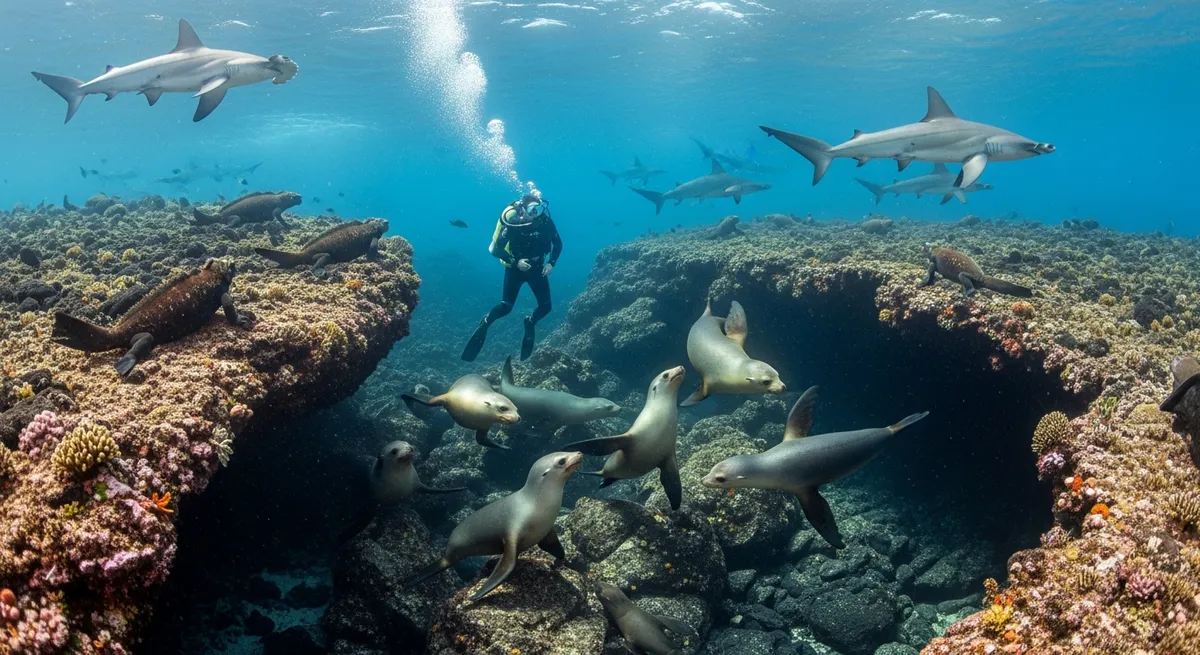
  7. Galápagos: World-Record Marine Biodiversity & Mega-Aggregations

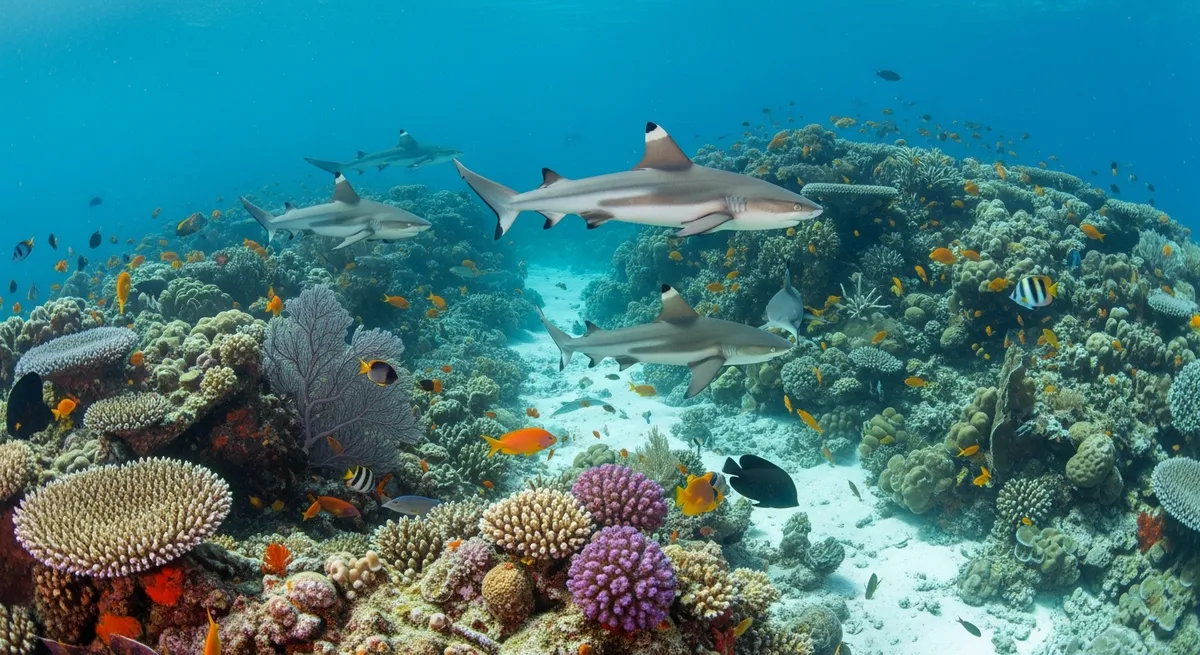
    Dive into the Galápagos, a marine realm holding world records for biodiversity and unique endemic species. This archipelago boasts unparalleled aggregations of thousands of hammerhead sharks, marine iguanas, and Galápagos penguins, offering a practical dive into Earth's most concentrated and diverse underwater ecosystem.
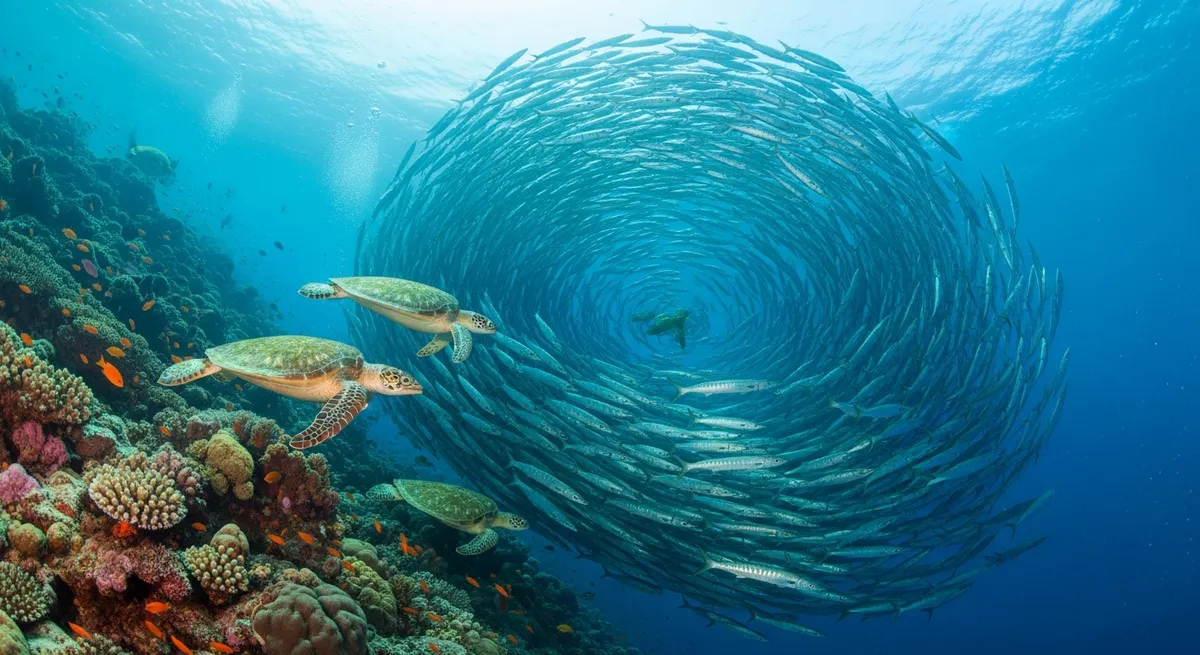

  8. Sipadan: Where Density Breaks Records

    Sipadan consistently sets world records for marine life density, boasting an astonishing concentration of species. Prepare for unparalleled encounters with massive swirling schools of barracuda and dozens of green and hawksbill turtles on every dive. This site truly defines what it means to be a "World Record Dive Site."
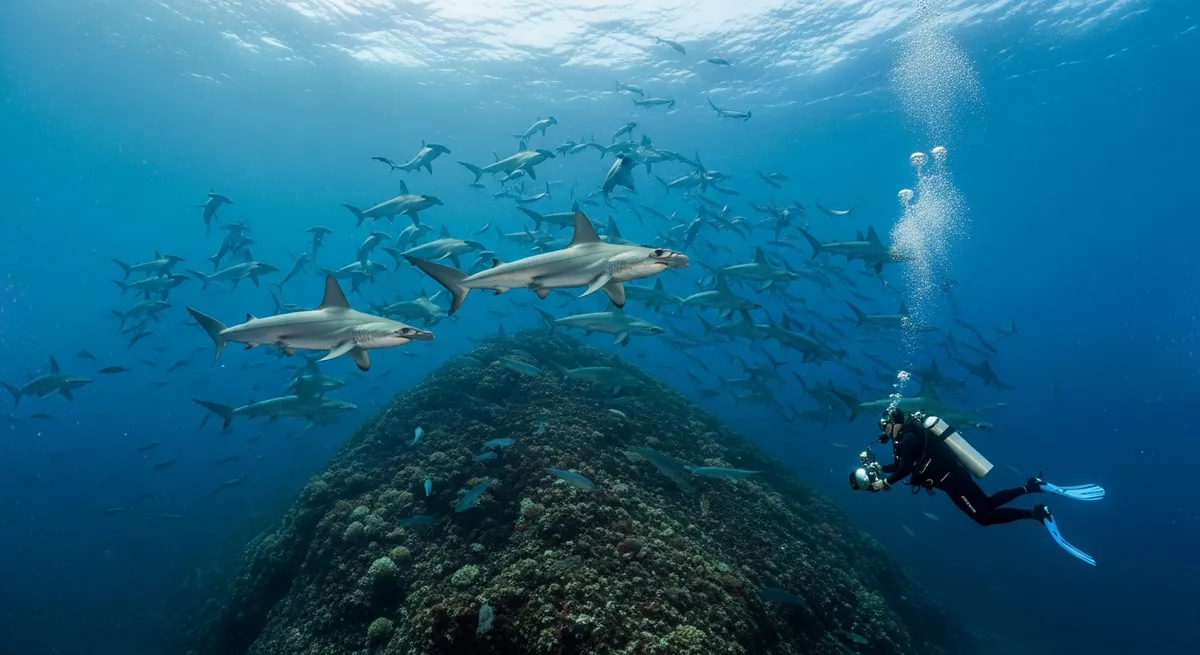

  9. Cocos Island: World Record Hammerhead Mecca

    Cocos Island holds the world record for reliable, massive aggregations of hammerhead sharks, drawing divers globally for unparalleled pelagic encounters. Witness hundreds of these magnificent creatures in a single dive, a truly awe-inspiring spectacle. This remote outpost is the ultimate mecca for experiencing an apex predator gathering like no other.

  10. Malpelo: World Record Shark Aggregations

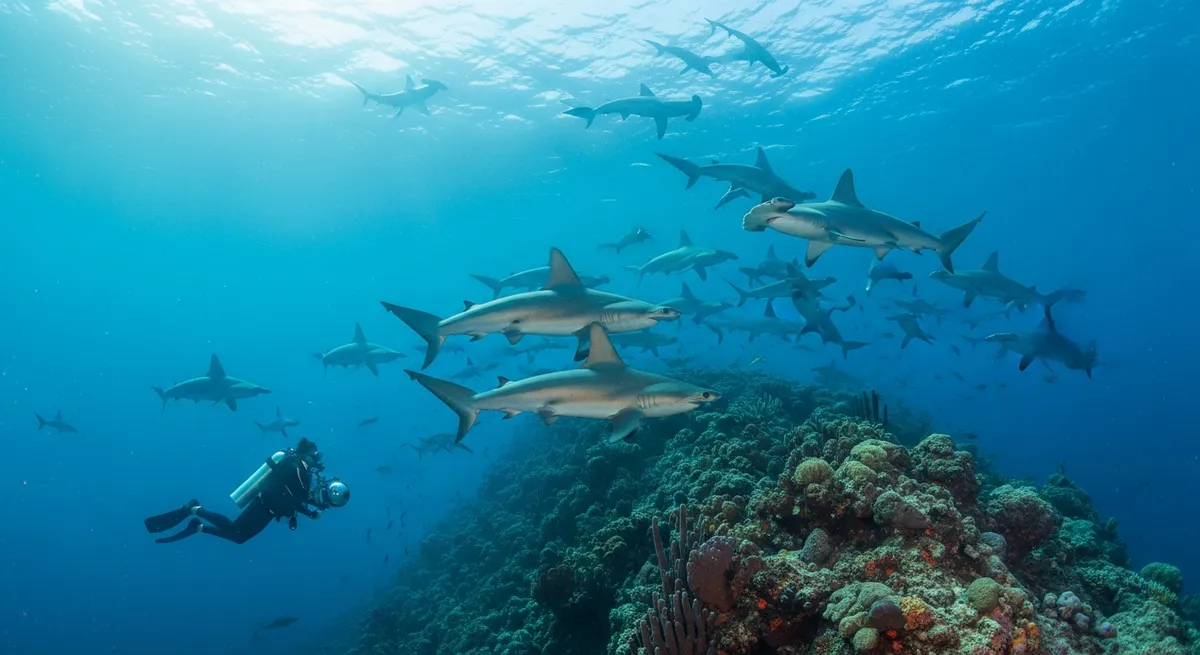
    Malpelo Island is renowned for hosting some of the world's largest shark populations, making it a true world record site for shark encounters. Divers routinely witness immense schools of hammerheads and silky sharks, an unparalleled spectacle of marine life. This remote pinnacle offers an extraordinary opportunity to dive amidst these record-breaking aggregations.

  11. Raja Ampat: Dive The World Record For Marine Biodiversity

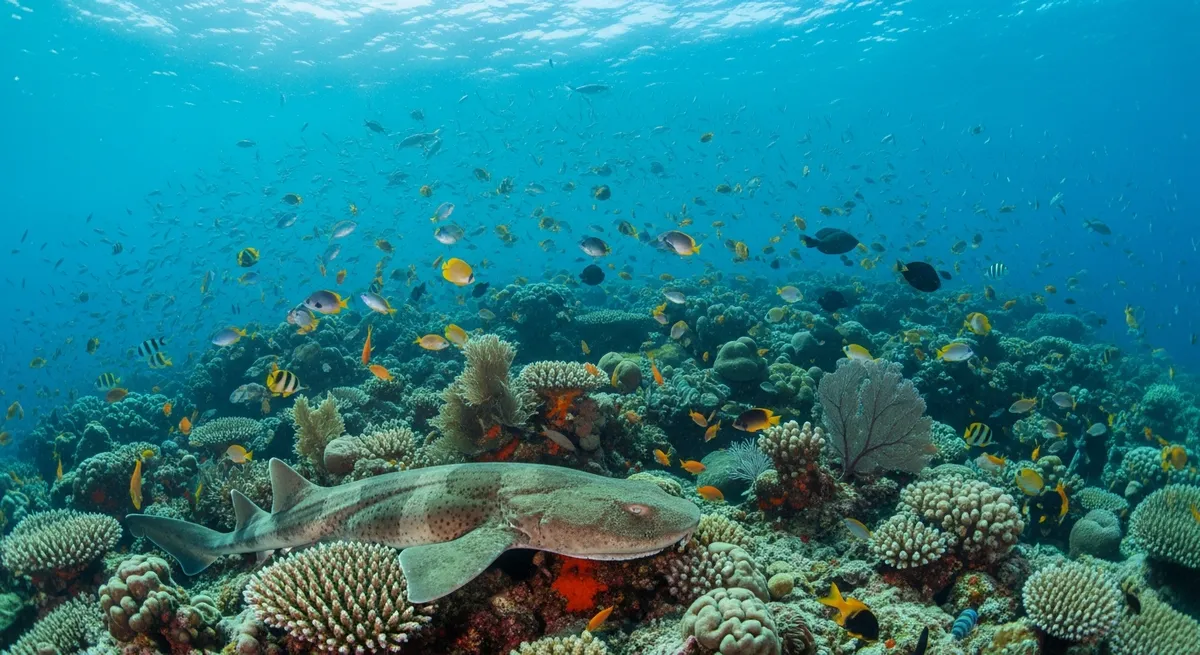
    Raja Ampat holds the official world record for marine biodiversity, boasting the highest number of fish and coral species on Earth. Dive here to experience a living testament to evolutionary abundance, encountering an unparalleled variety of life on every single reef, making it a pinnacle destination for this collection.

  12. Poor Knights: World's Largest Marine Caves & Grottoes

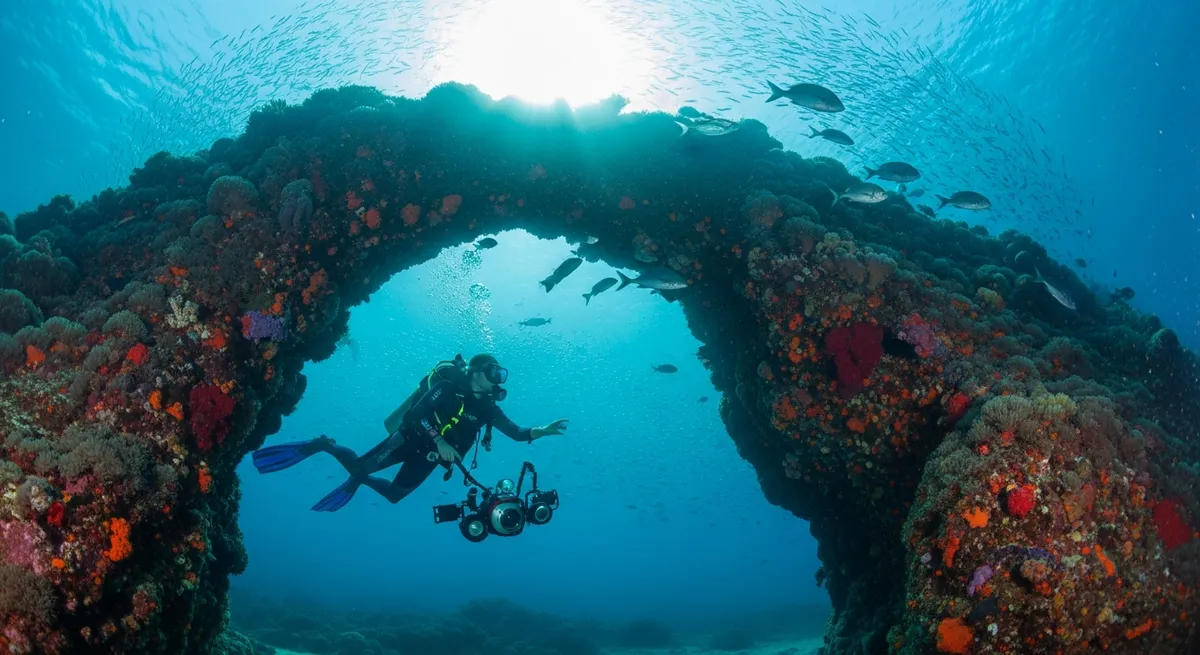
    Dive into the Poor Knights Islands to experience some of the planet's largest and most magnificent sea caves and grottoes, setting a global benchmark for underwater cavern exploration. This strict marine reserve further distinguishes itself with an extraordinary density and diversity of fish life, making every dive a vibrant spectacle within its record-holding formations.

Frequently Asked Questions

What is the deepest blue hole in the world?

<a href="/region/caribbean/bahamas/nassau-new-providence/deans-blue-hole">Dean's Blue Hole</a> in <a href="/region/caribbean/bahamas/long-island">Long Island</a>, Bahamas is the world's deepest known blue hole at 202 metres. It is the primary venue for competitive freediving world records and offers recreational divers a stunning experience at safe depths. The Dragon Hole in the South China Sea was measured at 300 metres in 2016 but is not accessible to recreational divers.

Can recreational divers visit record-breaking dive sites?

Yes - most record-breaking sites are accessible to recreational divers at safe depths. <a href="/region/red-sea-middle-east/egypt/dahab">Dahab</a>'s Blue Hole is a popular recreational site with beautiful coral at 5-30 metres. <a href="/region/caribbean/bahamas/nassau-new-providence/deans-blue-hole">Dean's Blue Hole</a> offers snorkelling and shallow dives. The cenotes where cave distance records were set have recreational cavern zones. You experience the same geological wonder without the extreme depths.

What is the deepest scuba dive ever recorded?

The deepest verified scuba dive is 332.35 metres, achieved by Ahmed Gabr in the Red Sea off <a href="/region/red-sea-middle-east/egypt/dahab">Dahab</a>, Egypt in 2014. The dive took 12 minutes to descend and nearly 14 hours of decompression to surface safely. This is an extreme technical achievement and not recreational diving - recreational limits are 40 metres for advanced divers.

What is the best time of year to visit some of the most famous world record dive sites for optimal conditions?

Optimal diving conditions for record-breaking sites vary greatly, but generally align with dry seasons or periods of calmest seas, offering better visibility and easier access. For instance, Caribbean record sites are best visited outside hurricane season (June-November), while others have specific windows to avoid strong currents or adverse weather. Always research the specific site's local climate and marine conditions thoroughly before planning.

What specific diving certifications are typically required to participate in expeditions to world record dive sites?

Recreational certifications are insufficient; most world record dive sites demand advanced technical diving certifications such as Trimix Diver, Advanced Gas Blender, or Rebreather Diver. Depending on the site, specialized training like Full Cave Diver, Wreck Penetration, or specialized deep saturation diving courses may also be mandatory. These ensure divers have the skills, knowledge, and equipment to manage extreme depths, decompression, and complex environments safely.

What are the primary safety considerations and environmental challenges when diving at extreme record-breaking locations?

Safety at these sites revolves around managing extreme depth-related risks like decompression sickness, nitrogen narcosis, and oxygen toxicity, requiring meticulous dive planning and redundant systems. Environmental challenges often include freezing temperatures, strong currents, limited visibility, and the psychological demands of vast, dark, or confined spaces. Proper training, specialized equipment, and a highly experienced support team are paramount for mitigating these inherent dangers.

Beyond depth, what unique geological formations or experiences make these world record sites stand out?

These sites offer more than just extreme depth; they feature incredible geological marvels like vast, ancient blue holes with unique ecosystems, pristine deep-water coral gardens, or colossal underwater canyons and walls. Divers can experience a profound sense of exploration, witnessing rarely seen marine life adapted to the deep, or connecting with the raw power of Earth's underwater landscapes. The sheer scale and untouched nature of these environments provide an unparalleled sense of wonder and pioneering spirit.

What specialized equipment beyond standard recreational gear is essential for diving at extreme record-breaking locations?

Essential specialized equipment includes closed-circuit rebreathers for extended bottom times and gas efficiency, multiple stage/decompression cylinders with varying gas mixtures, and technical dive computers with multi-gas capabilities. Divers also require robust primary and backup lighting systems, heated undersuits for cold deep water, and often specialized helmets or communication systems for team coordination. This redundant and sophisticated gear ensures safety and capability in challenging, remote environments.