3 ways
Protected Area
Motutapu Island
Why dive here
With 163+ marine species recorded in the area - including blue sharks, blue whales, dolphins, great white sharks and hammerhead sharks - 3 ways offers some of Bay of Islands's richest reef diving. Water ranges 16-22°C, warmest January, February, March.
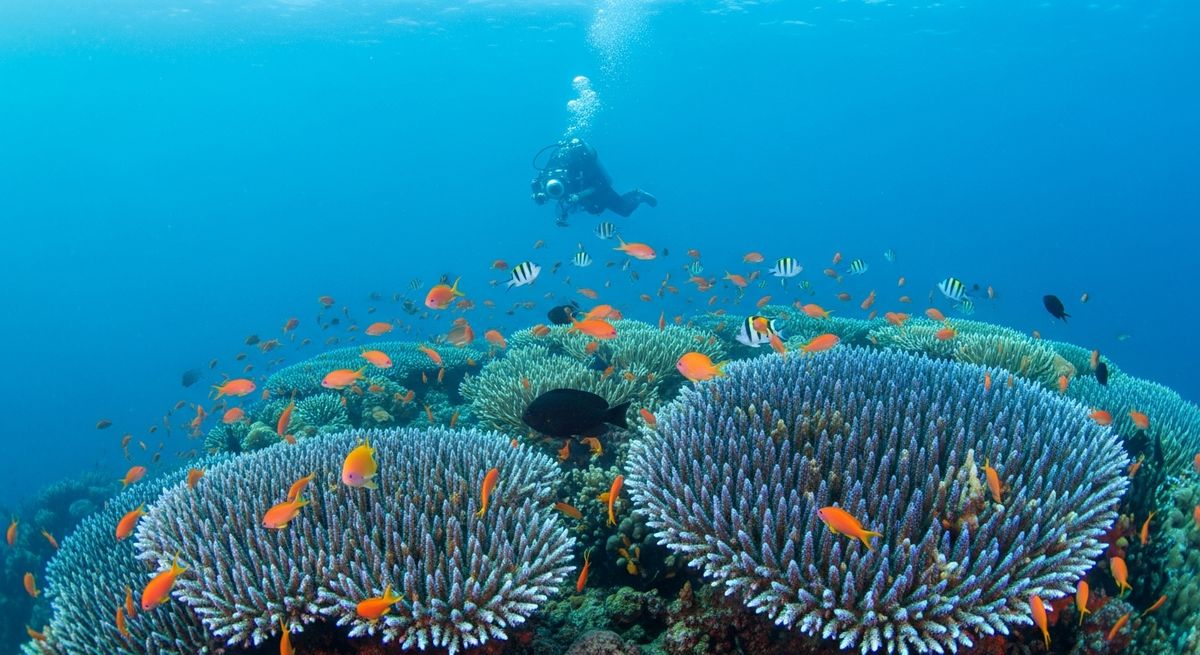
Three Ways, tucked into the Bay of Islands, is one of those sites that just feels like home. We’ve probably spent more bottom time here than anywhere else in Northland, and for good reason. It’s an archway system cutting right through Te Anaputa Island, so you get this fantastic play of light and shadow, especially when the sun hits it just right in the late morning. The site is a network of swim-throughs and small caves, perfect for exploring without needing to be a tech diver. Max depth hits around 15 metres, so it’s forgiving for newer divers but still offers plenty to see for the more experienced. Keep an eye out for Bulldog Stargazers buried in the sand patches just inside the arches – they’re masters of camouflage. We’ve also had some cracking encounters with larger stingrays here, especially in the warmer months when they seem to cruise through the channels. Look up, and you’ll often see schools of demoiselles and goatfish darting around. It’s a great spot for an easy, leisurely dive, suited to anyone who loves a bit of cave exploration without the serious commitment.
Typical 3 ways Dive Profile
Illustrative profile based on site depth and type. Actual dive profiles vary - always follow your dive computer and training.
Nearest Dive Centres to 3 ways
Dive shops near 3 ways
View all dive centres in Bay of IslandsReviews for 3 ways
Conditions
Ocean conditions, forecast and tides for 3 ways
3 ways Ocean Conditions
Monthly averages for 3 ways, sourced from Open-Meteo marine data - nearest station: Open-Meteo marine grid (-35.24, 174.22) (2km away)
October Averages
Sea Temperature
16°C
61°F · Range: 14.9–16.8°C
Air Temperature
16°C
60°F
Wind Speed
7.43 m/s
14.4 knots
Atmospheric Pressure
1019.1 hPa
Based on 4 years of monitoring data · Data sources: Open-Meteo marine data
Plan & book
Ways to dive Bay of Islands, from day trips to liveaboards.
Day trips & courses
via GetYourGuideGuided dives, courses and snorkel trips with instant booking.
Find dive trips in Bay of IslandsPlaces to stay
via Booking.comHotels and dive resorts near Bay of Islands.
Search stays in Bay of IslandsDive insurance
Most travel insurance excludes or limits scuba. Check what you need before you go.
Dive insurance explainedPartner links: we may earn a commission if you book, at no extra cost to you. How we make money
Where to Stay near 3 ways
Prices from Booking.com. We may earn a commission at no extra cost to you.