Danger Rock
Protected Area
Tamateatai Point
Why dive here
With 163+ marine species recorded in the area - including blue sharks, blue whales, dolphins, great white sharks and hammerhead sharks - Danger Rock offers some of Bay of Islands's richest reef diving. Water ranges 16-22°C, warmest January, February, March.
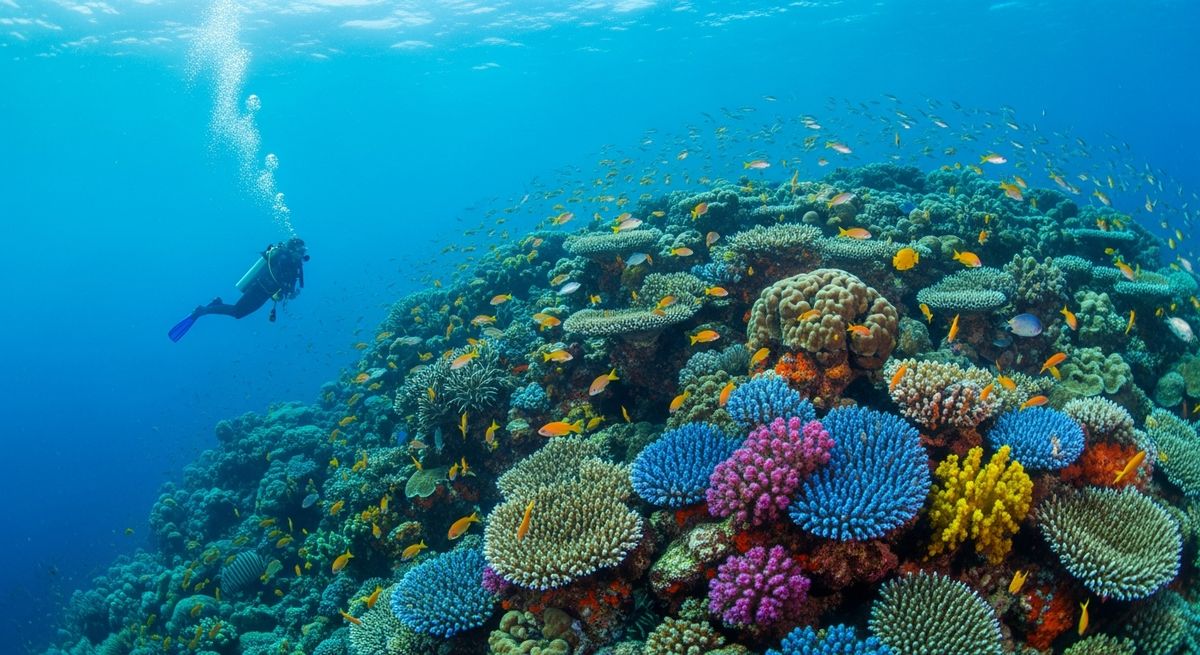
Danger Rock is a site we’ve always enjoyed, a real cracker when the conditions line up. You’re dropping onto a submerged pinnacle, the northern side a wall that goes down to about 18 metres before a bend reveals deeper boulder fields. We’ve found the currents here can be pretty lively, so keep an eye on the dive briefing. On the western side, two smaller pinnacles rise from the depths, forming a narrow canyon you can weave through. It's a great little swim-through, the light filtering in really makes the sponges glow. This spot is fantastic for invertebrates; we’ve spent ages here spotting nudibranchs clinging to the rocks, alongside green rock lobsters tucked into crevices. Keep an eye out for schooling butterfly perch, their orange scales flashing, and we’ve often seen dory hovering in the quieter spots. It’s a solid dive for those who appreciate the smaller stuff and don't mind a bit of a current.
Typical Danger Rock Dive Profile
Illustrative profile based on site depth and type. Actual dive profiles vary - always follow your dive computer and training.
Nearest Dive Centres to Danger Rock
Dive shops near Danger Rock
View all dive centres in Bay of IslandsReviews for Danger Rock
Conditions
Ocean conditions, forecast and tides for Danger Rock
Danger Rock Ocean Conditions
Monthly averages for Danger Rock, sourced from Open-Meteo marine data - nearest station: Open-Meteo marine grid (-35.24, 174.22) (2km away)
October Averages
Sea Temperature
16°C
61°F · Range: 14.9–16.8°C
Air Temperature
16°C
60°F
Wind Speed
7.43 m/s
14.4 knots
Atmospheric Pressure
1019.1 hPa
Based on 4 years of monitoring data · Data sources: Open-Meteo marine data
Plan & book
Ways to dive Bay of Islands, from day trips to liveaboards.
Day trips & courses
via GetYourGuideGuided dives, courses and snorkel trips with instant booking.
Find dive trips in Bay of IslandsPlaces to stay
via Booking.comHotels and dive resorts near Bay of Islands.
Search stays in Bay of IslandsDive insurance
Most travel insurance excludes or limits scuba. Check what you need before you go.
Dive insurance explainedPartner links: we may earn a commission if you book, at no extra cost to you. How we make money
Where to Stay near Danger Rock
Prices from Booking.com. We may earn a commission at no extra cost to you.