Tucker Shallow
Protected Area
Chateaubelair Islet Wildlife Reserve
Why dive here
With 267+ marine species recorded in the area - including dolphins, humpback whales, nurse sharks, orcas and sea turtles - Tucker Shallow offers some of St. Vincent's richest diving. Water ranges 27-30°C, warmest August, September, October.
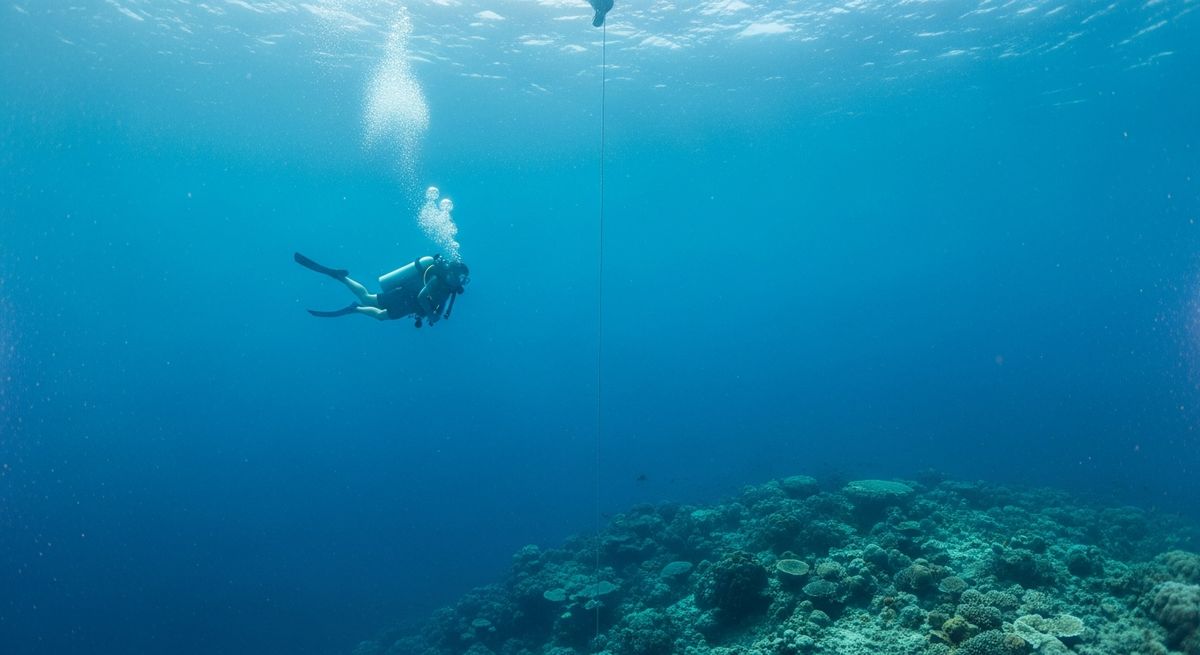
Tucker Shallow on St. Vincent is one of our favourites for a relaxed afternoon dive, especially if you’re keen on spotting the smaller, shyer stuff. It’s a gentle wall, not too deep, topping out around 17 metres, which means plenty of light filters through, even on overcast days. We love how the reef just drops off, creating these little ledges and overhangs where you’ll often find nurse sharks snoozing, tucked away from the current. Visibility here averages around 8 metres, sometimes more, sometimes a bit less, but it's usually enough to really appreciate the details. Look closely, and you might spot a Saddle Stargazer buried in the sand, or a Pearl Blenny peeking out from its coral home. We’ve seen quite a few turtles here too, usually just cruising along the wall. It’s perfect for beginners or anyone who just wants a long, unhurried dive without too much effort. You’re not fighting current, you’re just enjoying the scenery.
Nearest Dive Centres to Tucker Shallow
Dive shops near Tucker Shallow
View all dive centres in St. VincentReviews for Tucker Shallow
Conditions
Ocean conditions, forecast and tides for Tucker Shallow
Tucker Shallow Ocean Conditions
Monthly averages for Tucker Shallow, sourced from Open-Meteo marine data - nearest station: Open-Meteo marine grid (13.05, -61.21) (6km away)
October Averages
Sea Temperature
30°C
86°F · Range: 29–31.2°C
Air Temperature
28°C
82°F
Wind Speed
5.62 m/s
10.9 knots
Atmospheric Pressure
1012.3 hPa
Based on 4 years of monitoring data · Data sources: Open-Meteo marine data
Plan & book
Ways to dive St. Vincent, from day trips to liveaboards.
Day trips & courses
via GetYourGuideGuided dives, courses and snorkel trips with instant booking.
Find dive trips in St. VincentPlaces to stay
via Booking.comHotels and dive resorts near St. Vincent.
Search stays in St. VincentDive insurance
Most travel insurance excludes or limits scuba. Check what you need before you go.
Dive insurance explainedPartner links: we may earn a commission if you book, at no extra cost to you. How we make money
Where to Stay near Tucker Shallow
Prices from Booking.com. We may earn a commission at no extra cost to you.