ANTRAX
Protected Area
Flensborg Fjord og Nybøl Nor
Why dive here
With 95+ marine species recorded in the area - including seals & sea lions, sea turtles and jellyfish lake - ANTRAX offers some of North Sea Coast's richest wreck diving. Water ranges 3-19°C, warmest July, August, September.
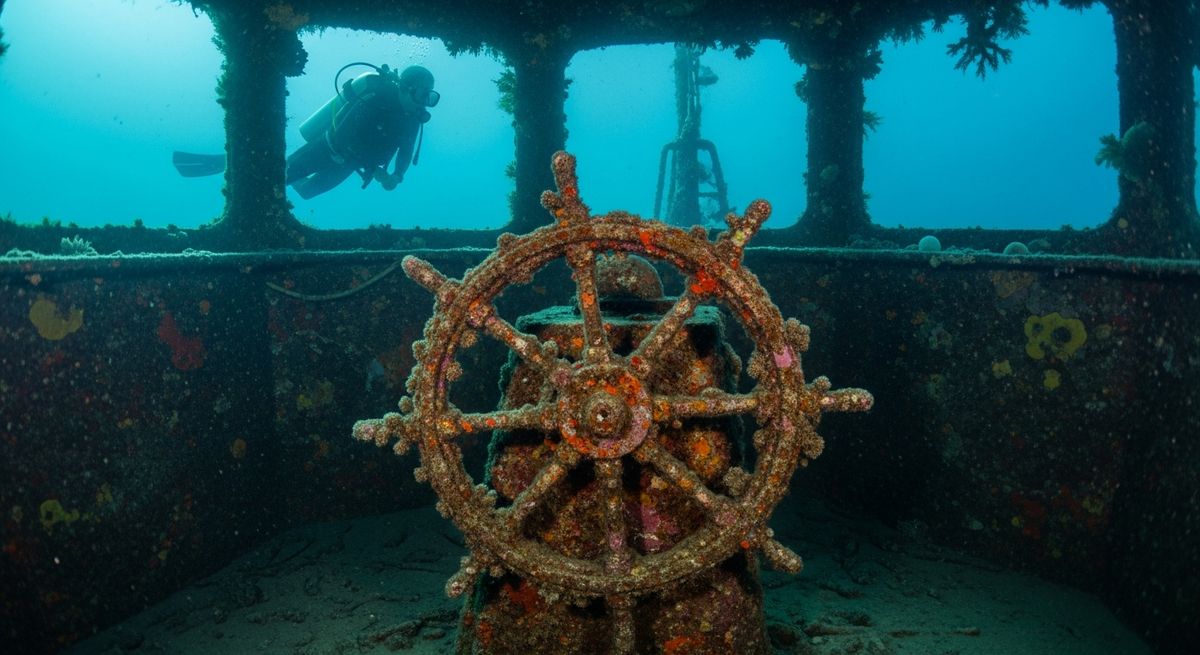
There’s a real chill to the North Sea, but the Antrax wreck always makes it worthwhile. We love this site for its historical bite, the lingering sense of danger that keeps you sharp, even decades later. This was a tender vessel, a small workhorse, and you can still feel that utility as you fin around its broken ribs at 14 metres. Visibility here is typically Danish, meaning it can be a bit murky, but that only adds to the atmosphere. We’ve had dives where the wreck slowly materialises from the green haze, a ghostly outline of its former self. What you’ll find is a structure that's been well and truly colonised. Crabs scuttle in the shadows, and we often spot flatfish camouflaged against the sandy seabed near the hull. Sometimes, a curious cod will eye you from a dark recess. It’s not a huge wreck, but there’s enough to explore for a good 30-40 minute bottom time, picking through the twisted metal. We’d suggest going at slack tide; the currents here can pick up quickly, making the dive less enjoyable. It’s a dive for those who appreciate history and don't mind a bit of a challenge in the conditions.
Typical ANTRAX Dive Profile
Illustrative profile based on site depth and type. Actual dive profiles vary - always follow your dive computer and training.
Safety Notes
Wreck site - avoid penetration without wreck diving certification. Watch for sharp metal and entanglement hazards.
Cold water this month (avg 13°C). Drysuit or thick wetsuit (7mm+) recommended.
Always perform a 3-minute safety stop at 5m before surfacing.
ANTRAX Wreck History
Vessel Type
tugboat
Cause
unknown
The identity and history of the wreck known as the Antrax remain a mystery, adding a layer of intrigue to this North Sea dive. Located at a very accessible depth of 14 metres, this tender vessel is a fascinating site for divers of all levels. However, its classification as a 'Dangerous Wreck' commands respect and caution; this designation often indicates the presence of unexploded ordnance or a structure that is unstable and hazardous to navigation. Divers should maintain a safe distance and practice a strict no-touch policy. The wreck's nature as a service or tender vessel, combined with its location and 'dangerous' status, suggests a possible military role during World War II, but its final moments are lost to time. Exploring the Antrax is a chance to dive into a genuine maritime enigma.
Nearest Dive Centres to ANTRAX
Dive shops near ANTRAX
View all dive centres in North Sea CoastReviews for ANTRAX
Conditions
Ocean conditions, forecast and tides for ANTRAX
ANTRAX Ocean Conditions
Monthly averages for ANTRAX, sourced from Open-Meteo marine data - nearest station: Open-Meteo marine grid (55.31, 9.86) (1km away)
October Averages
Sea Temperature
13°C
56°F · Range: 10.7–16.8°C
Air Temperature
11°C
52°F
Wind Speed
7.69 m/s
14.9 knots
Atmospheric Pressure
1010.5 hPa
Based on 4 years of monitoring data · Data sources: Open-Meteo marine data
Plan & book
Ways to dive North Sea Coast, from day trips to liveaboards.
Day trips & courses
via GetYourGuideGuided dives, courses and snorkel trips with instant booking.
Find dive trips in North Sea CoastPlaces to stay
via Booking.comHotels and dive resorts near North Sea Coast.
Search stays in North Sea CoastDive insurance
Most travel insurance excludes or limits scuba. Check what you need before you go.
Dive insurance explainedPartner links: we may earn a commission if you book, at no extra cost to you. How we make money
Where to Stay near ANTRAX
Prices from Booking.com. We may earn a commission at no extra cost to you.