Best Wreck Dives in the World
Wreck diving combines history, adventure, and marine life exploration into one unforgettable experience. From wartime vessels resting on the seabed to deliberately scuttled ships now teeming with coral and fish, the world's best wreck dives offer a haunting glimpse into the past while providing habitat for thriving underwater ecosystems. Whether you are a newly certified diver exploring a shallow, accessible wreck or a technical diver penetrating the engine rooms of a deep-water battleship, these destinations represent the pinnacle of wreck diving worldwide.
12 destinations in this collection
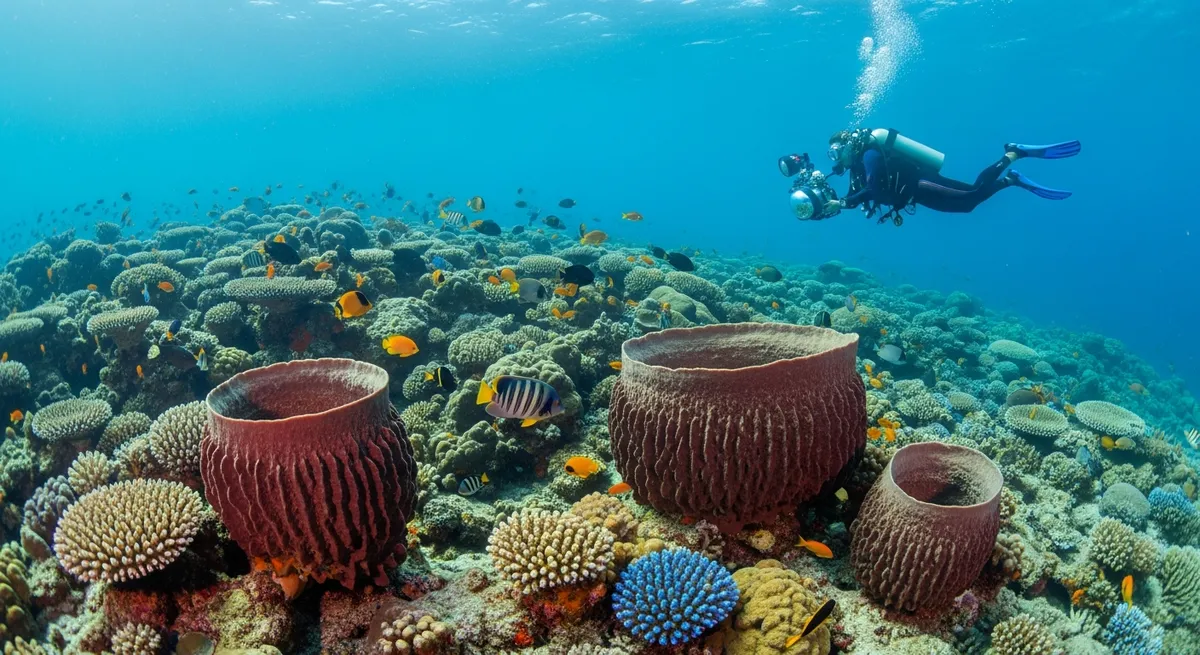

Cozumel's warm Caribbean waters and excellent visibility make it ideal for wreck diving. The C-53 Felipe Xicotencatl, a decommissioned Mexican Navy minesweeper deliberately sunk in 2000, sits upright at 24 metres and is safe for penetration with proper training. Swim-throughs and open hatches make it one of the most accessible wreck dives in the Americas.
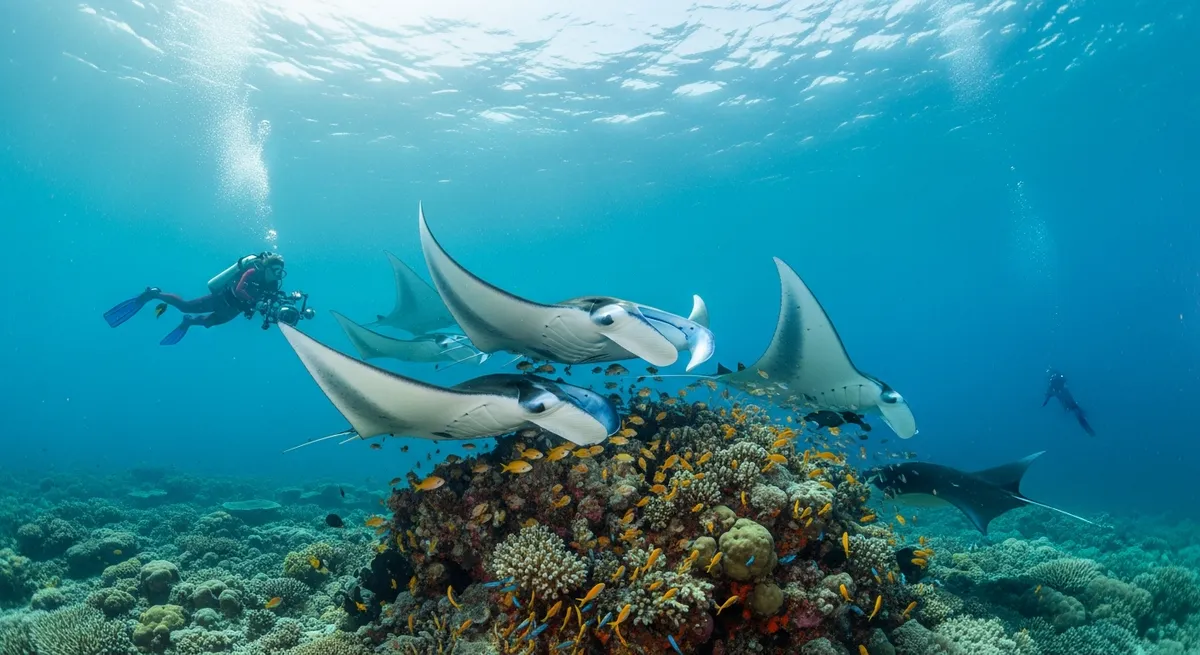
Bali, Indonesia - USAT Liberty
Indonesia
The USAT Liberty at Tulamben is one of the world's most accessible wreck dives - a 120-metre US Army transport ship torpedoed in 1942, lying just 30 metres from the beach at depths of 5 to 30 metres. Encrusted in vibrant corals and sponges, and home to pygmy seahorses, bumphead parrotfish, and reef sharks, it is diveable at all certification levels.
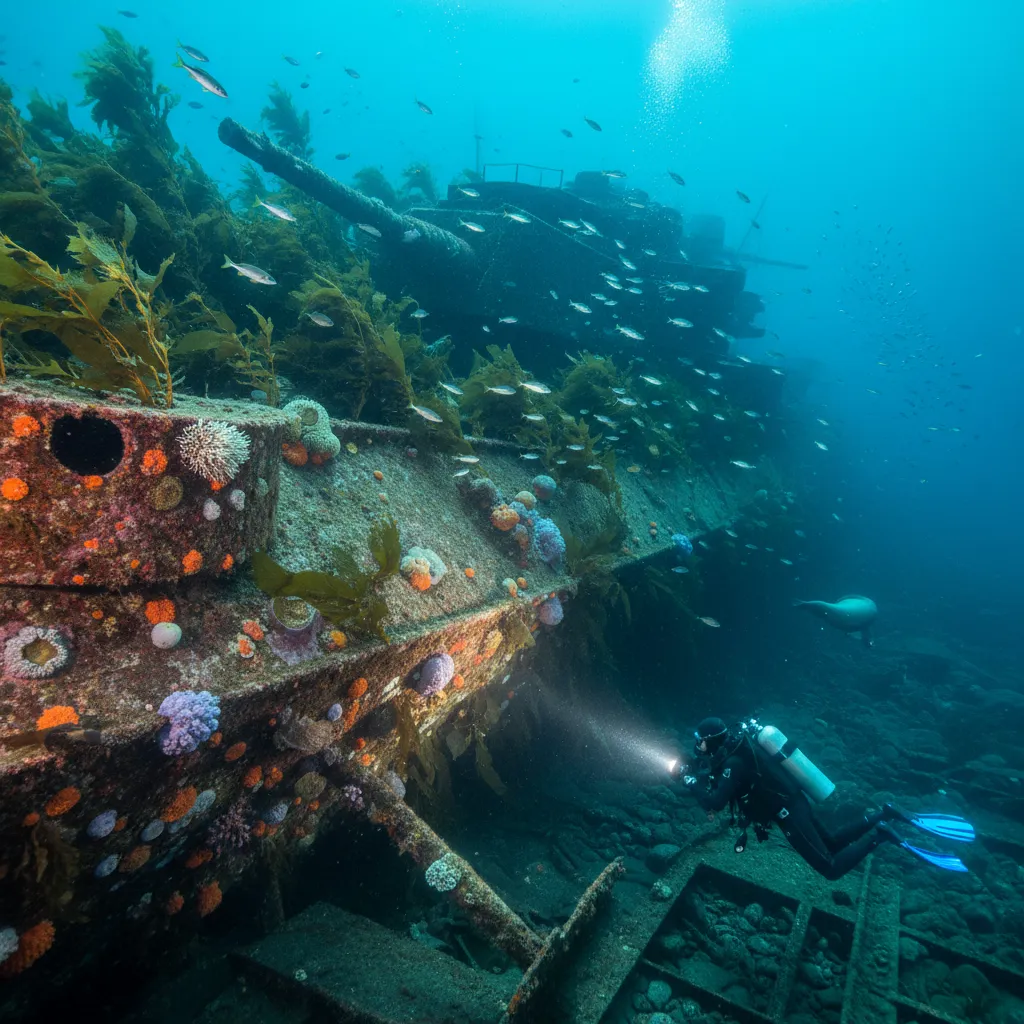
Scapa Flow, Scotland - WWI German High Seas Fleet
United Kingdom
Scapa Flow in Orkney holds the remains of the scuttled German High Seas Fleet from World War I - the largest single naval loss in history. Seven major wrecks remain on the seabed including battleships and light cruisers. Cold water and strong currents demand drysuits and experience, but the sheer scale and historical significance are unmatched.
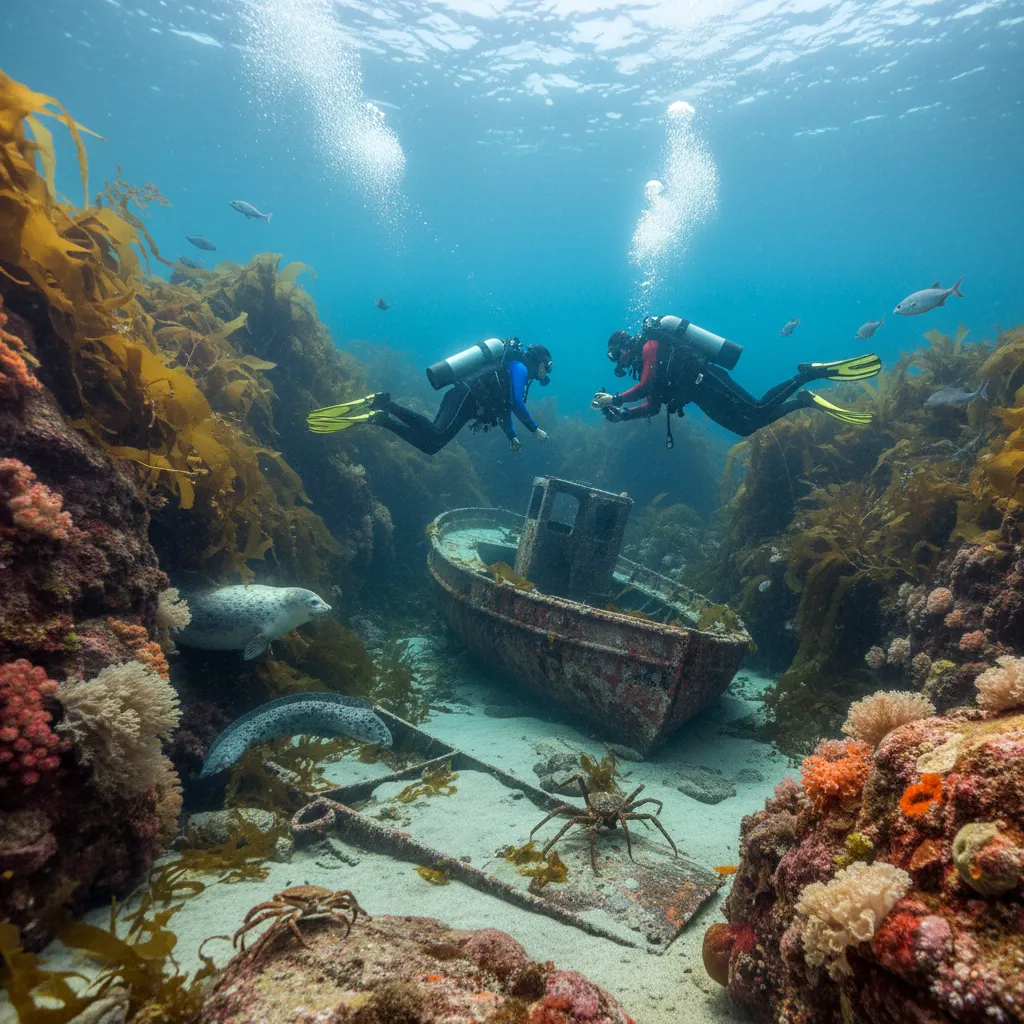
The rugged coastlines of Cornwall and Devon are a historical maritime graveyard, boasting an extraordinary density and diversity of shipwrecks. From ancient sailing vessels to WWII wrecks, these underwater time capsules now host vibrant marine life, offering unparalleled dives into centuries of maritime heritage.
Discover why Northumberland and the Northeast are celebrated for their exceptional wreck diving. The cold North Sea waters have remarkably preserved a vast array of historic vessels, creating an underwater museum rich with maritime heritage for adventurous divers.
Scottish West Coast: Preserved Wrecks & Rich History
United Kingdom
The Scottish West Coast boasts phenomenal, historically significant wrecks, remarkably preserved by its cold, clear waters. These sunken vessels create thriving artificial reefs, blending maritime history with abundant marine life for exceptional dives.
Scottish East Coast: Deep, Historic North Sea Wrecks
United Kingdom
The Scottish East Coast & Borders offers exceptional deep, historic wreck diving in the North Sea. Cold, stable waters preserve WWI U-boats and cargo vessels, providing experienced divers compelling glimpses into maritime history.
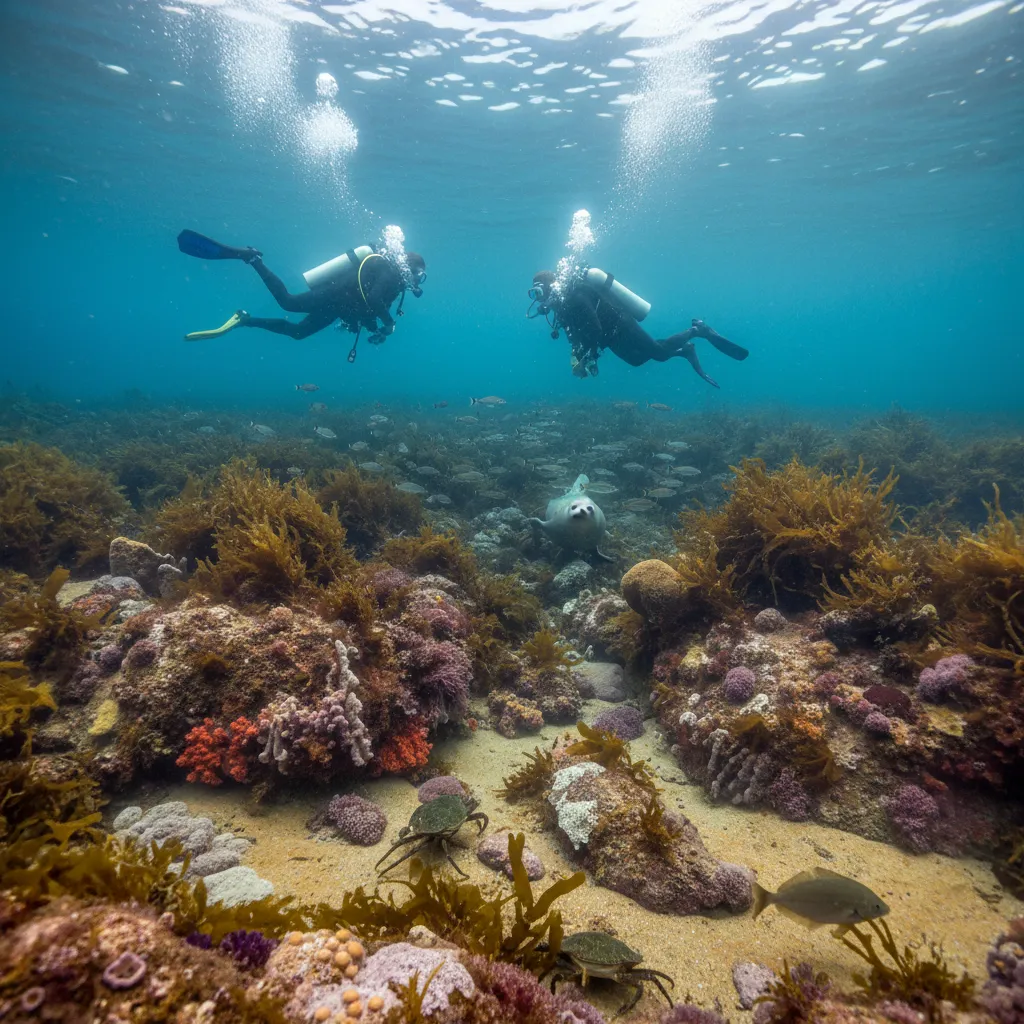

The North Sea Coast is a chilling legacy of maritime conflict, particularly from WWI and WWII. Its cold, often challenging waters protect an astonishing array of perfectly preserved warships, U-boats, and merchant vessels, offering a unique, historical dive.
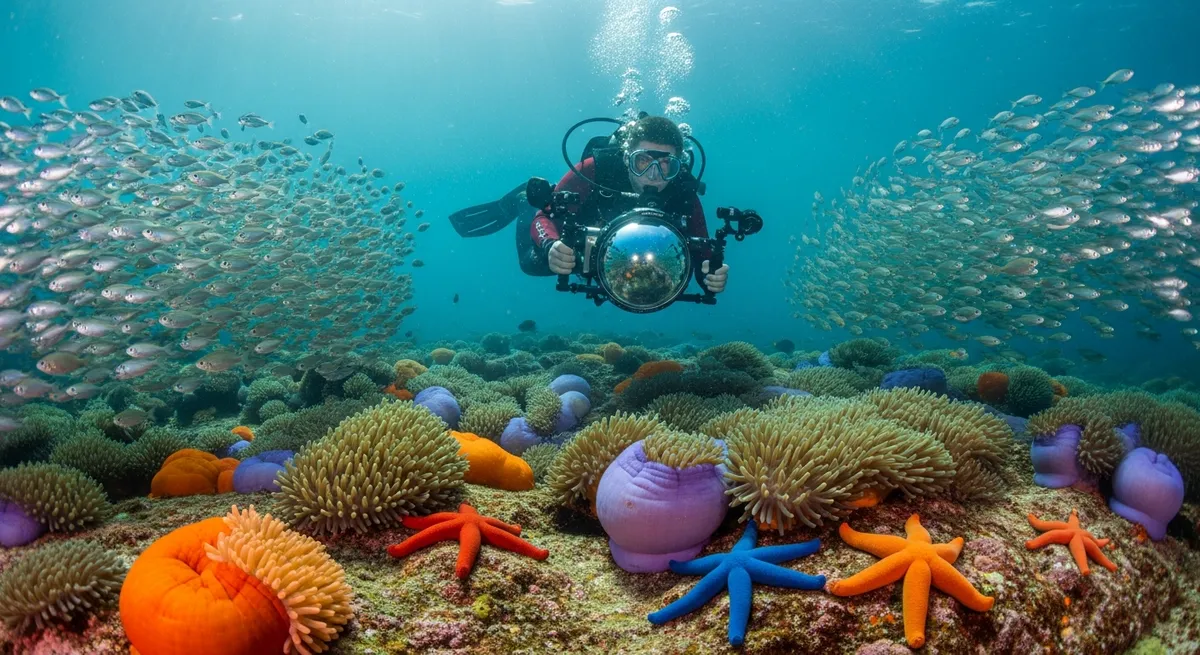

Mar del Plata earns its place among the world's best wreck dives as Argentina's "Submerged Fleet Graveyard." Its cold, nutrient-rich waters harbor a remarkable density of historical shipwrecks, preserved by challenging currents. These sites offer a unique, thrilling exploration of maritime history, now vibrant ecosystems.
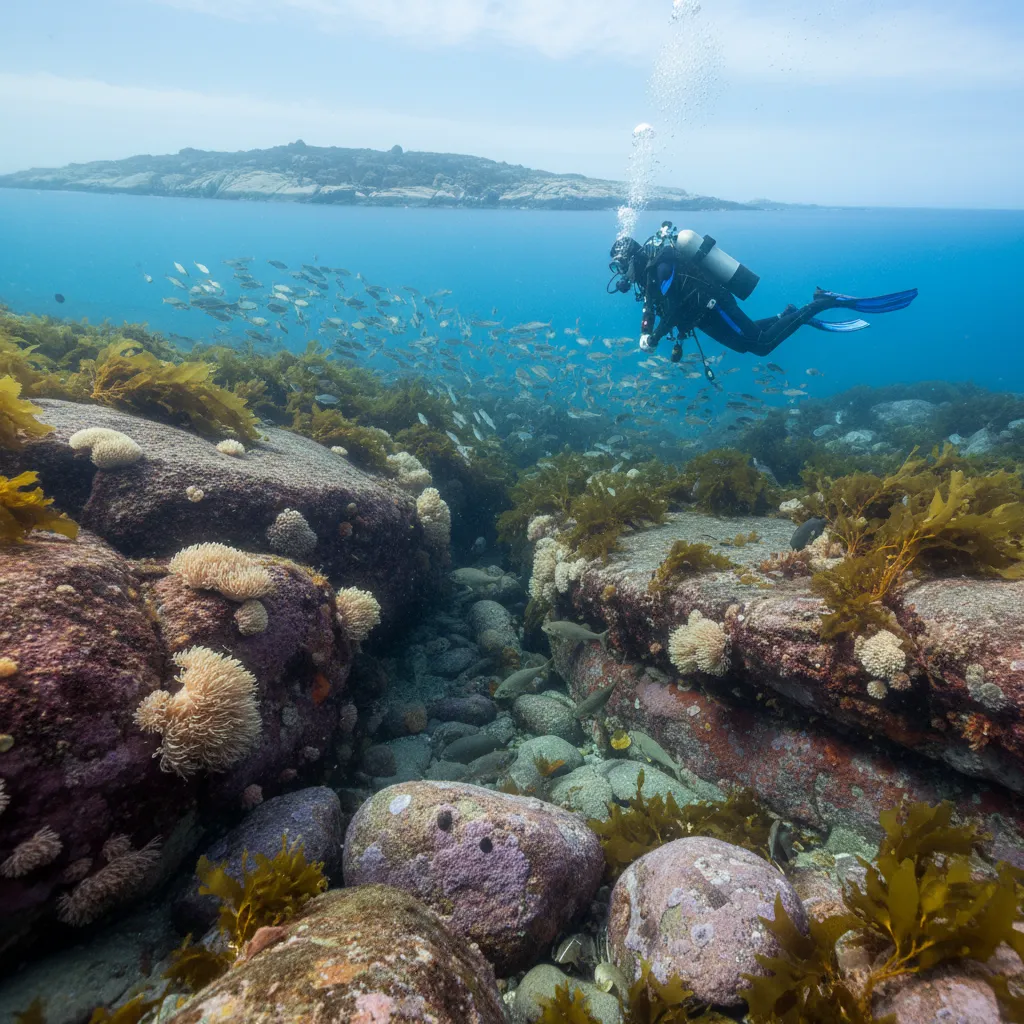
Off Bornholm, the Baltic Sea's unique cold, low-salinity conditions create an unparalleled underwater museum. These waters famously lack wood-boring shipworms, preserving countless ancient wooden wrecks in astonishing detail, offering divers an unparalleled glimpse into maritime history.
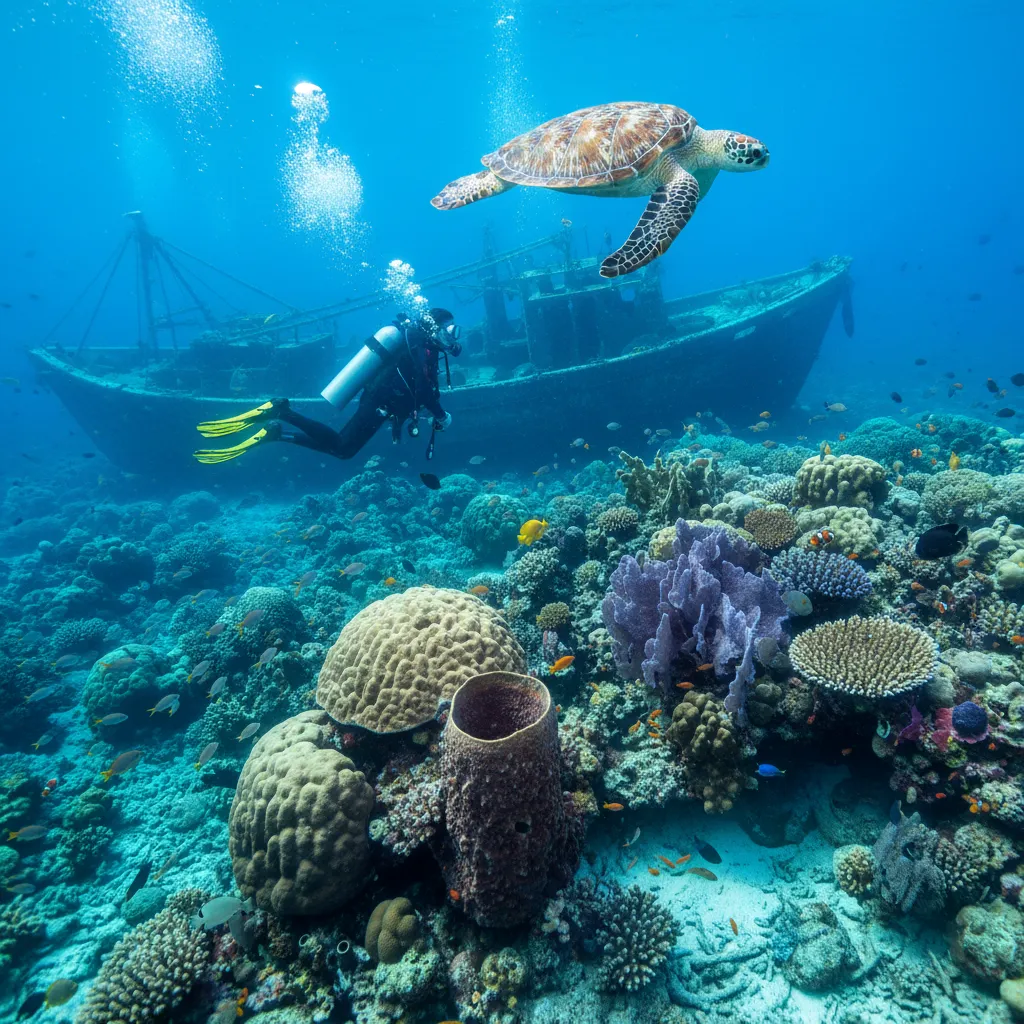

Explore the captivating wrecks scattered across the Southern Islands, silent witnesses to pivotal maritime events. These warm, clear waters cradle a remarkable array of historical vessels, from WWII battleships to cargo ships, now vibrant artificial reefs. Divers can experience exceptional preservation and abundant marine life thriving on these significant underwater memorials.
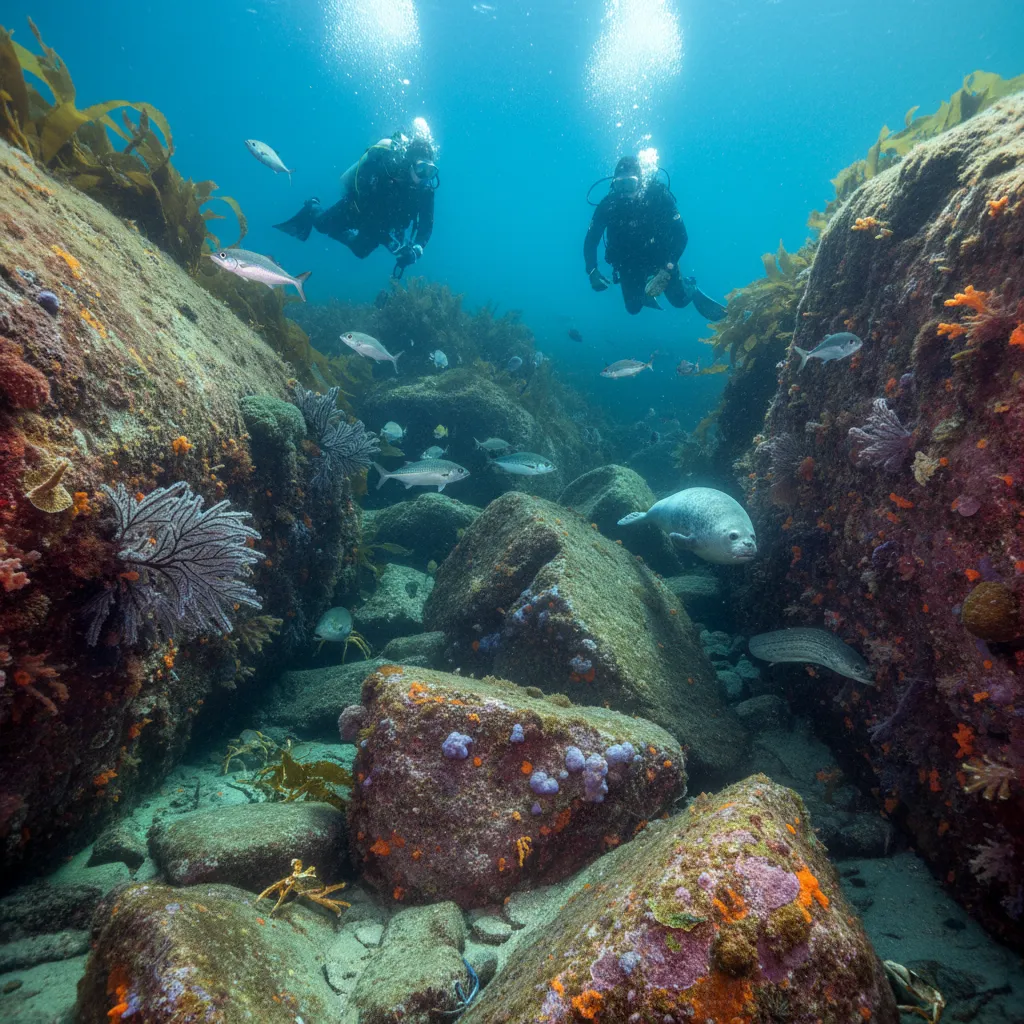

The South Coast of the UK, particularly the English Channel, is a renowned graveyard of ships with an unparalleled density of historic wrecks. Explore a submerged timeline from World War battlegrounds to ancient sailing vessels, offering diverse and thrilling dives. These underwater museums provide incredible insights into maritime history.
About This Collection
Wreck diving is one of the most popular specialities in scuba diving, attracting divers who love the combination of underwater exploration, maritime history, and abundant marine life that artificial reefs create. The best wreck dives in the world range from shallow, beginner-friendly hulks in crystal-clear tropical water to deep, current-swept wartime relics that demand advanced training and careful planning.
The Red Sea has earned its reputation as the wreck diving capital of the world, with iconic sites like the SS Thistlegorm carrying a cargo hold full of wartime vehicles, motorcycles, and supplies perfectly preserved in the dry desert climate. Truk Lagoon in Micronesia holds the largest concentration of diveable shipwrecks on Earth - an entire Japanese fleet sunk during Operation Hailstone in 1944, now draped in soft corals and swarming with reef fish.
Closer to home for many divers, Cozumel offers the Felipe Xicotencatl (C-53) deliberately sunk as an artificial reef, while Malta's clear Mediterranean waters reveal centuries of maritime history from World War II destroyers to ancient anchors. The diversity of wreck diving worldwide means there is always a new hull to explore, a new story to uncover, and a new ecosystem to marvel at.
Looking for more options? Best Wreck Diving Destinations lists all dive sites of this type worldwide.