Anvil Rock - Cape Town & Western Cape

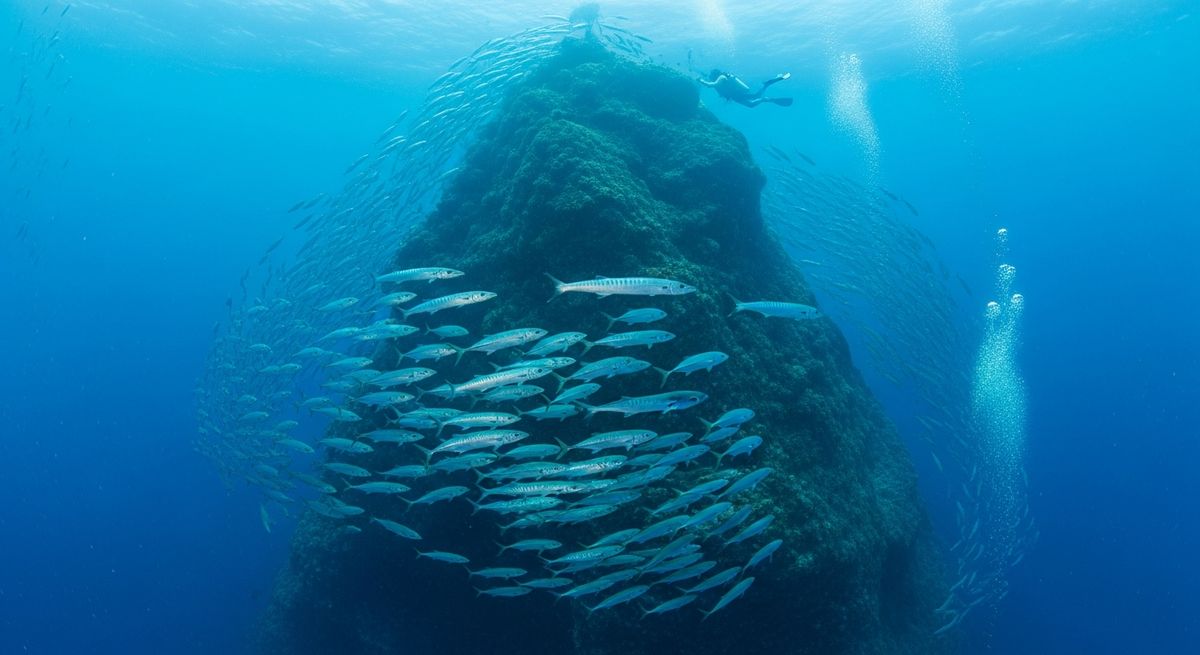
Anvil Rock, just off Cape Point, is a good option when the conditions align. You're diving a massive granite pinnacle here, shallow at the top, dropping to about 12 metres around the base. We’ve found the deeper areas to the southwest are usually where the action is, with schools of hottentot and strepies darting through the kelp forests. It's a comfortable dive for most, but keep an eye on the surge; it can kick up quickly out here. Visibility is a bit of a toss-up, much like its neighbour Bellows Rock, so pick your day carefully.

Location
Cape Town & Western Cape, South Africa, Indian Ocean & East Africa
Coordinates
-34.370400, 18.517800
Type
pinnacle

Marine Protected Area: False Bay Seal Island Provincial Nature Reserve

Best Time to Dive in Cape Town & Western Cape

The warmest water temperatures in Cape Town & Western Cape occur in January, averaging 18.9°C. The coolest conditions are in December at 18.9°C.

Monthly Water Temperatures

  • January: 18.9°C (air: 20.8°C)
  • February: 18.9°C (air: 20.7°C)
  • March: 18.9°C (air: 19.5°C)
  • April: 18.9°C (air: 17.3°C)
  • May: 18.9°C (air: 15.8°C)
  • June: 18.9°C (air: 15.0°C)
  • July: 18.9°C (air: 13.2°C)
  • August: 18.9°C (air: 13.2°C)
  • September: 18.9°C (air: 13.9°C)
  • October: 18.9°C (air: 16.5°C)
  • November: 18.9°C (air: 17.8°C)
  • December: 18.9°C (air: 19.3°C)

Nearby Dive Sites in Cape Town & Western Cape

Nearest Dive Centres to Anvil Rock

Marine Life in Cape Town & Western Cape

Home to 271 recorded species including 176 reef fish, 45 sharks & rays, 28 whales & dolphins, 5 hard corals, 4 other, 4 octopus & squid.

Notable Species

Recommended Packing List for Anvil Rock

Based on average water temperature of 18.9°C.

  • Wetsuit (3-5mm) - comfortable for 19°C water
  • Mask - essential for every dive
  • Fins
  • BCD - buoyancy compensator
  • Regulator - your most safety-critical piece of gear
  • Dive Computer - tracks depth, time, and NDL
  • Surface Marker Buoy (SMB) - essential for boat pickups
  • Dive Torch - useful for crevices and colour at depth
  • Underwater Camera - capture your diving memories

Frequently Asked Questions

What is the typical depth range for diving at Anvil Rock, and how deep are its pinnacles?
The typical depth range for diving at Anvil Rock is currently unknown. However, the site features a massive granite reef rising to a shallow pinnacle, alongside a smaller group of deeper pinnacles located to the southwest. For more details on this unique site, visit the Anvil Rock dive page.
What kind of marine life and underwater topography can divers expect to see at Anvil Rock?
Divers at Anvil Rock can expect to explore a fascinating underwater topography characterized by a massive granite reef that ascends to a shallow pinnacle. Additionally, a smaller group of deeper pinnacles lies a short distance to the southwest, all composed of Precambrian granite corestones of the Peninsula pluton. While specific marine life details are not provided in our current data for this site, you can explore general marine species in our wildlife database.
How difficult is the Anvil Rock dive site, and is it suitable for all experience levels?
Anvil Rock is classified as an intermediate difficulty dive site. This suggests it is best suited for divers with some prior experience and skills beyond basic certification, rather than being suitable for all experience levels. For more information on what to expect, check out the Anvil Rock dive page.
What are the best weather and sea conditions for diving at Anvil Rock?
Specific information regarding the best weather and sea conditions for diving at Anvil Rock is not currently available in our data. However, visibility at the site is noted to be probably much like Bellows Rock. For general guidance on planning your dives, you can consult our When to Dive section.
Are there any specific diving certifications or skill levels recommended for Anvil Rock?
Given that Anvil Rock is rated as an intermediate difficulty dive site, it is recommended for divers who possess certifications and skills beyond entry-level. This typically includes advanced open water certifications or significant experience in similar conditions. Always assess your personal comfort and skill level before attempting dives of intermediate difficulty at sites like Anvil Rock.
What are the typical currents and surge conditions divers might encounter at Anvil Rock?
Our current data does not provide specific information regarding the typical currents and surge conditions divers might encounter at Anvil Rock. As with any dive, it's always wise to check local conditions on the day of your dive and ensure your equipment is suitable. For more details about the site itself, please visit the Anvil Rock dive page.