Artificial
Protected Area
Franja marina de Mogán
Why dive here
With 76+ marine species recorded in the area - including dolphins, octopuses, sea turtles, sperm whales and cuttlefish - Artificial offers some of Canary Islands's richest wreck diving. Water ranges 20-24°C, warmest August, September, October.
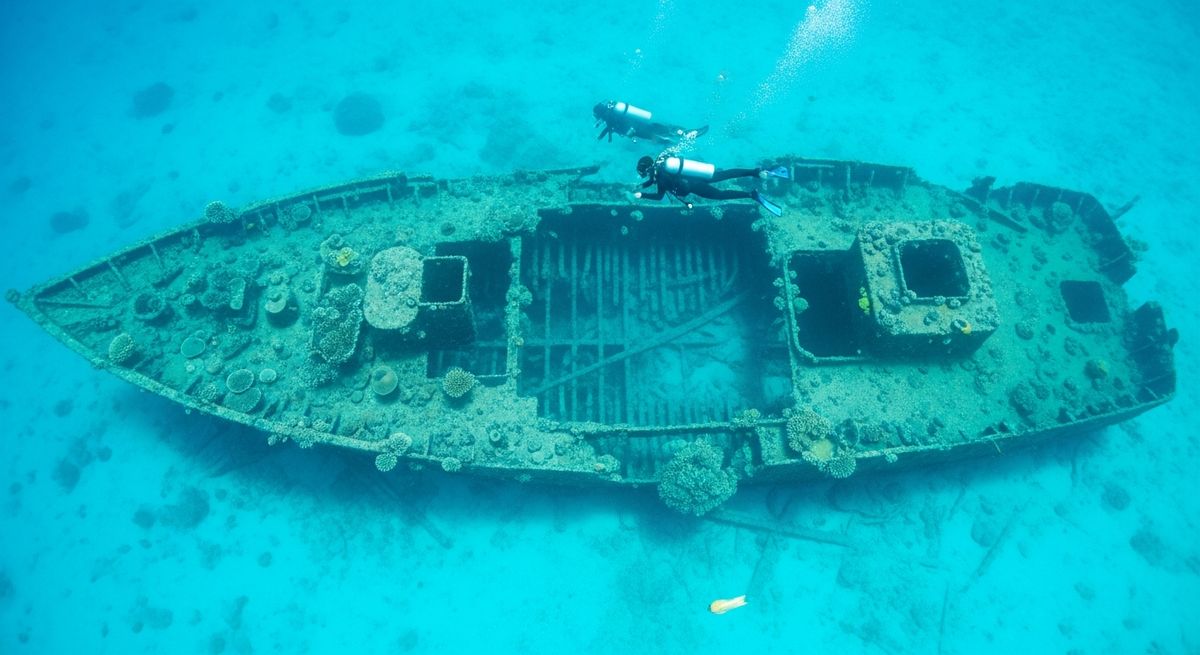
Okay, so "Artificial" in the Canaries. It’s not just a pile of rubble; this site is a proper journey. We love heading out here, especially on a calm morning, because the way the light filters through the water and hits the deliberately placed structures is something else. You descend onto what feels like an underwater sculpture park, a collection of concrete blocks and shapes, all designed to invite life. What makes it special for us is how quickly nature reclaims things. These aren't ancient ruins, but already, every crevice, every overhang, hosts something interesting. We've seen moray eels peeking out from pipes, schools of barracuda circling the taller structures, and the nudibranchs here are surprisingly prolific if you take your time to look closely at the encrusting sponges. It feels a bit like diving in a submerged art installation that’s constantly evolving. This spot is great for intermediate divers who appreciate the subtle beauty of a developing ecosystem. You can spend an entire dive just navigating the different sections, finding new things tucked away. Our pick for the best experience? Go slow, really poke around the nooks and crannies. You’ll be rewarded with more than just fish - it’s a masterclass in how an artificial reef comes alive.
Typical Artificial Dive Profile
Illustrative profile based on site depth and type. Actual dive profiles vary - always follow your dive computer and training.
Safety Notes
Depth of 20m - Advanced Open Water certification recommended.
Wreck site - avoid penetration without wreck diving certification. Watch for sharp metal and entanglement hazards.
Always perform a 3-minute safety stop at 5m before surfacing.
Artificial Wreck History
Vessel Type
unknown
Cause
scuttled
Deliberately scuttled to create a new underwater habitat, this artificial reef is a testament to marine conservation efforts in the Canary Islands. The practice of sinking prepared vessels and structures provides a solid foundation for new life to take hold, relieving pressure on natural reefs and creating exciting new dive sites. Resting at a comfortable 20 metres, this wreck was carefully cleaned and made safe for divers before its descent. It now serves as a thriving underwater oasis, attracting a huge variety of the region's famed marine life. Divers can explore the structure as it slowly transforms into a living reef, encrusted with sponges and algae, while schools of damselfish, bream, and barracuda patrol the clear Atlantic waters.
Nearest Dive Centres to Artificial
Dive shops near Artificial
Nautico Dive Academy
Scuba Sur Gran Canaria
Go Diving
Ocean Fit
Leagues Ahead Diving
Puerto Rico diving
Reviews for Artificial
Conditions
Ocean conditions, forecast and tides for Artificial
Artificial Ocean Conditions
Monthly averages for Artificial, sourced from Open-Meteo marine data + Copernicus Marine (EU) - nearest station: Open-Meteo marine grid (28.18, -15.41) (10km away)
October Averages
Sea Temperature
24°C
74°F · Range: 22.2–25.4°C
Current Speed
10 cm/s
Direction: SE (126.9°)
Chlorophyll-a
0.081 mg/m³
Very clear (oligotrophic)
Salinity
36.89 PSU
Based on 4 years of monitoring data · Data sources: Open-Meteo marine data + Copernicus Marine (EU)
Plan & book
Ways to dive Canary Islands, from day trips to liveaboards.
Day trips & courses
via GetYourGuideGuided dives, courses and snorkel trips with instant booking.
Find dive trips in Canary IslandsPlaces to stay
via Booking.comHotels and dive resorts near Canary Islands.
Search stays in Canary IslandsDive insurance
Most travel insurance excludes or limits scuba. Check what you need before you go.
Dive insurance explainedPartner links: we may earn a commission if you book, at no extra cost to you. How we make money
Where to Stay near Artificial
Prices from Booking.com. We may earn a commission at no extra cost to you.