H A BRIGHTMAN
Protected Area
Durham
Why dive here
With 112+ marine species recorded in the area - including dolphins, dwarf minke whales, humpback whales, ocean sunfish (mola mola) and orcas - H A BRIGHTMAN offers some of Scottish East Coast & Borders's richest wreck diving.
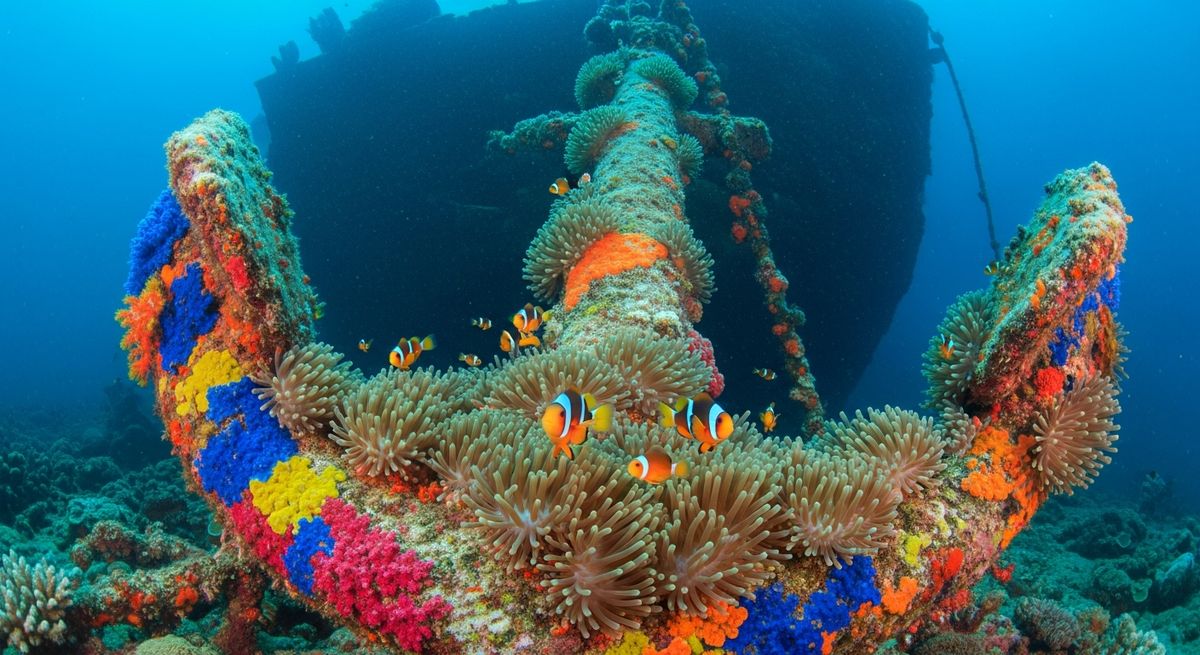
The H A Brightman isn't a wreck you'll find plastered across dive magazines, and that's precisely why we love it. Sunk way back in 1879, this old steamship sits upright on a sandy seabed at 20 metres, making it surprisingly accessible for a wreck of its age in Scottish waters. We’ve had some fantastic dives here. What really strikes you is the scale and the intactness for something so old; her bows are still sharp, pushing into the current. You can trace the entire length, from bow to stern, and the single boiler is a real focal point, surrounded by a swirling mass of wrasse and cod. We’ve found conger eels tucked into the darker recesses of the hold, their heads peering out like grumpy landlords. The decks have collapsed, of course, but the ribs of the hull stand proud, creating these eerie swim-throughs that are just begging to be explored, especially when the light filters down through the green water. Visibility can be a bit variable, but when it's good, say 8-10 metres, it's just magical. It’s a site that really rewards a slow, methodical exploration. We’d suggest a slack water dive for the best experience. It's a proper piece of history down there.
Typical H A BRIGHTMAN Dive Profile
Illustrative profile based on site depth and type. Actual dive profiles vary - always follow your dive computer and training.
Safety Notes
Depth of 20m - Advanced Open Water certification recommended.
Wreck site - avoid penetration without wreck diving certification. Watch for sharp metal and entanglement hazards.
Always perform a 3-minute safety stop at 5m before surfacing.
Nearest Dive Centres to H A BRIGHTMAN
Dive shops near H A BRIGHTMAN
Sunderland Scuba Centre
The Diving Centre Ltd
Aquanorth
Scuba-Life
Aqua Purists
Newcastle University Sub Aqua Society
Reviews for H A BRIGHTMAN
Conditions
Ocean conditions, forecast and tides for H A BRIGHTMAN
Plan & book
Ways to dive Scottish East Coast & Borders, from day trips to liveaboards.
Day trips & courses
via GetYourGuideGuided dives, courses and snorkel trips with instant booking.
Find dive trips in Scottish East Coast & BordersPlaces to stay
via Booking.comHotels and dive resorts near Scottish East Coast & Borders.
Search stays in Scottish East Coast & BordersDive insurance
Most travel insurance excludes or limits scuba. Check what you need before you go.
Dive insurance explainedPartner links: we may earn a commission if you book, at no extra cost to you. How we make money
Where to Stay near H A BRIGHTMAN
Prices from Booking.com. We may earn a commission at no extra cost to you.