HMS ARGYLL
Protected Area
Elliot Links
Why dive here
With 112+ marine species recorded in the area - including dolphins, dwarf minke whales, humpback whales, ocean sunfish (mola mola) and orcas - HMS ARGYLL offers some of Scottish East Coast & Borders's richest wreck diving.
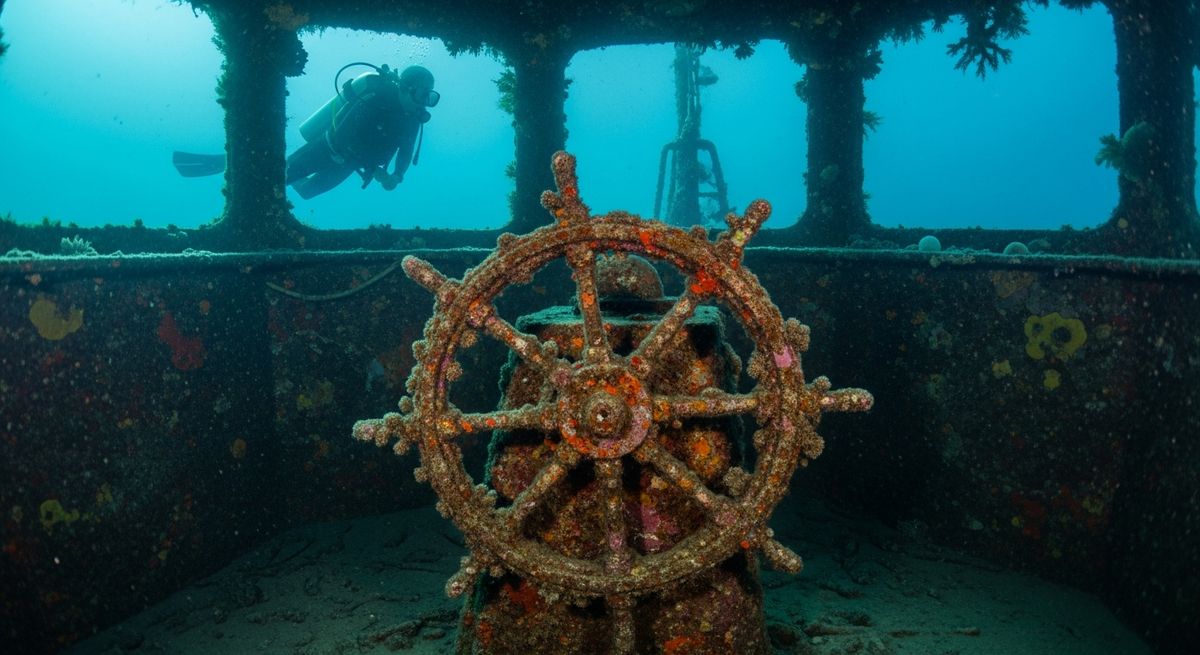
The HMS Argyll, a casualty of poor navigation in 1915, now sits broken but fascinating in just 8 metres of water. We love this wreck for its accessibility and sheer scale. She was a big ship, over 137 metres long, and while the sea has had its way with her, there’s still plenty to explore. You’ll find sections of hull plating, heavy machinery, and the skeletal remains of her structure scattered across the seabed. Light filters beautifully through the shallow water, illuminating the kelp and anenomes that have colonised the metal. Look closely and you’ll spot wrasse darting between the plates, crabs scuttling in crevices, and if you’re lucky, a curious seal might pass by. It’s an ideal site for less experienced wreck divers, or anyone who appreciates the history that lies beneath. Our top tip: aim for a slack tide and good visibility, which we've found often coincides with a calm day after a few days of settled weather.
Typical HMS ARGYLL Dive Profile
Illustrative profile based on site depth and type. Actual dive profiles vary - always follow your dive computer and training.
Safety Notes
Wreck site - avoid penetration without wreck diving certification. Watch for sharp metal and entanglement hazards.
Reviews for HMS ARGYLL
Conditions
Ocean conditions, forecast and tides for HMS ARGYLL
Plan & book
Ways to dive Scottish East Coast & Borders, from day trips to liveaboards.
Day trips & courses
via GetYourGuideGuided dives, courses and snorkel trips with instant booking.
Find dive trips in Scottish East Coast & BordersPlaces to stay
via Booking.comHotels and dive resorts near Scottish East Coast & Borders.
Search stays in Scottish East Coast & BordersDive insurance
Most travel insurance excludes or limits scuba. Check what you need before you go.
Dive insurance explainedPartner links: we may earn a commission if you book, at no extra cost to you. How we make money
Where to Stay near HMS ARGYLL
Prices from Booking.com. We may earn a commission at no extra cost to you.