HMS ELISE (POSSIBLY)
Protected Area
St Mary's Island
Why dive here
With 112+ marine species recorded in the area - including dolphins, dwarf minke whales, humpback whales, ocean sunfish (mola mola) and orcas - HMS ELISE (POSSIBLY) offers some of Scottish East Coast & Borders's richest wreck diving.
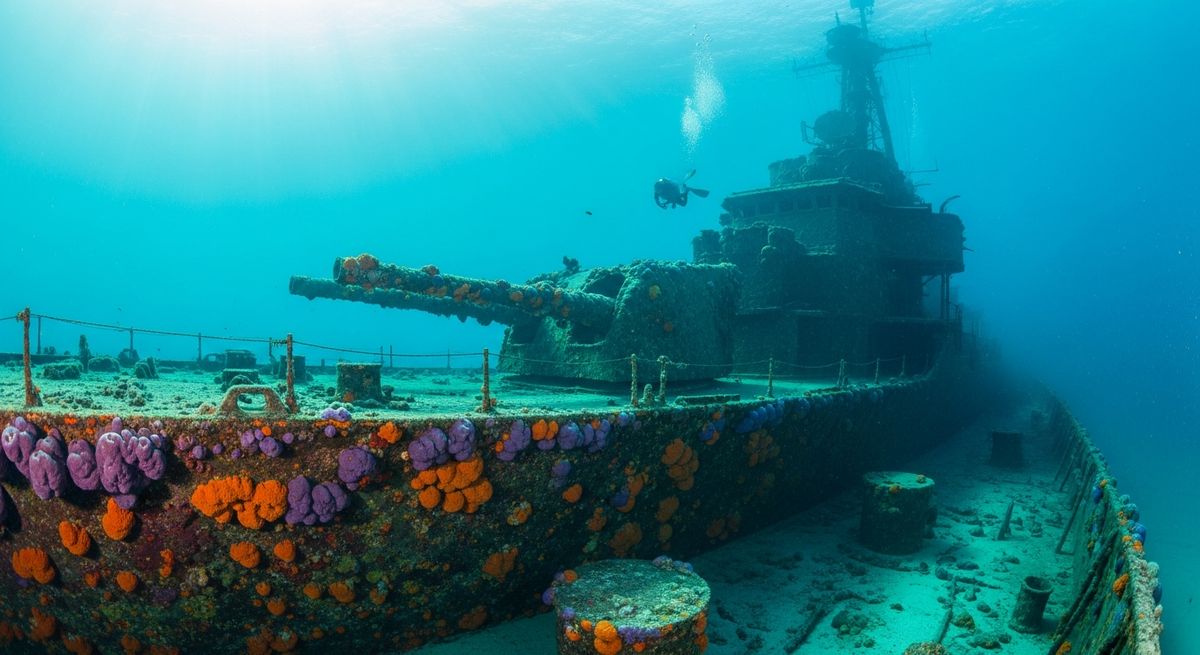
The HMS Elise, or what we strongly suspect is her, offers a fantastic jaunt into wartime history right off the Scottish coast. At a comfortable 17 metres, it’s a site we love for its accessibility and the sheer atmosphere it exudes. Dropping onto the deck, you really get a sense of this old trawler, pressed into service as an armed patrol vessel during the Great War. You can poke around the single boiler, a hulking cylinder now home to all sorts of critters, and trace the lines of the triple expansion engine. We’ve seen some hefty lobsters tucked into the nooks and crannies, and cod often cruise past, seemingly unbothered. The wreck has settled nicely, transforming into a vibrant artificial reef. It’s perfect for divers who appreciate a bit of history without the punishing depths or currents of some other North Sea wrecks. Our favourite part? The way the light filters down, illuminating the ghostly outline of the hull, especially on a calm day. Just be mindful of local tides; slack water gives you the best chance to really soak it all in.
Typical HMS ELISE (POSSIBLY) Dive Profile
Illustrative profile based on site depth and type. Actual dive profiles vary - always follow your dive computer and training.
Safety Notes
Wreck site - avoid penetration without wreck diving certification. Watch for sharp metal and entanglement hazards.
Always perform a 3-minute safety stop at 5m before surfacing.
Nearest Dive Centres to HMS ELISE (POSSIBLY)
Dive shops near HMS ELISE (POSSIBLY)
Northumbria Scuba Divers
Aquanorth
Scuba-Life
Aqua Purists
Newcastle University Sub Aqua Society
The Diving Centre Ltd
Reviews for HMS ELISE (POSSIBLY)
Conditions
Ocean conditions, forecast and tides for HMS ELISE (POSSIBLY)
Plan & book
Ways to dive Scottish East Coast & Borders, from day trips to liveaboards.
Day trips & courses
via GetYourGuideGuided dives, courses and snorkel trips with instant booking.
Find dive trips in Scottish East Coast & BordersPlaces to stay
via Booking.comHotels and dive resorts near Scottish East Coast & Borders.
Search stays in Scottish East Coast & BordersDive insurance
Most travel insurance excludes or limits scuba. Check what you need before you go.
Dive insurance explainedPartner links: we may earn a commission if you book, at no extra cost to you. How we make money
Where to Stay near HMS ELISE (POSSIBLY)
Prices from Booking.com. We may earn a commission at no extra cost to you.