JASPER
Protected Area
Isle of May
Why dive here
With 112+ marine species recorded in the area - including dolphins, dwarf minke whales, humpback whales, ocean sunfish (mola mola) and orcas - JASPER offers some of Scottish East Coast & Borders's richest wreck diving.
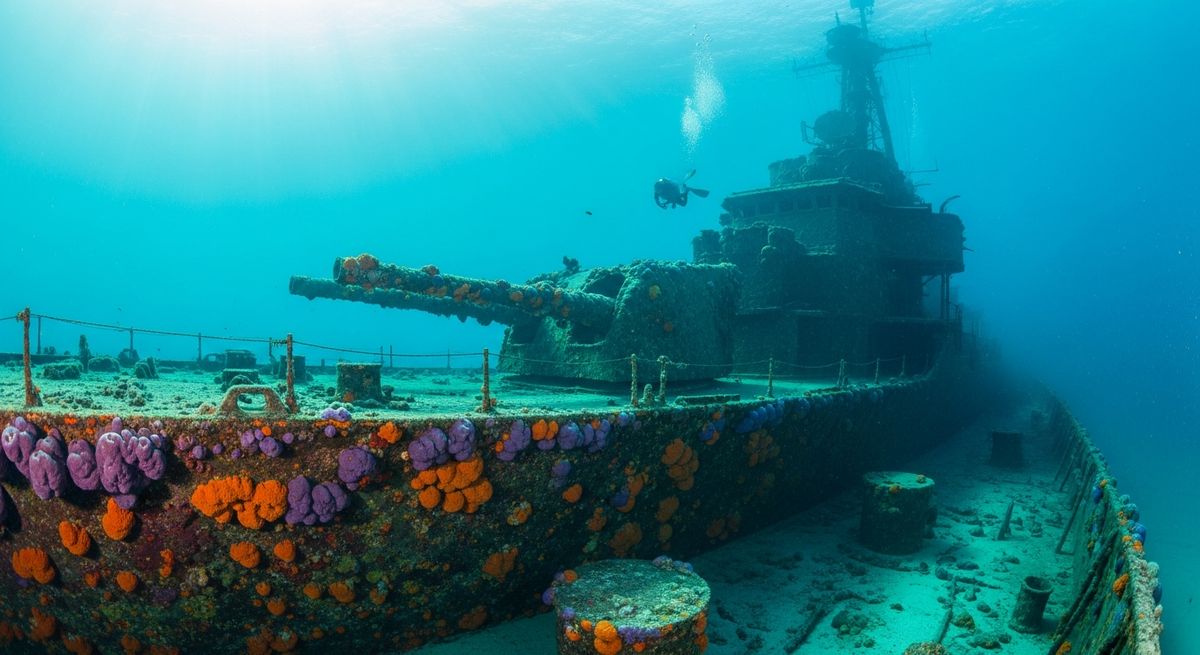
We've always had a soft spot for wrecks with a bit of history, and the *Jasper* definitely delivers. She's a steamship, built in 1883, and she ran aground back in 1894, a proper old girl. What we love about diving her is that she sits in just 10 metres of water, making it a really relaxed dive, even for those newer to wreck diving. The *Jasper* is pretty broken up now, but you can still make out her general shape, and the single boiler is a real focal point, almost like a monumental headstone on the seabed. The Scottish East Coast can throw up some interesting visibility, but on a good day, when that sun breaks through, the *Jasper* takes on this ethereal glow. You'll find plenty of inquisitive wrasse darting in and out of the plating, and the anemones really cling to the exposed metal, creating these colourful patches. We always recommend timing your dive for slack water; it makes exploring the scattered debris much more enjoyable, letting you really take your time and imagine her final moments. It’s a dive that speaks to the past, a quiet exploration of a working ship now home to the present-day ocean dwellers.
Typical JASPER Dive Profile
Illustrative profile based on site depth and type. Actual dive profiles vary - always follow your dive computer and training.
Safety Notes
Wreck site - avoid penetration without wreck diving certification. Watch for sharp metal and entanglement hazards.
Nearest Dive Centres to JASPER
Dive shops near JASPER
View all dive centres in Scottish East Coast & BordersReviews for JASPER
Conditions
Ocean conditions, forecast and tides for JASPER
Plan & book
Ways to dive Scottish East Coast & Borders, from day trips to liveaboards.
Day trips & courses
via GetYourGuideGuided dives, courses and snorkel trips with instant booking.
Find dive trips in Scottish East Coast & BordersPlaces to stay
via Booking.comHotels and dive resorts near Scottish East Coast & Borders.
Search stays in Scottish East Coast & BordersDive insurance
Most travel insurance excludes or limits scuba. Check what you need before you go.
Dive insurance explainedPartner links: we may earn a commission if you book, at no extra cost to you. How we make money
Where to Stay near JASPER
Prices from Booking.com. We may earn a commission at no extra cost to you.