LLWYNGWAIR (POSSIBLY)
Protected Area
Durham
Why dive here
With 112+ marine species recorded in the area - including dolphins, dwarf minke whales, humpback whales, ocean sunfish (mola mola) and orcas - LLWYNGWAIR (POSSIBLY) offers some of Scottish East Coast & Borders's richest wreck diving.
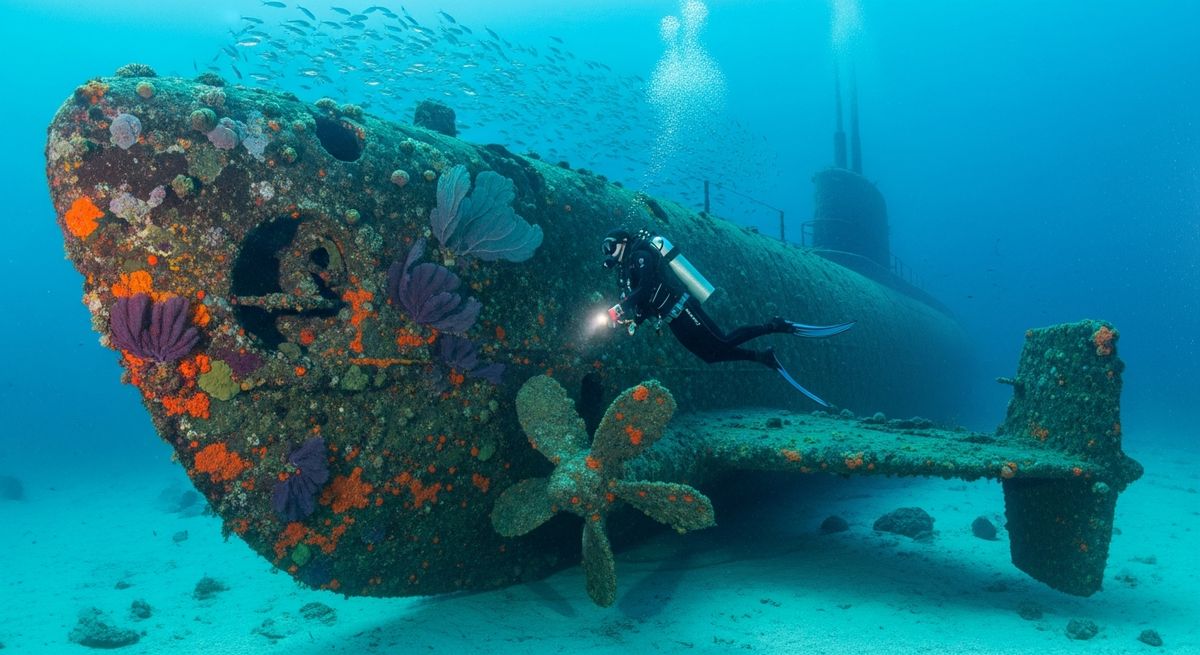
The LLWYNGWAIR, sitting upright at 43 metres, is a proper dive for those who appreciate a solid piece of history underwater. This steamship, sunk in 1918, is surprisingly intact for its age and depth. We love the way the twin boilers still dominate the midships, a stark reminder of her power. It’s dark down there, even on a sunny day, so good lights are non-negotiable. Dropping down, the visibility in this part of the North Sea can be a bit of a lottery, but when it’s good, the structure of the ship, at nearly 70 metres long, really stands out. You can spend a good chunk of a no-deco dive exploring the deck winches and cargo holds, which are now home to some impressively large cod and often a cheeky wolf fish or two tucked into the shadows. For us, the highlight is often finding the propeller shaft leading back from the triple-expansion engine, a real marvel of early 20th-century engineering. It’s a dive for experienced cold-water wreck enthusiasts, one that rewards careful planning and a keen eye for detail.
Typical LLWYNGWAIR (POSSIBLY) Dive Profile
Illustrative profile based on site depth and type. Actual dive profiles vary - always follow your dive computer and training.
Safety Notes
Maximum depth 43m exceeds recreational limits (40m). Technical diving certification and equipment required.
Wreck site - avoid penetration without wreck diving certification. Watch for sharp metal and entanglement hazards.
Always perform a 3-minute safety stop at 5m before surfacing.
Nearest Dive Centres to LLWYNGWAIR (POSSIBLY)
Dive shops near LLWYNGWAIR (POSSIBLY)
Sunderland Scuba Centre
The Diving Centre Ltd
Aquanorth
Scuba-Life
Aqua Purists
Newcastle University Sub Aqua Society
Reviews for LLWYNGWAIR (POSSIBLY)
Conditions
Ocean conditions, forecast and tides for LLWYNGWAIR (POSSIBLY)
Plan & book
Ways to dive Scottish East Coast & Borders, from day trips to liveaboards.
Day trips & courses
via GetYourGuideGuided dives, courses and snorkel trips with instant booking.
Find dive trips in Scottish East Coast & BordersPlaces to stay
via Booking.comHotels and dive resorts near Scottish East Coast & Borders.
Search stays in Scottish East Coast & BordersDive insurance
Most travel insurance excludes or limits scuba. Check what you need before you go.
Dive insurance explainedPartner links: we may earn a commission if you book, at no extra cost to you. How we make money
Where to Stay near LLWYNGWAIR (POSSIBLY)
Prices from Booking.com. We may earn a commission at no extra cost to you.