PLADDA
Protected Area
Kilminning Coast
Why dive here
With 112+ marine species recorded in the area - including dolphins, dwarf minke whales, humpback whales, ocean sunfish (mola mola) and orcas - PLADDA offers some of Scottish East Coast & Borders's richest wreck diving.
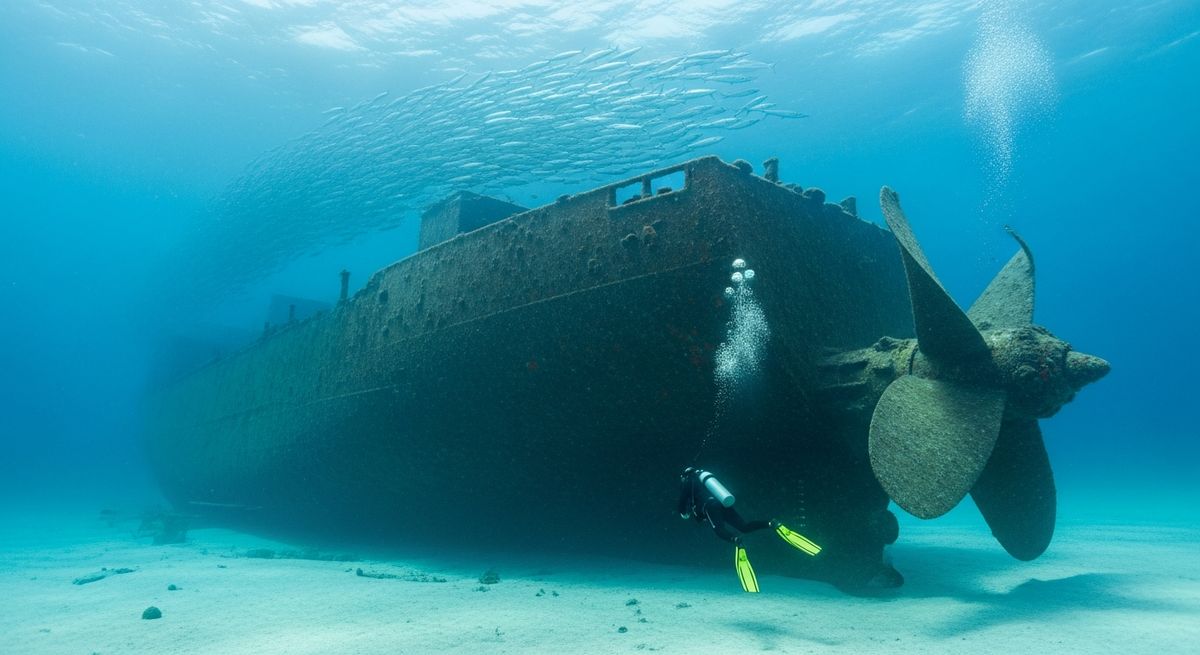
Pladda, just off the coast near Stonehaven, is one of our favourite Scottish shallow wrecks. It’s barely two metres deep at high tide, which makes it perfect for a long, relaxed dive or even some keen snorkelling. You’ll find the remains of a steamship, the Pladda, which went down way back in 1890. What we love about this site is how accessible the history feels. The wreck itself is quite broken up, but you can still make out the boiler and sections of the hull. Visibility here can vary a lot, as with most of the Scottish East Coast, but on a good day, the light filters through the kelp beautifully, illuminating the twisted metalwork. We’ve spent ages just poking around the scattered plates, spotting blennies peeking out from crevices and small crabs scuttling across the growth. It’s not a site for big pelagics, but for macro life and historical interest in gin-clear, shallow water, it’s brilliant. If you’re into underwater photography, especially wide-angle shots of kelp-draped steel, Pladda delivers. We’d suggest going at slack water on a calm day for the best experience; it truly is a different world when the sun hits it right.
Typical PLADDA Dive Profile
Illustrative profile based on site depth and type. Actual dive profiles vary - always follow your dive computer and training.
Safety Notes
Wreck site - avoid penetration without wreck diving certification. Watch for sharp metal and entanglement hazards.
Nearest Dive Centres to PLADDA
Dive shops near PLADDA
View all dive centres in Scottish East Coast & BordersReviews for PLADDA
Conditions
Ocean conditions, forecast and tides for PLADDA
Plan & book
Ways to dive Scottish East Coast & Borders, from day trips to liveaboards.
Day trips & courses
via GetYourGuideGuided dives, courses and snorkel trips with instant booking.
Find dive trips in Scottish East Coast & BordersPlaces to stay
via Booking.comHotels and dive resorts near Scottish East Coast & Borders.
Search stays in Scottish East Coast & BordersDive insurance
Most travel insurance excludes or limits scuba. Check what you need before you go.
Dive insurance explainedPartner links: we may earn a commission if you book, at no extra cost to you. How we make money
Where to Stay near PLADDA
Prices from Booking.com. We may earn a commission at no extra cost to you.