QUILLOTA
Protected Area
Noses Point
Why dive here
With 112+ marine species recorded in the area - including dolphins, dwarf minke whales, humpback whales, ocean sunfish (mola mola) and orcas - QUILLOTA offers some of Scottish East Coast & Borders's richest wreck diving.
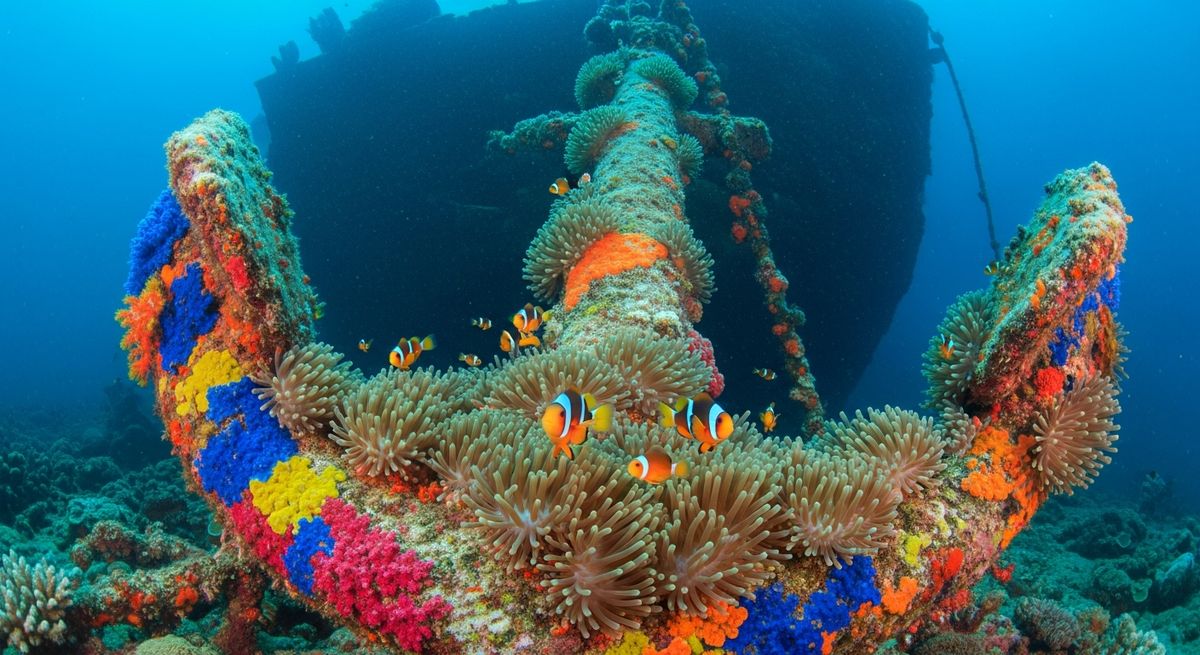
The Quillota isn't about deep dives or big pelagics. This is a shallow wreck, only 4 metres down, and it's absolutely brilliant for what it is. We love it because it’s so accessible, perfect for an extended rummage around without worrying about deco limits. She was a full-rigged iron ship, built in 1876, and she's surprisingly intact for a vessel that’s been down since 1901. You can trace her lines easily, even with the kelp swaying over the plates. Look closely and you'll spot the ribs of her hull, a dark lattice against the sandy seabed. We often see plenty of crabs scuttling in the nooks, and the occasional dogfish tucked away in a shadowed corner. The light penetration here is fantastic on a sunny day, painting everything in shades of green and gold, making those iron plates gleam. It’s a great site for photographers, especially if you like moody, atmospheric shots of history beneath the waves. Ideal for newer divers, or anyone who enjoys a relaxed potter.
Typical QUILLOTA Dive Profile
Illustrative profile based on site depth and type. Actual dive profiles vary - always follow your dive computer and training.
Safety Notes
Wreck site - avoid penetration without wreck diving certification. Watch for sharp metal and entanglement hazards.
Nearest Dive Centres to QUILLOTA
Dive shops near QUILLOTA
Sunderland Scuba Centre
The Diving Centre Ltd
Aquanorth
Scuba-Life
Aqua Purists
Newcastle University Sub Aqua Society
Reviews for QUILLOTA
Conditions
Ocean conditions, forecast and tides for QUILLOTA
Plan & book
Ways to dive Scottish East Coast & Borders, from day trips to liveaboards.
Day trips & courses
via GetYourGuideGuided dives, courses and snorkel trips with instant booking.
Find dive trips in Scottish East Coast & BordersPlaces to stay
via Booking.comHotels and dive resorts near Scottish East Coast & Borders.
Search stays in Scottish East Coast & BordersDive insurance
Most travel insurance excludes or limits scuba. Check what you need before you go.
Dive insurance explainedPartner links: we may earn a commission if you book, at no extra cost to you. How we make money
Where to Stay near QUILLOTA
Prices from Booking.com. We may earn a commission at no extra cost to you.