ZEPHYROS (POSSIBLY)
Protected Area
Tynemouth to Seaton Sluice
Why dive here
With 112+ marine species recorded in the area - including dolphins, dwarf minke whales, humpback whales, ocean sunfish (mola mola) and orcas - ZEPHYROS (POSSIBLY) offers some of Scottish East Coast & Borders's richest wreck diving.
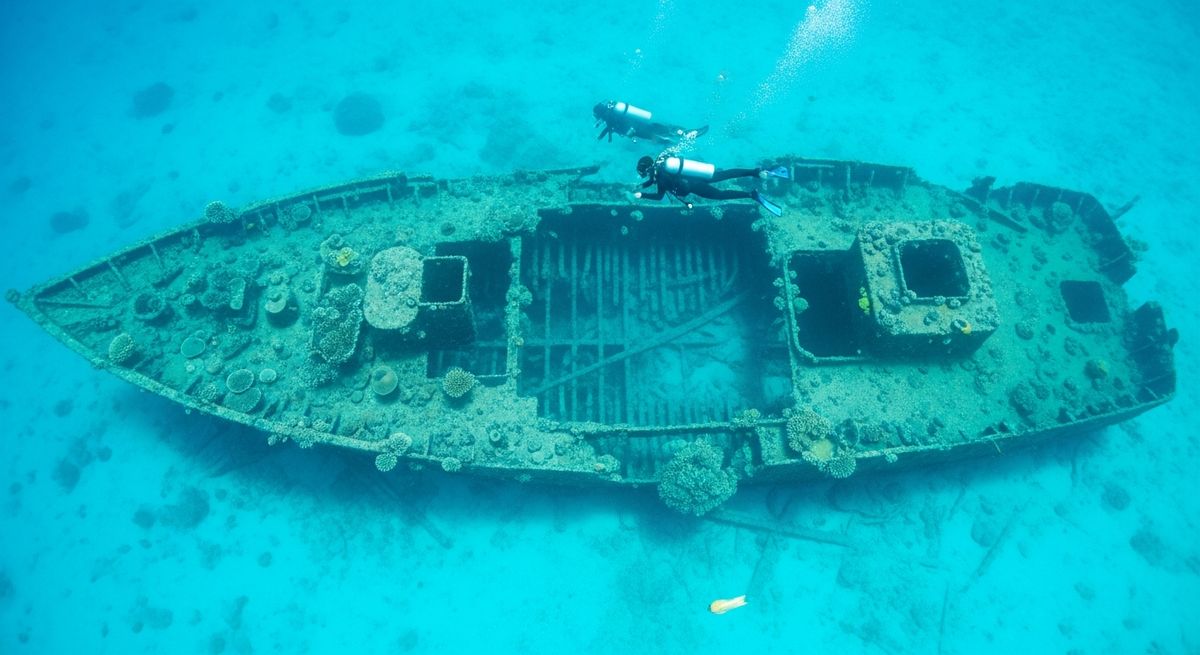
The Zephyros isn't just a wreck; it's a testament to the North Sea’s power, even lying in just two metres of water. We love a good shallow dive, especially when it means extended bottom time on a piece of history. This old steamship, sunk back in '47, stretches out at a surprising 121 metres. When you hit the water, the first thing you notice is the sheer scale, even if it’s heavily broken up. You’ll find yourself finning over a scattering of metal plates and the imposing remains of her three boilers, which are our favourite part to explore. They’re absolutely covered in plumose anemones, swaying gently with the surge. Because it’s so shallow, the light penetration is incredible on a sunny day, illuminating the rusty ironwork and bringing out the colours of the anemones and the occasional ballan wrasse darting between crevices. It's an easy dive, perfect for newer divers looking for a genuine wreck experience without the depth, or for photographers wanting to play with ambient light. Just keep an eye on the swell; even at two metres, a choppy day can make it a bit of a tumble dryer.
Typical ZEPHYROS (POSSIBLY) Dive Profile
Illustrative profile based on site depth and type. Actual dive profiles vary - always follow your dive computer and training.
Safety Notes
Wreck site - avoid penetration without wreck diving certification. Watch for sharp metal and entanglement hazards.
Nearest Dive Centres to ZEPHYROS (POSSIBLY)
Dive shops near ZEPHYROS (POSSIBLY)
Aquanorth
Northumbria Scuba Divers
Scuba-Life
The Diving Centre Ltd
Aqua Purists
Newcastle University Sub Aqua Society
Reviews for ZEPHYROS (POSSIBLY)
Conditions
Ocean conditions, forecast and tides for ZEPHYROS (POSSIBLY)
Plan & book
Ways to dive Scottish East Coast & Borders, from day trips to liveaboards.
Day trips & courses
via GetYourGuideGuided dives, courses and snorkel trips with instant booking.
Find dive trips in Scottish East Coast & BordersPlaces to stay
via Booking.comHotels and dive resorts near Scottish East Coast & Borders.
Search stays in Scottish East Coast & BordersDive insurance
Most travel insurance excludes or limits scuba. Check what you need before you go.
Dive insurance explainedPartner links: we may earn a commission if you book, at no extra cost to you. How we make money
Where to Stay near ZEPHYROS (POSSIBLY)
Prices from Booking.com. We may earn a commission at no extra cost to you.