The Southern Atolls
Protected Area
Hithadhoo Kulhi aai Vashaigenvaa Sarahahdhu
Why dive here
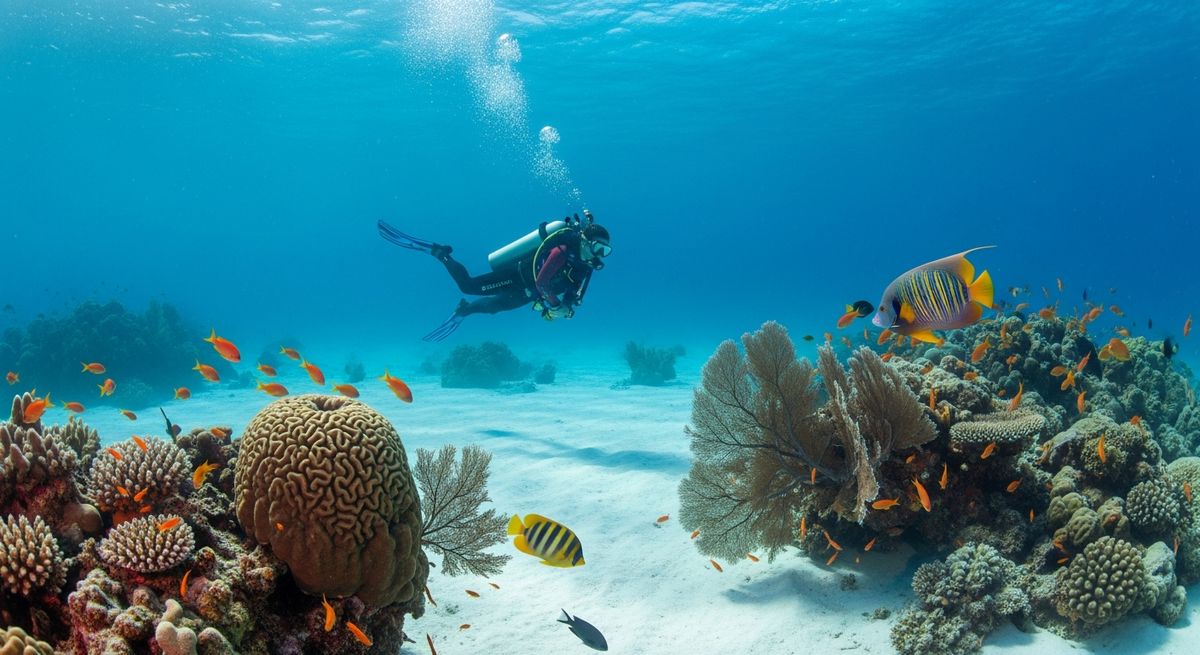
With 45+ marine species recorded in the area - including barracuda, blacktip reef sharks, blue sharks, sea turtles and whale sharks - The Southern Atolls offers some of Vaavu Atoll's richest diving. Water ranges 29-31°C, warmest April, May, July.
Heading further south from the main Vaavu Atoll sites, you’ll find yourself in channels that feel a little less trodden. We're talking about the drift dives around Laamu, Meemu, Thaa, and Vaavu itself, where the currents really bring in the action. Think big stuff: grey reef sharks patrolling the channel edges, inquisitive eagle rays gliding past, and schools of jacks and tuna zipping through the blue. You’ll often find yourself eye-to-eye with a whitetip shark resting in an overhang, or if luck’s on your side, a whale shark cruising by. These are dives for those who enjoy a bit of current and a lot of pelagic encounters.
Nearest Dive Centres to The Southern Atolls
Dive shops near The Southern Atolls
The Residence Dhigurah - Dive & Water Sports
Suvadiva Divers Maldives
Blue Journeys
Deep
MSTS Dive Club
Aquafanatics @NH Havodda
Reviews for The Southern Atolls
Conditions
Ocean conditions, forecast and tides for The Southern Atolls
The Southern Atolls Ocean Conditions
Monthly averages for The Southern Atolls, sourced from Open-Meteo marine data + Copernicus Marine (EU) - nearest station: Open-Meteo marine grid (1.8, 73.35) (23km away)
October Averages
Sea Temperature
30°C
85°F · Range: 28.5–30.9°C
Current Speed
9.85 cm/s
Direction: NE (66°)
Chlorophyll-a
0.137 mg/m³
Clear water
Salinity
35.12 PSU
Based on 4 years of monitoring data · Data sources: Open-Meteo marine data + Copernicus Marine (EU)
Plan & book
Ways to dive Vaavu Atoll, from day trips to liveaboards.
Day trips & courses
via GetYourGuideGuided dives, courses and snorkel trips with instant booking.
Find dive trips in Vaavu AtollPlaces to stay
via Booking.comHotels and dive resorts near Vaavu Atoll.
Search stays in Vaavu AtollDive insurance
Most travel insurance excludes or limits scuba. Check what you need before you go.
Dive insurance explainedPartner links: we may earn a commission if you book, at no extra cost to you. How we make money
Where to Stay near The Southern Atolls
Prices from Booking.com. We may earn a commission at no extra cost to you.