GOEL NO.1
Protected Area
Robben island Marine Protected Area
Why dive here
With 269+ marine species recorded in the area - including blue sharks, blue whales, dolphins, dwarf minke whales and great white sharks - GOEL NO.1 offers some of Cape Town & Western Cape's richest wreck diving. Water ranges 14-16°C, warmest February, March, April.
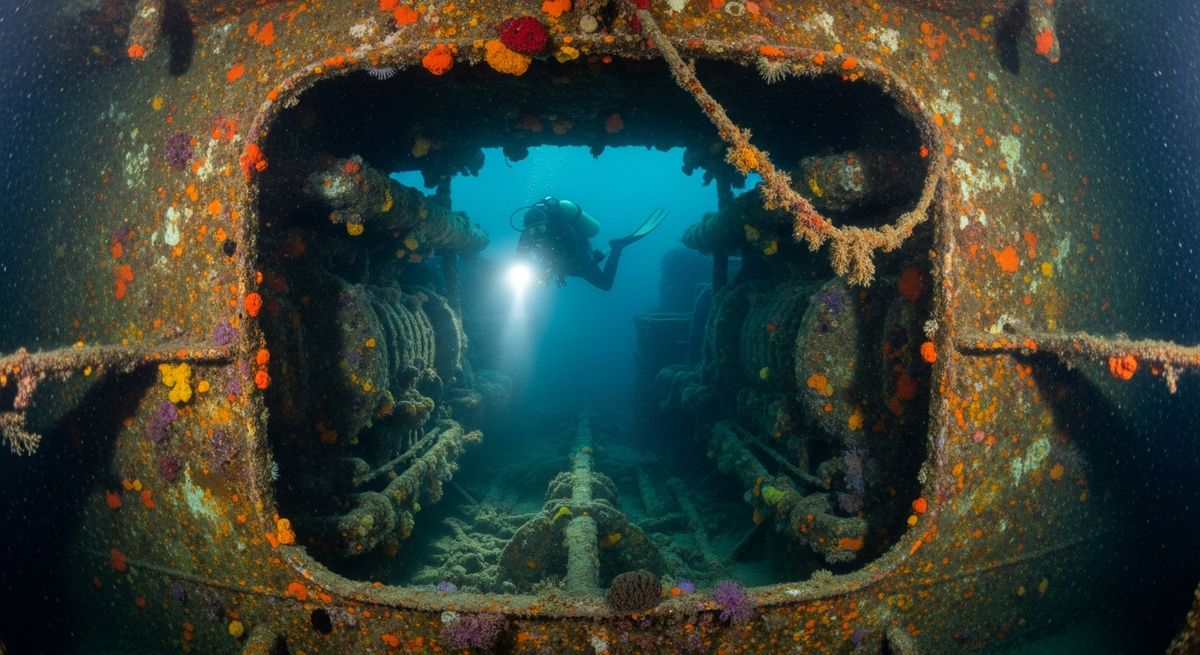
The GOEL NO.1 is one of those easy-access wrecks we always circle back to, especially when the southeasterly winds are kicking up a fuss elsewhere. It sits in a paltry 3 metres of water, so it’s less of a dive and more of a snorkel, but don’t let that deter you. We love just how much of the old fishing vessel is still there, scattered across the sand. You can trace the deck plates, the ribs of the hull, and even some of the engine components, all encrusted with sea anemones and the occasional nudibranch. Visibility can be a bit variable here, depending on surge, but on a calm day, it’s remarkably clear. We’ve spent hours just drifting over the debris field, watching schools of juvenile hottentot dart through the metalwork and octopuses peek out from under sections of twisted steel. It's a fantastic spot for photographers looking for interesting light and shallow wreck details. Our tip: go on a rising tide for the calmest conditions and best light penetration, and keep an eye out for the shy klipfish hiding amongst the rust. Perfect for a relaxed afternoon with a camera.
Typical GOEL NO.1 Dive Profile
Illustrative profile based on site depth and type. Actual dive profiles vary - always follow your dive computer and training.
Safety Notes
Wreck site - avoid penetration without wreck diving certification. Watch for sharp metal and entanglement hazards.
Cold water this month (avg 15°C). Drysuit or thick wetsuit (7mm+) recommended.
Nearest Dive Centres to GOEL NO.1
Dive shops near GOEL NO.1
Best Kiteboarding Africa
Into the Blue Scuba
Two Oceans Aquarium
Dive Action
Coral Wetsuits
Kelp Divers
Reviews for GOEL NO.1
Conditions
Ocean conditions, forecast and tides for GOEL NO.1
GOEL NO.1 Ocean Conditions
Monthly averages for GOEL NO.1, sourced from Open-Meteo marine data - nearest station: Open-Meteo marine grid (-33.92, 18.46) (8km away)
October Averages
Sea Temperature
15°C
59°F · Range: 12.4–17.2°C
Air Temperature
17°C
62°F
Wind Speed
7.33 m/s
14.2 knots
Atmospheric Pressure
1018.1 hPa
Based on 4 years of monitoring data · Data sources: Open-Meteo marine data
Plan & book
Ways to dive Cape Town & Western Cape, from day trips to liveaboards.
Day trips & courses
via GetYourGuideGuided dives, courses and snorkel trips with instant booking.
Find dive trips in Cape Town & Western CapePlaces to stay
via Booking.comHotels and dive resorts near Cape Town & Western Cape.
Search stays in Cape Town & Western CapeDive insurance
Most travel insurance excludes or limits scuba. Check what you need before you go.
Dive insurance explainedPartner links: we may earn a commission if you book, at no extra cost to you. How we make money
Where to Stay near GOEL NO.1
Prices from Booking.com. We may earn a commission at no extra cost to you.