KAKAPO
Protected Area
Table Mountain National Park Marine Protected Area
Why dive here
With 269+ marine species recorded in the area - including blue sharks, blue whales, dolphins, dwarf minke whales and great white sharks - KAKAPO offers some of Cape Town & Western Cape's richest wreck diving. Water ranges 14-16°C, warmest February, March, April.
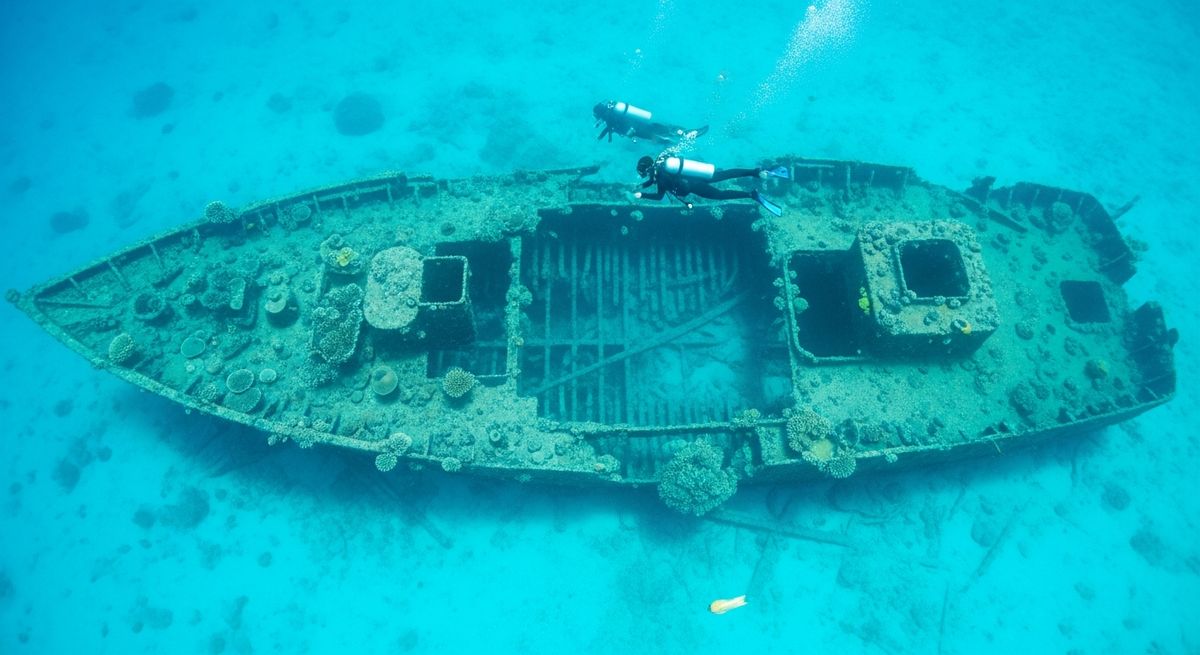
The Kakapo, now this is a proper Cape Town classic, and one we find ourselves returning to often. It’s an old steamship, ran aground back in 1900 on her maiden voyage – quite the story, really. What we love about the Kakapo is how accessible it is, sitting in only five metres of water. You can spend ages poking around the scattered plates and twisted metal. The real draw here isn’t necessarily the structure of a complete ship, but the way the ocean has completely reclaimed it. We’ve seen octopuses peeking out from under a broken boiler, and schools of Hottentot fish darting between the ribs of the hull. It’s an easy, relaxed dive, perfect for photographers wanting to capture those moody, kelp-filtered light rays or newer divers getting comfortable with wreck exploration. We’d suggest going on a calm day; even at five metres, a bit of surge can really kick up the sand and drop visibility. Look for the distinct, heavy chain draped over some sections; it’s a good indicator you’re right in the heart of the wreckage.
Typical KAKAPO Dive Profile
Illustrative profile based on site depth and type. Actual dive profiles vary - always follow your dive computer and training.
Safety Notes
Wreck site - avoid penetration without wreck diving certification. Watch for sharp metal and entanglement hazards.
Cold water this month (avg 15°C). Drysuit or thick wetsuit (7mm+) recommended.
Nearest Dive Centres to KAKAPO
Dive shops near KAKAPO
Scuba Shack
Learn to Dive Today
Cape Town Dive Centre
Pisces Divers
Ollava
Blue Flash
Reviews for KAKAPO
Conditions
Ocean conditions, forecast and tides for KAKAPO
KAKAPO Ocean Conditions
Monthly averages for KAKAPO, sourced from Open-Meteo marine data - nearest station: Open-Meteo marine grid (-33.92, 18.46) (8km away)
October Averages
Sea Temperature
15°C
59°F · Range: 12.4–17.2°C
Air Temperature
17°C
62°F
Wind Speed
7.33 m/s
14.2 knots
Atmospheric Pressure
1018.1 hPa
Based on 4 years of monitoring data · Data sources: Open-Meteo marine data
Plan & book
Ways to dive Cape Town & Western Cape, from day trips to liveaboards.
Day trips & courses
via GetYourGuideGuided dives, courses and snorkel trips with instant booking.
Find dive trips in Cape Town & Western CapePlaces to stay
via Booking.comHotels and dive resorts near Cape Town & Western Cape.
Search stays in Cape Town & Western CapeDive insurance
Most travel insurance excludes or limits scuba. Check what you need before you go.
Dive insurance explainedPartner links: we may earn a commission if you book, at no extra cost to you. How we make money
Where to Stay near KAKAPO
Prices from Booking.com. We may earn a commission at no extra cost to you.