Stonehenge
Protected Area
Duikerklip Provincial Nature Reserve
Why dive here
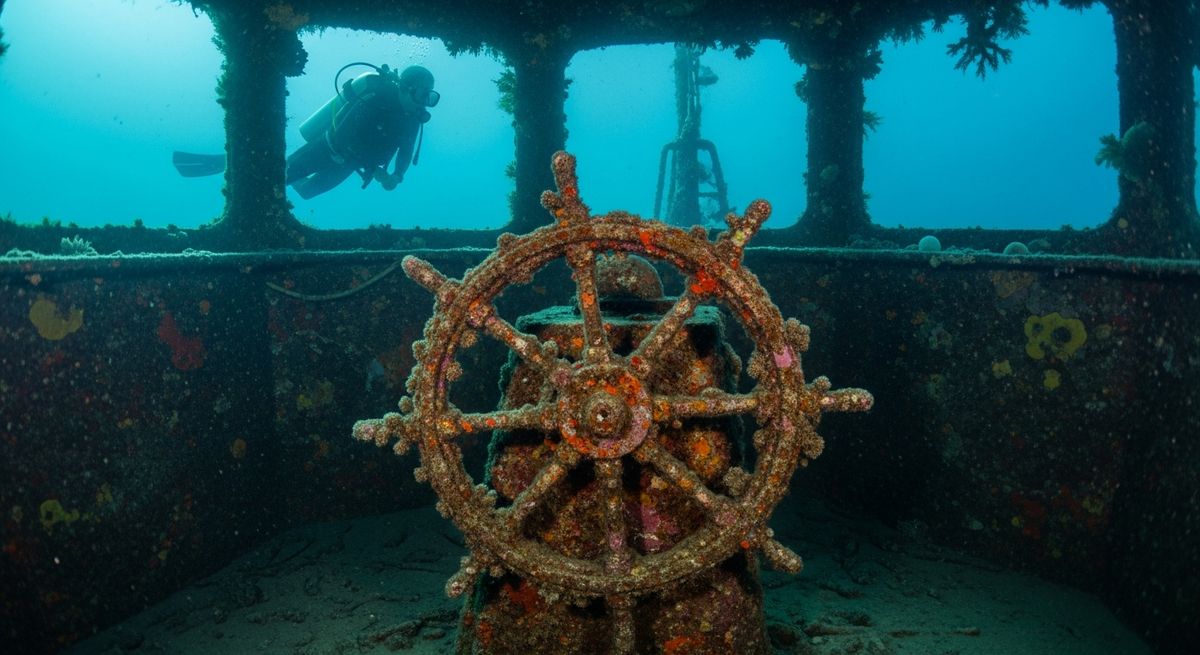
With 269+ marine species recorded in the area - including blue sharks, blue whales, dolphins, dwarf minke whales and great white sharks - Stonehenge offers some of Cape Town & Western Cape's richest wreck diving. Water ranges 14-16°C, warmest February, March, April.
Stonehenge, not the ancient monument, but a series of massive granite boulders just off Cape Town’s coastline, offers a dive that feels genuinely epic. We love how the light filters through the kelp forest here, creating these emerald shafts that crisscross the water. You drop down to a maximum of 19 meters, weaving through gullies and under overhangs, feeling the cool surge of the Atlantic push you gently along. This isn't your typical colourful reef; it's a moody, rugged landscape that buzzes with life. Keep an eye out for the shy pyjama sharks tucked into crevices, or the playful Cape fur seals that often dart past, curious but quick. We've often seen schools of hottentot fish shimmering over the rocks, and if you’re lucky, a broadnose seven-gill shark might glide past in the deeper sections. It’s a site that rewards slower exploration, perfect for divers who appreciate dramatic topography and a chance to spot some larger pelagics in a truly wild setting. The deeper parts with their swim-throughs are our favourite, but even the shallower areas hold plenty of interesting finds.
Safety Notes
Wreck site - avoid penetration without wreck diving certification. Watch for sharp metal and entanglement hazards.
Cold water this month (avg 15°C). Drysuit or thick wetsuit (7mm+) recommended.
Nearest Dive Centres to Stonehenge
Dive shops near Stonehenge
Scuba Shack
Learn to Dive Today
Blue Flash
Orca Diving Academy
DiveInn Cape Town
False Bay Underwater Club
Reviews for Stonehenge
Conditions
Ocean conditions, forecast and tides for Stonehenge
Stonehenge Ocean Conditions
Monthly averages for Stonehenge, sourced from Open-Meteo marine data - nearest station: Open-Meteo marine grid (-33.92, 18.46) (8km away)
October Averages
Sea Temperature
15°C
59°F · Range: 12.4–17.2°C
Air Temperature
17°C
62°F
Wind Speed
7.33 m/s
14.2 knots
Atmospheric Pressure
1018.1 hPa
Based on 4 years of monitoring data · Data sources: Open-Meteo marine data
Plan & book
Ways to dive Cape Town & Western Cape, from day trips to liveaboards.
Day trips & courses
via GetYourGuideGuided dives, courses and snorkel trips with instant booking.
Find dive trips in Cape Town & Western CapePlaces to stay
via Booking.comHotels and dive resorts near Cape Town & Western Cape.
Search stays in Cape Town & Western CapeDive insurance
Most travel insurance excludes or limits scuba. Check what you need before you go.
Dive insurance explainedPartner links: we may earn a commission if you book, at no extra cost to you. How we make money
Where to Stay near Stonehenge
Prices from Booking.com. We may earn a commission at no extra cost to you.