CLAN SHAW (PART OF) (POSSIBLY)
Protected Area
Tayport - Tentsmuir Coast
Why dive here
With 112+ marine species recorded in the area - including dolphins, dwarf minke whales, humpback whales, ocean sunfish (mola mola) and orcas - CLAN SHAW (PART OF) (POSSIBLY) offers some of Scottish East Coast & Borders's richest wreck diving.
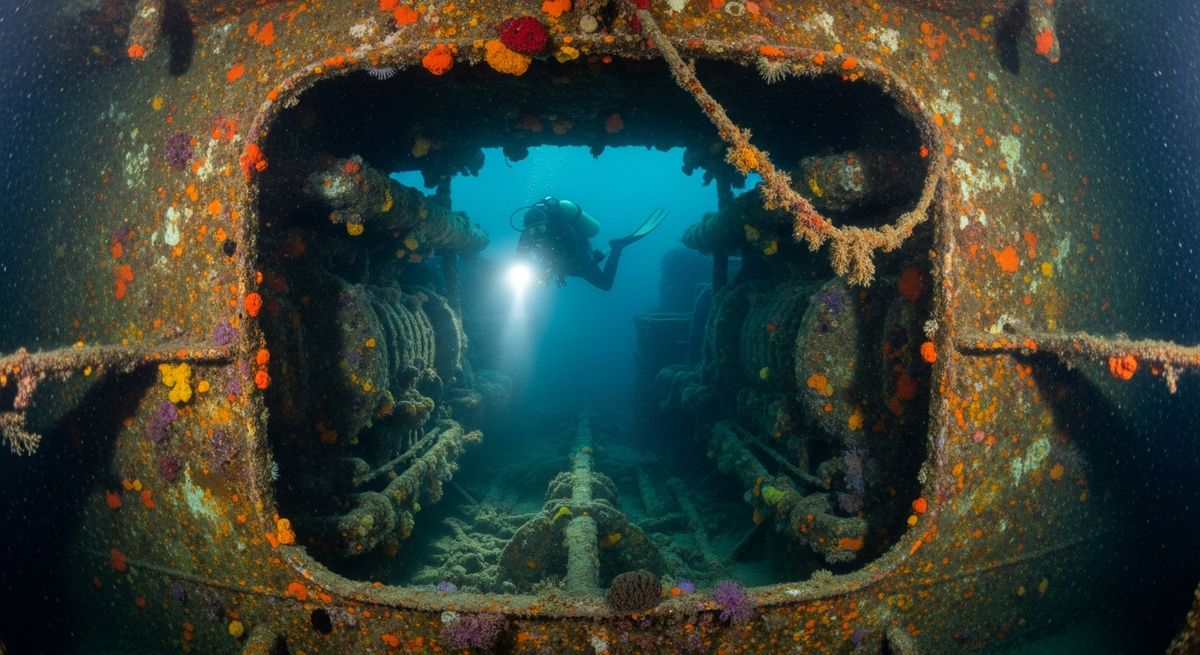
The Clan Shaw, or what we believe is the Clan Shaw, offers a real taste of Scottish wreck diving without the usual teeth-chattering depth. Dropping onto the site, you're immediately struck by the sheer scale of the scattered remains. We love how the hull plates, twisted and torn, create little caverns and overhangs, perfect for snooping around with a torch. It's a shallow dive, topping out at just 10 metres, so you get plenty of bottom time to really soak it all in. Look for the three large boilers – they're always a highlight, often draped in dead man's fingers and swarming with tiny crustaceans. The site hums with life, from the scuttling crabs in every crevice to the occasional inquisitive pollack shadowing you through the gloom. It’s a site that rewards a slow, deliberate exploration; perfect for wreck enthusiasts who appreciate history and don't mind a bit of a current.
Typical CLAN SHAW (PART OF) (POSSIBLY) Dive Profile
Illustrative profile based on site depth and type. Actual dive profiles vary - always follow your dive computer and training.
Safety Notes
Wreck site - avoid penetration without wreck diving certification. Watch for sharp metal and entanglement hazards.
Reviews for CLAN SHAW (PART OF) (POSSIBLY)
Conditions
Ocean conditions, forecast and tides for CLAN SHAW (PART OF) (POSSIBLY)
Plan & book
Ways to dive Scottish East Coast & Borders, from day trips to liveaboards.
Day trips & courses
via GetYourGuideGuided dives, courses and snorkel trips with instant booking.
Find dive trips in Scottish East Coast & BordersPlaces to stay
via Booking.comHotels and dive resorts near Scottish East Coast & Borders.
Search stays in Scottish East Coast & BordersDive insurance
Most travel insurance excludes or limits scuba. Check what you need before you go.
Dive insurance explainedPartner links: we may earn a commission if you book, at no extra cost to you. How we make money
Where to Stay near CLAN SHAW (PART OF) (POSSIBLY)
Prices from Booking.com. We may earn a commission at no extra cost to you.