CLINT
Protected Area
Rickle Craig - Scurdie Ness
Why dive here
With 112+ marine species recorded in the area - including dolphins, dwarf minke whales, humpback whales, ocean sunfish (mola mola) and orcas - CLINT offers some of Scottish East Coast & Borders's richest wreck diving.
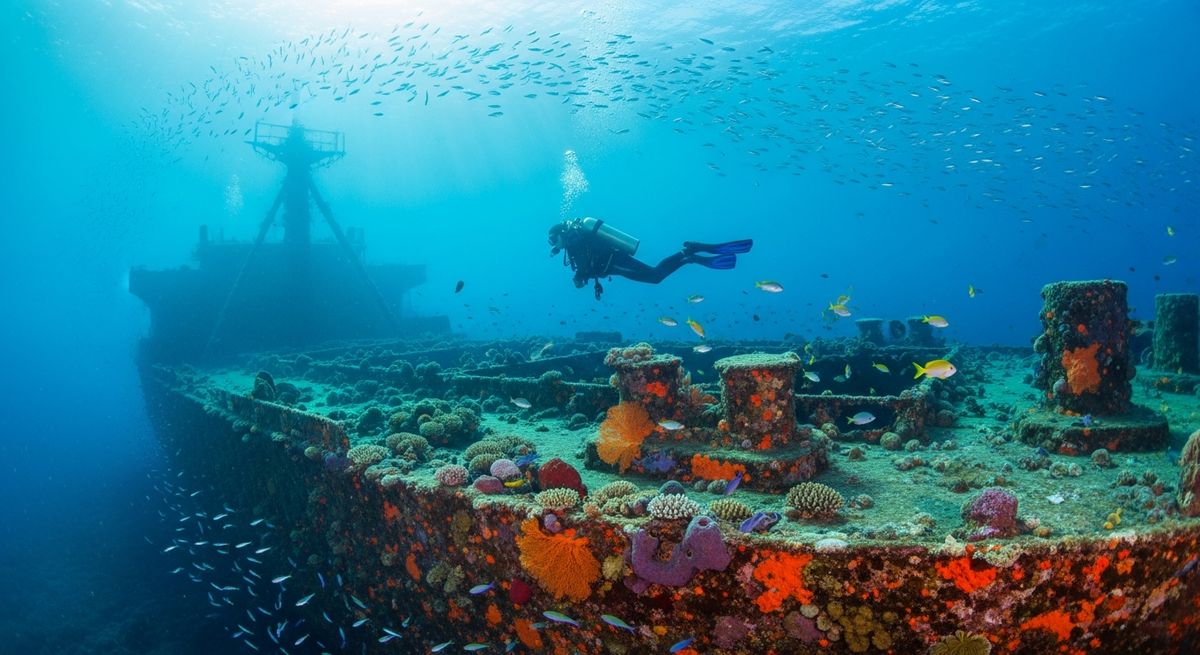
Clint, a steamship that went down in 1927, lies at a manageable 21 metres. She's a good introduction to East Coast wreck diving, offering a decent amount of structure without being overwhelming. You'll find her single boiler and triple-expansion engine towards the stern, providing some nice nooks for lobsters and crabs to hide. The wreck itself, while broken, still gives you a good sense of her original form, with plenty of resident wrasse darting between the plates. It’s a solid dive for those looking to spend an hour exploring a piece of maritime history.
Typical CLINT Dive Profile
Illustrative profile based on site depth and type. Actual dive profiles vary - always follow your dive computer and training.
Safety Notes
Depth of 21m - Advanced Open Water certification recommended.
Wreck site - avoid penetration without wreck diving certification. Watch for sharp metal and entanglement hazards.
Always perform a 3-minute safety stop at 5m before surfacing.
Reviews for CLINT
Conditions
Ocean conditions, forecast and tides for CLINT
Plan & book
Ways to dive Scottish East Coast & Borders, from day trips to liveaboards.
Day trips & courses
via GetYourGuideGuided dives, courses and snorkel trips with instant booking.
Find dive trips in Scottish East Coast & BordersPlaces to stay
via Booking.comHotels and dive resorts near Scottish East Coast & Borders.
Search stays in Scottish East Coast & BordersDive insurance
Most travel insurance excludes or limits scuba. Check what you need before you go.
Dive insurance explainedPartner links: we may earn a commission if you book, at no extra cost to you. How we make money
Where to Stay near CLINT
Prices from Booking.com. We may earn a commission at no extra cost to you.