HEISTAD
Protected Area
Rickle Craig - Scurdie Ness
Why dive here
With 112+ marine species recorded in the area - including dolphins, dwarf minke whales, humpback whales, ocean sunfish (mola mola) and orcas - HEISTAD offers some of Scottish East Coast & Borders's richest wreck diving.
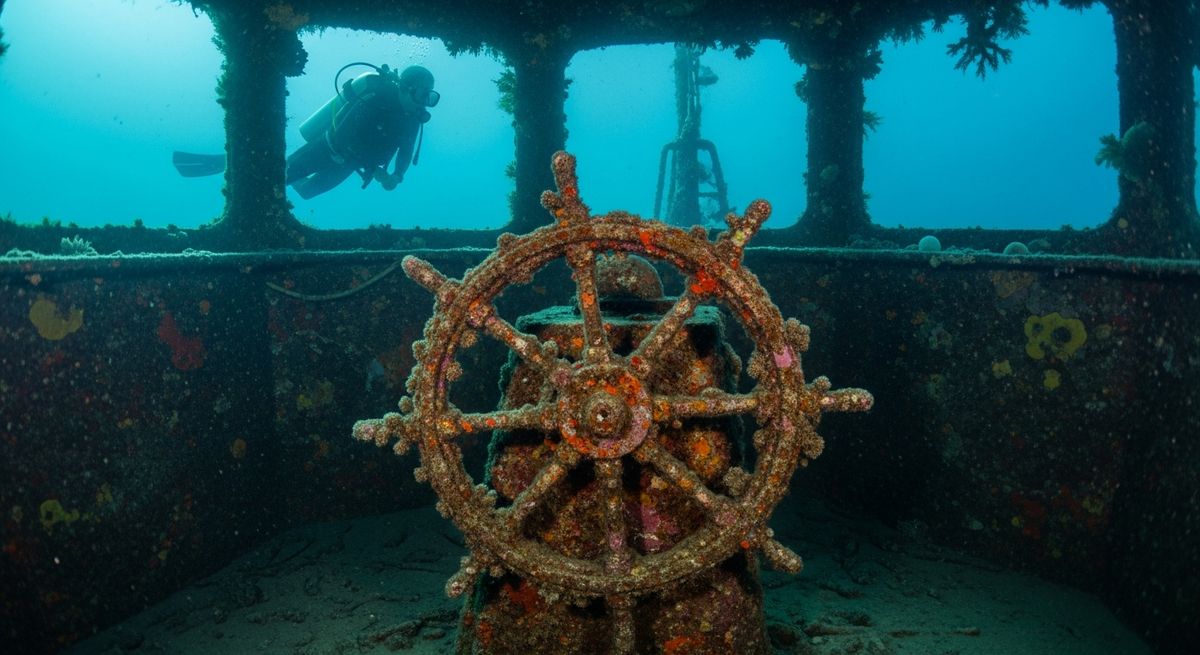
Heistad is one of those wrecks that really tells a story, even if you have to work a bit for it. She’s a wooden sailing vessel, and while the bows are pretty broken up, a lot of her midsection and stern still hold together. We love nosing around the frames and timbers, imagining the crew’s final moments back in 1916 during that brutal storm. Visibility here can swing wildly, so pick your day carefully, ideally after a few dry days with no big swells. We'd suggest aiming for slack water, too; the currents around Montrose Bay can be spirited. What we really enjoy is the sheer amount of life that's made a home in the wreckage: big wrasse patrol the deeper sections, and you'll often find conger eels tucked into the more sheltered spots. The seabed around the wreck is usually dotted with scallops, a bonus for the keen-eyed. It’s a dive that rewards patience and a good torch, perfect for divers who appreciate history and don't mind a bit of a rummage.
Safety Notes
Wreck site - avoid penetration without wreck diving certification. Watch for sharp metal and entanglement hazards.
Reviews for HEISTAD
Conditions
Ocean conditions, forecast and tides for HEISTAD
Plan & book
Ways to dive Scottish East Coast & Borders, from day trips to liveaboards.
Day trips & courses
via GetYourGuideGuided dives, courses and snorkel trips with instant booking.
Find dive trips in Scottish East Coast & BordersPlaces to stay
via Booking.comHotels and dive resorts near Scottish East Coast & Borders.
Search stays in Scottish East Coast & BordersDive insurance
Most travel insurance excludes or limits scuba. Check what you need before you go.
Dive insurance explainedPartner links: we may earn a commission if you book, at no extra cost to you. How we make money
Where to Stay near HEISTAD
Prices from Booking.com. We may earn a commission at no extra cost to you.