PITWINES
Protected Area
Teesmouth and Cleveland Coast
Why dive here
With 112+ marine species recorded in the area - including dolphins, dwarf minke whales, humpback whales, ocean sunfish (mola mola) and orcas - PITWINES offers some of Scottish East Coast & Borders's richest wreck diving.
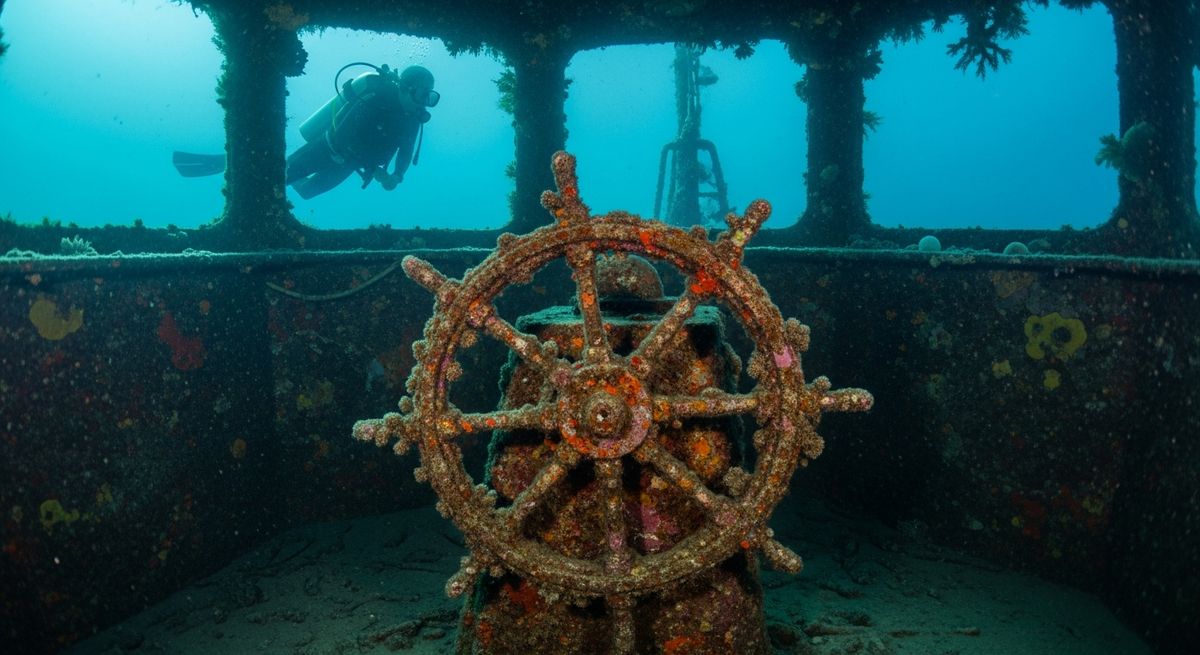
Pitwines sits in pretty deep water, and we think that’s part of its charm. Dropping onto the deck at 45 metres, you’re often greeted by a surprising amount of light, even here. The wreck itself, an old steamship, is well-preserved, her structure still largely intact despite the years. We particularly love poking around the boiler, which stands proud amidst the growth, a real magnet for schooling pollack. Look closely and you’ll find nudibranchs, often the colourful, frilly kind, clinging to the metalwork. The bow section is a personal favourite, often providing shelter for conger eels, so keep an eye out for their heads peeking from the gloom. This isn’t a rummage-through-the-cargo kind of dive; it’s more about appreciating the scale and history of the vessel, how the sea has slowly reclaimed it. Pitwines is definitely one for experienced divers comfortable with deeper profiles and the generally chillier Scottish temperatures. It’s a proper wreck dive, rewarding those who take their time to explore its character.
Typical PITWINES Dive Profile
Illustrative profile based on site depth and type. Actual dive profiles vary - always follow your dive computer and training.
Safety Notes
Maximum depth 45m exceeds recreational limits (40m). Technical diving certification and equipment required.
Wreck site - avoid penetration without wreck diving certification. Watch for sharp metal and entanglement hazards.
Always perform a 3-minute safety stop at 5m before surfacing.
Nearest Dive Centres to PITWINES
Dive shops near PITWINES
Sunderland Scuba Centre
The Diving Centre Ltd
Aquanorth
Scuba-Life
Aqua Purists
Newcastle University Sub Aqua Society
Reviews for PITWINES
Conditions
Ocean conditions, forecast and tides for PITWINES
Plan & book
Ways to dive Scottish East Coast & Borders, from day trips to liveaboards.
Day trips & courses
via GetYourGuideGuided dives, courses and snorkel trips with instant booking.
Find dive trips in Scottish East Coast & BordersPlaces to stay
via Booking.comHotels and dive resorts near Scottish East Coast & Borders.
Search stays in Scottish East Coast & BordersDive insurance
Most travel insurance excludes or limits scuba. Check what you need before you go.
Dive insurance explainedPartner links: we may earn a commission if you book, at no extra cost to you. How we make money
Where to Stay near PITWINES
Prices from Booking.com. We may earn a commission at no extra cost to you.