TREBARTHA
Protected Area
Cove
Why dive here
With 112+ marine species recorded in the area - including dolphins, dwarf minke whales, humpback whales, ocean sunfish (mola mola) and orcas - TREBARTHA offers some of Scottish East Coast & Borders's richest wreck diving.
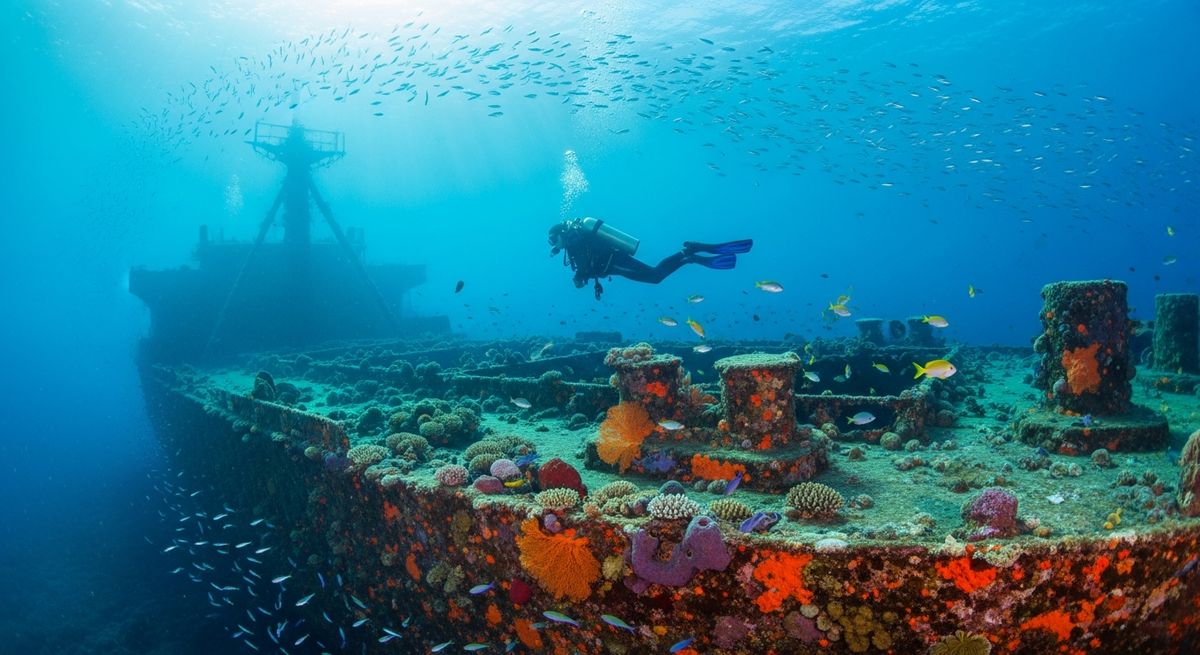
The Trebartha is a proper expedition, not just a casual dip. We love how spread out she is, a real testament to the power of the sea. You’ll spend most of your 12-meter dive exploring the scattered remains, boilers here, twisted metal plates there. It’s not a single, intact structure, but that’s exactly what makes it interesting – you’re piecing together a story as you go. Our favourite time to dive Trebartha is on a calm, bright day. The visibility can be surprisingly good then, letting you take in the scale of the debris field. Look closely at the gaps and under the plates. We’ve spotted some hefty conger eels tucked away, and the light often catches the schooling pollack that dart around the larger sections. It’s a site for those who enjoy a bit of history with their diving, for sure. Bring a good torch and a keen eye; the details on the scattered sections are what make this wreck.
Typical TREBARTHA Dive Profile
Illustrative profile based on site depth and type. Actual dive profiles vary - always follow your dive computer and training.
Safety Notes
Wreck site - avoid penetration without wreck diving certification. Watch for sharp metal and entanglement hazards.
Always perform a 3-minute safety stop at 5m before surfacing.
Reviews for TREBARTHA
Conditions
Ocean conditions, forecast and tides for TREBARTHA
Plan & book
Ways to dive Scottish East Coast & Borders, from day trips to liveaboards.
Day trips & courses
via GetYourGuideGuided dives, courses and snorkel trips with instant booking.
Find dive trips in Scottish East Coast & BordersPlaces to stay
via Booking.comHotels and dive resorts near Scottish East Coast & Borders.
Search stays in Scottish East Coast & BordersDive insurance
Most travel insurance excludes or limits scuba. Check what you need before you go.
Dive insurance explainedPartner links: we may earn a commission if you book, at no extra cost to you. How we make money
Where to Stay near TREBARTHA
Prices from Booking.com. We may earn a commission at no extra cost to you.