Bruce's Mark
Protected Area
False Bay Seal Island Provincial Nature Reserve
Why dive here
With 269+ marine species recorded in the area - including blue sharks, blue whales, dolphins, dwarf minke whales and great white sharks - Bruce's Mark offers some of Cape Town & Western Cape's richest pinnacle diving. Water ranges 14-16°C, warmest February, March, April.
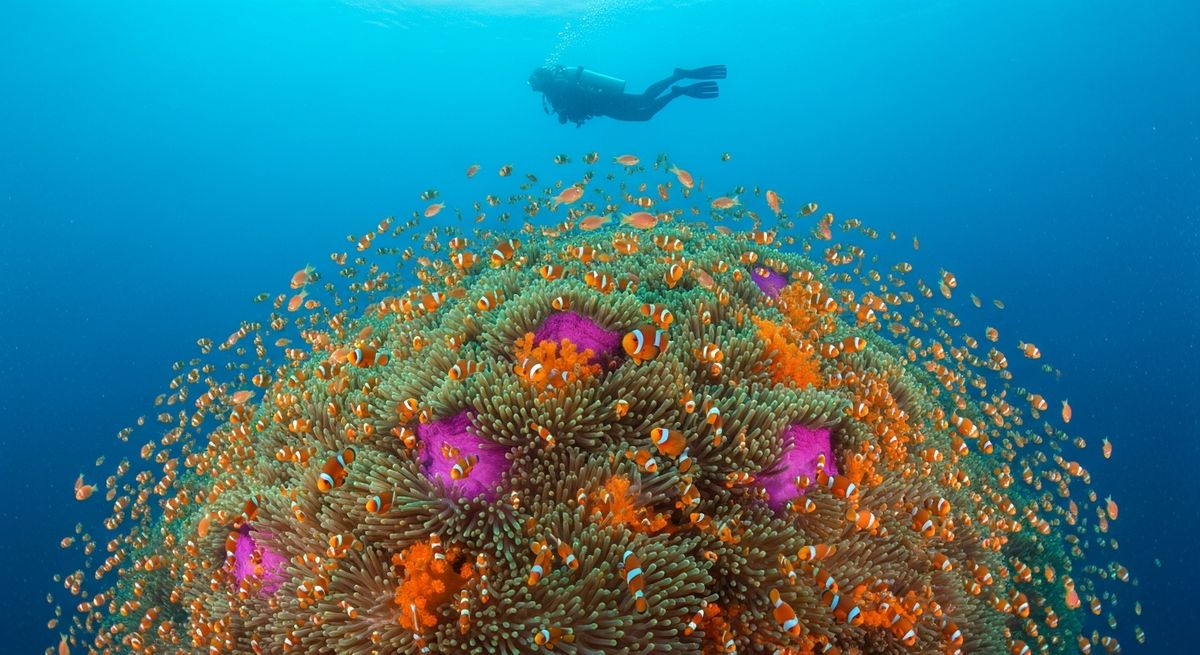
Bruce’s Mark sits off the Cape Town coast, a series of granite pinnacles forming what some divers describe as an underwater ‘N’ shape. We tend to stick to the eastern lobe, where the shallowest parts are still a respectable 20m. It’s a proper rocky reef, with plenty of cracks and overhangs to peer into. We've seen some impressive schools of hottentot and strepies here, and keep an eye out for shy sharks tucked away. It’s a good spot for a relaxed dive when you're looking for something less dramatic than the deeper wrecks, and generally suits those comfortable with moderate depths.
Safety Notes
Cold water this month (avg 15°C). Drysuit or thick wetsuit (7mm+) recommended.
Nearest Dive Centres to Bruce's Mark
Dive shops near Bruce's Mark
Ollava
Pisces Divers
Cape Town Dive Centre
Learn to Dive Today
Scuba Shack
Blue Flash
Reviews for Bruce's Mark
Conditions
Ocean conditions, forecast and tides for Bruce's Mark
Bruce's Mark Ocean Conditions
Monthly averages for Bruce's Mark, sourced from Open-Meteo marine data - nearest station: Open-Meteo marine grid (-33.92, 18.46) (8km away)
October Averages
Sea Temperature
15°C
59°F · Range: 12.4–17.2°C
Air Temperature
17°C
62°F
Wind Speed
7.33 m/s
14.2 knots
Atmospheric Pressure
1018.1 hPa
Based on 4 years of monitoring data · Data sources: Open-Meteo marine data
Plan & book
Ways to dive Cape Town & Western Cape, from day trips to liveaboards.
Day trips & courses
via GetYourGuideGuided dives, courses and snorkel trips with instant booking.
Find dive trips in Cape Town & Western CapePlaces to stay
via Booking.comHotels and dive resorts near Cape Town & Western Cape.
Search stays in Cape Town & Western CapeDive insurance
Most travel insurance excludes or limits scuba. Check what you need before you go.
Dive insurance explainedPartner links: we may earn a commission if you book, at no extra cost to you. How we make money
Where to Stay near Bruce's Mark
Prices from Booking.com. We may earn a commission at no extra cost to you.