Dial Rock
Protected Area
Marcus Island Marine Protected Area
Why dive here
With 269+ marine species recorded in the area - including blue sharks, blue whales, dolphins, dwarf minke whales and great white sharks - Dial Rock offers some of Cape Town & Western Cape's richest reef diving. Water ranges 14-16°C, warmest February, March, April.
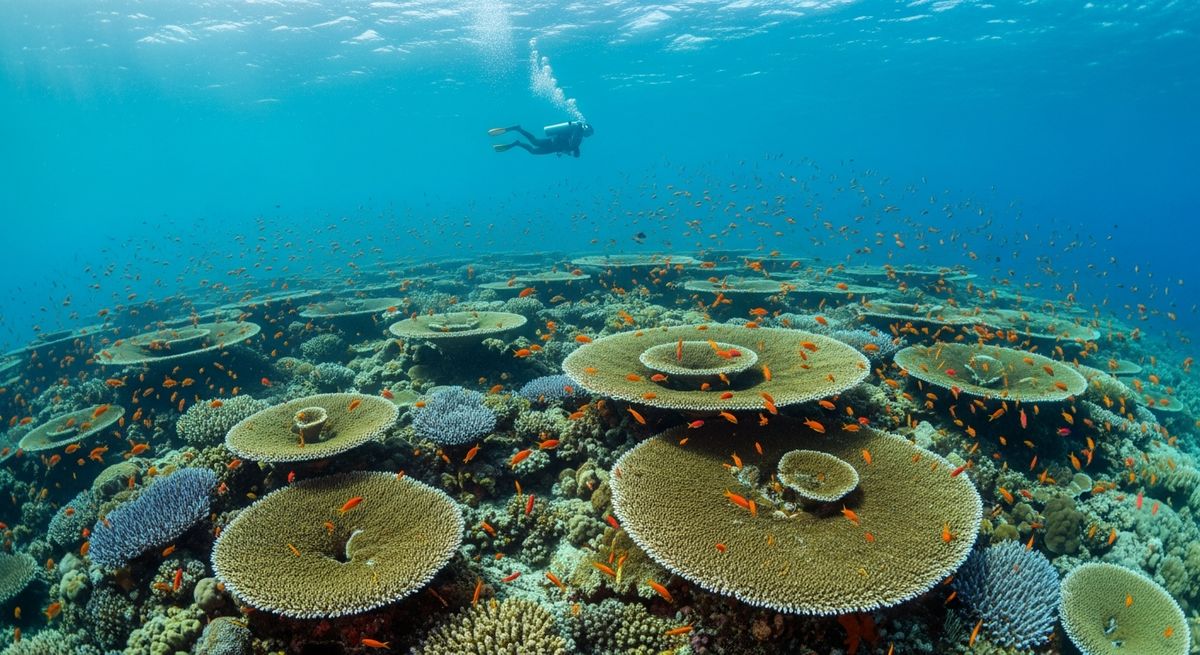
Dial Rock is our go-to spot in Saldanha Bay for a relaxed shore dive. Don't let the 5-meter max depth fool you; there's plenty to get lost in. We love the calm entry, just a gentle wade in, then a surface swim of about 150 meters out to the pinnacle. It’s perfect for getting back in the water after a break, or for new divers building confidence. Once you drop down, you're immediately enveloped by a small forest of kelp, particularly thick on the southern side. Light dapples through the fronds, revealing common brittlestars clinging to rocks and the occasional shy pipefish weaving through the stalks. We’ve had great luck spotting octopus tucked into crevices here, and a surprisingly good number of nudibranchs if you slow down and really look. Visibility averages around 3 meters, which sounds low, but it creates a beautifully intimate atmosphere as you explore the nooks and crannies of the rock. Keep an eye out for curious cuttlefish, they're often hovering near the rocky outcrops. It’s a gentle, unassuming dive that always leaves us feeling refreshed.
Safety Notes
Cold water this month (avg 15°C). Drysuit or thick wetsuit (7mm+) recommended.
Nearest Dive Centres to Dial Rock
Dive shops near Dial Rock
View all dive centres in Cape Town & Western CapeReviews for Dial Rock
Conditions
Ocean conditions, forecast and tides for Dial Rock
Dial Rock Ocean Conditions
Monthly averages for Dial Rock, sourced from Open-Meteo marine data - nearest station: Open-Meteo marine grid (-33.92, 18.46) (8km away)
October Averages
Sea Temperature
15°C
59°F · Range: 12.4–17.2°C
Air Temperature
17°C
62°F
Wind Speed
7.33 m/s
14.2 knots
Atmospheric Pressure
1018.1 hPa
Based on 4 years of monitoring data · Data sources: Open-Meteo marine data
Plan & book
Ways to dive Cape Town & Western Cape, from day trips to liveaboards.
Day trips & courses
via GetYourGuideGuided dives, courses and snorkel trips with instant booking.
Find dive trips in Cape Town & Western CapePlaces to stay
via Booking.comHotels and dive resorts near Cape Town & Western Cape.
Search stays in Cape Town & Western CapeDive insurance
Most travel insurance excludes or limits scuba. Check what you need before you go.
Dive insurance explainedPartner links: we may earn a commission if you book, at no extra cost to you. How we make money
Where to Stay near Dial Rock
Prices from Booking.com. We may earn a commission at no extra cost to you.