Dreadlocks Reef - Cape Town & Western Cape

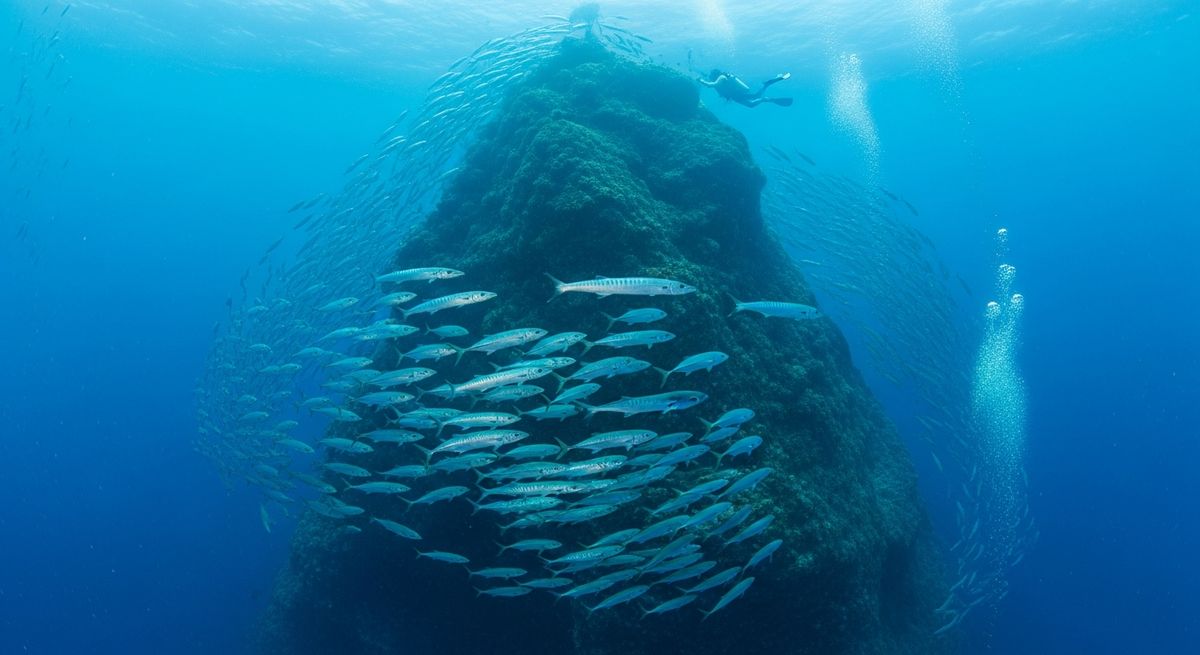
Dreadlocks Reef off Cape Town offers a solid dive for those looking to explore an interesting pinnacle structure. The main ridge starts fairly shallow, its tip only a couple of metres across, then drops away to about 40m. We usually find it easiest to descend along the main corestone ridge, where you'll spot plenty of nudibranchs clinging to the walls, along with colourful sponges. Keep an eye out for octopus tucked into crevices. The currents here can pick up, so it's a site we’d recommend when conditions are calm, making it a good choice for divers comfortable with a bit of depth.

Location
Cape Town & Western Cape, South Africa, Indian Ocean & East Africa
Coordinates
-33.972794, 18.361832
Type
pinnacle

Marine Protected Area: Duikerklip Provincial Nature Reserve

Best Time to Dive in Cape Town & Western Cape

The warmest water temperatures in Cape Town & Western Cape occur in January, averaging 18.9°C. The coolest conditions are in December at 18.9°C.

Monthly Water Temperatures

  • January: 18.9°C (air: 20.8°C)
  • February: 18.9°C (air: 20.7°C)
  • March: 18.9°C (air: 19.5°C)
  • April: 18.9°C (air: 17.3°C)
  • May: 18.9°C (air: 15.8°C)
  • June: 18.9°C (air: 15.0°C)
  • July: 18.9°C (air: 13.2°C)
  • August: 18.9°C (air: 13.2°C)
  • September: 18.9°C (air: 13.9°C)
  • October: 18.9°C (air: 16.5°C)
  • November: 18.9°C (air: 17.8°C)
  • December: 18.9°C (air: 19.3°C)

Nearby Dive Sites in Cape Town & Western Cape

Nearest Dive Centres to Dreadlocks Reef

Marine Life in Cape Town & Western Cape

Home to 271 recorded species including 176 reef fish, 45 sharks & rays, 28 whales & dolphins, 5 hard corals, 4 other, 4 octopus & squid.

Notable Species

Recommended Packing List for Dreadlocks Reef

Based on average water temperature of 18.9°C.

  • Wetsuit (3-5mm) - comfortable for 19°C water
  • Mask - essential for every dive
  • Fins
  • BCD - buoyancy compensator
  • Regulator - your most safety-critical piece of gear
  • Dive Computer - tracks depth, time, and NDL
  • Surface Marker Buoy (SMB) - essential for boat pickups
  • Dive Torch - useful for crevices and colour at depth
  • Underwater Camera - capture your diving memories

Frequently Asked Questions

What is the typical depth range for diving at Dreadlocks Reef?
While the overall typical depth range for Dreadlocks Reef is not explicitly stated, the description notes that the main ridge is 20 m wide at 12 m deep. Additionally, a smaller pinnacle is also 10 m in diameter at 12 m depth. This suggests that significant features of this pinnacle dive site are found around the 12-meter mark.
What kind of marine life and underwater features can divers expect to see at Dreadlocks Reef?
Divers at Dreadlocks Reef can expect to explore a prominent underwater landscape characterized by a large corestone ridge and low surrounding reefs. The main pinnacle is quite pointy, with its tip only a couple of metres across, and extends to about 100 m in length at the bottom. Additionally, a smaller pinnacle, approximately 10 m in diameter at 12 m depth, is located a few metres to the south. While specific marine life is not detailed, these features provide a rich habitat for various species.
How difficult is the diving at Dreadlocks Reef, and is it suitable for beginners?
Diving at Dreadlocks Reef is rated as intermediate difficulty. This means it is generally not suitable for absolute beginners, who might find the conditions or features challenging. Divers should have some experience and comfort in various underwater environments before attempting this site.
What is the best time of year to dive at Dreadlocks Reef for optimal conditions?
Information regarding the best time of year for optimal diving conditions at Dreadlocks Reef is not available in our current data. We recommend checking local dive operators or our When to Dive guide for general advice on diving in the Cape Town & Western Cape region.
Are there any specific certifications or permits required to dive at Dreadlocks Reef?
Our current data does not specify any unique certifications or permits required to dive at Dreadlocks Reef beyond standard open water diving certifications. However, given its intermediate difficulty, advanced certification or significant experience is highly recommended. Always verify local regulations and requirements with a local dive operator in Cape Town & Western Cape before planning your dive.
What are the typical current and visibility conditions at Dreadlocks Reef?
Specific details regarding the typical current and visibility conditions at Dreadlocks Reef are not available in our current dataset. As an intermediate dive site, divers should be prepared for potentially variable conditions. It is always best to consult with local dive centers in Cape Town & Western Cape for the most up-to-date information on site conditions before your dive.