Omega Rock
Protected Area
Table Mountain National Park Marine Protected Area
Why dive here
With 269+ marine species recorded in the area - including blue sharks, blue whales, dolphins, dwarf minke whales and great white sharks - Omega Rock offers some of Cape Town & Western Cape's richest reef diving. Water ranges 14-16°C, warmest February, March, April.
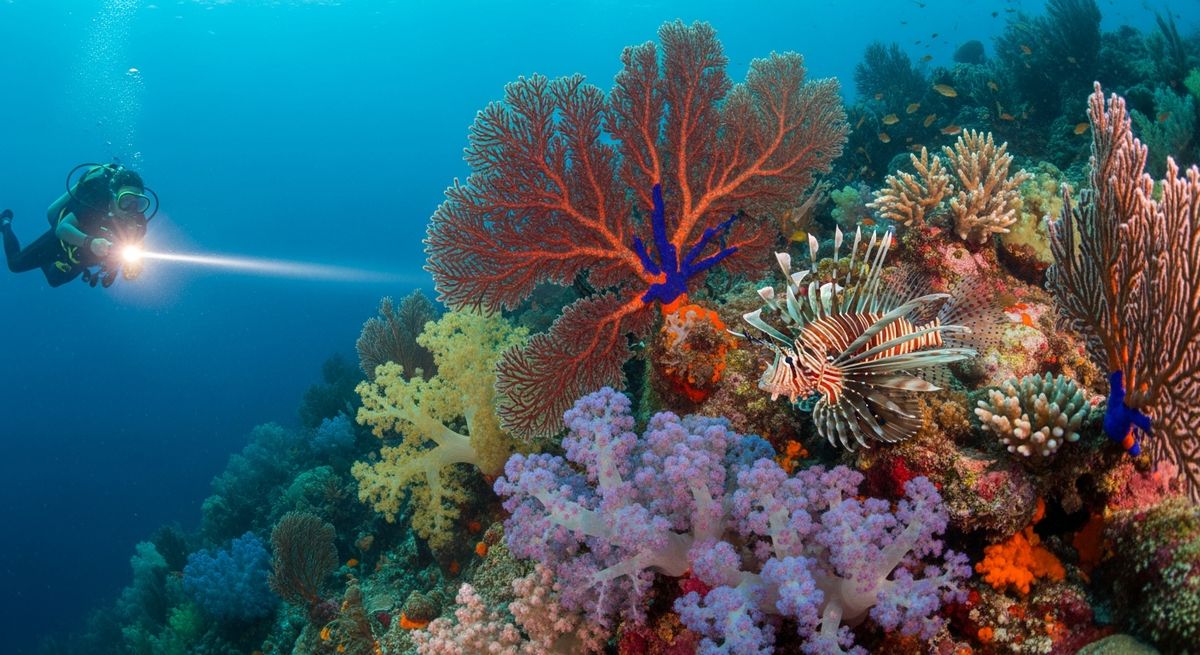
Omega Rock is our favourite kind of dive, a proper West Coast experience. You’re heading out into the open ocean, usually a bit bumpy, then dropping onto a series of immense granite pinnacles that just rocket up from the seabed. We’ve found the average depth is closer to 15 metres, with the deepest sand around 28 metres, so there’s plenty of bottom time to explore. The main pinnacle is a proper maze, split by these narrow gullies and huge boulders, creating overhangs and even a tight little swim-through we always enjoy squeezing through. Visibility often sits around 10 metres, so it’s not always gin-clear, but that just adds to the atmosphere, making the large schools of Redeye and dory feel even more dramatic as they materialise from the blue. Keep an eye out for Cosmopolitan Spurdogs tucked into crevices, and we’ve often spotted stingrays cruising the sand around the base. It’s a site for divers who appreciate dramatic topography and a bit of wildness, rather than just pretty colours. The currents can pick up here, so it’s best for those comfortable with varied conditions.
Safety Notes
Cold water this month (avg 15°C). Drysuit or thick wetsuit (7mm+) recommended.
Nearest Dive Centres to Omega Rock
Dive shops near Omega Rock
Ollava
Pisces Divers
Cape Town Dive Centre
Learn to Dive Today
Scuba Shack
Blue Flash
Reviews for Omega Rock
Conditions
Ocean conditions, forecast and tides for Omega Rock
Omega Rock Ocean Conditions
Monthly averages for Omega Rock, sourced from Open-Meteo marine data - nearest station: Open-Meteo marine grid (-33.92, 18.46) (8km away)
October Averages
Sea Temperature
15°C
59°F · Range: 12.4–17.2°C
Air Temperature
17°C
62°F
Wind Speed
7.33 m/s
14.2 knots
Atmospheric Pressure
1018.1 hPa
Based on 4 years of monitoring data · Data sources: Open-Meteo marine data
Plan & book
Ways to dive Cape Town & Western Cape, from day trips to liveaboards.
Day trips & courses
via GetYourGuideGuided dives, courses and snorkel trips with instant booking.
Find dive trips in Cape Town & Western CapePlaces to stay
via Booking.comHotels and dive resorts near Cape Town & Western Cape.
Search stays in Cape Town & Western CapeDive insurance
Most travel insurance excludes or limits scuba. Check what you need before you go.
Dive insurance explainedPartner links: we may earn a commission if you book, at no extra cost to you. How we make money
Where to Stay near Omega Rock
Prices from Booking.com. We may earn a commission at no extra cost to you.