Photographer’s Reef
Protected Area
Table Mountain National Park Marine Protected Area
Why dive here
With 269+ marine species recorded in the area - including blue sharks, blue whales, dolphins, dwarf minke whales and great white sharks - Photographer’s Reef offers some of Cape Town & Western Cape's richest reef diving. Water ranges 14-16°C, warmest February, March, April.
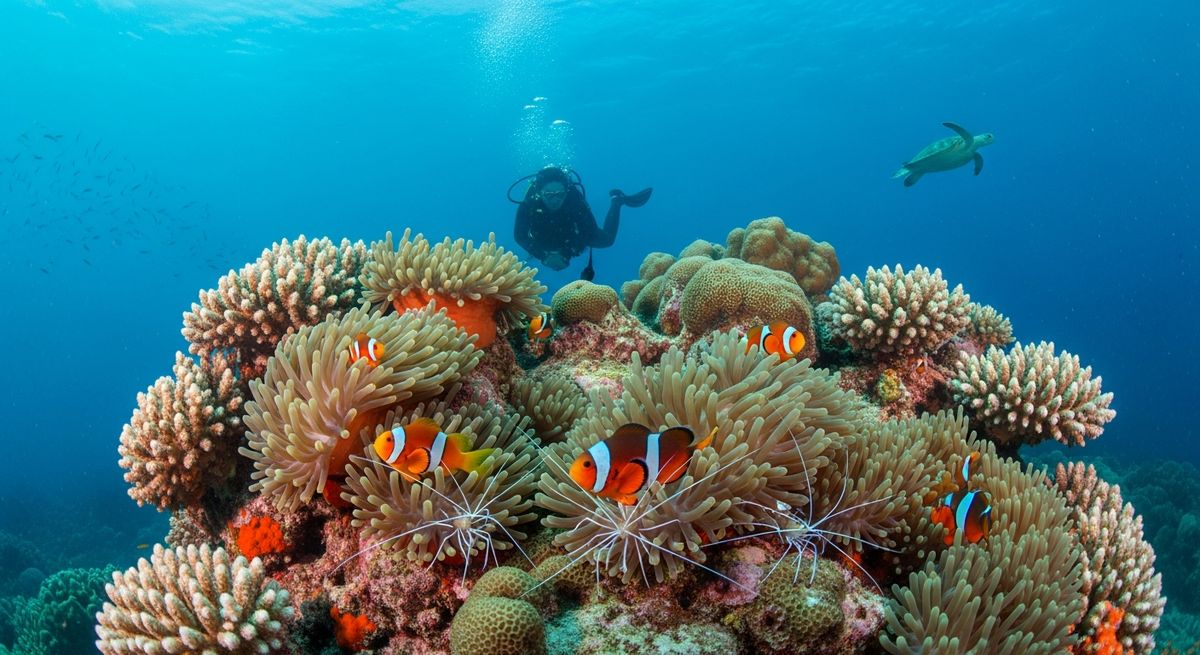
Photographer’s Reef truly earns its name. We love this site for its tight, intricate granite formations, creating endless opportunities to frame a shot. The reef top starts around 3m, dropping to a sandy bottom at 16m, and the whole place is a maze of high-profile boulders and outcrops. You’ll find deep overhangs and some lovely little swim-throughs here, perfect for exploring. The walls are plastered with strawberry anemones, their vibrant reds and oranges just popping in the South African light. Keep an eye out for nudibranchs tucked into every crevice; we’ve spotted some real beauties here. The deeper gullies are a good bet for shy sharks and the usual reef fish. Visibility averages 7m, which is standard for the area, and it really suits divers who enjoy a slower pace, poking around and observing the smaller details. If you're carrying a camera, this is absolutely one of our favourite spots for interesting compositions and macro life.
Safety Notes
Cold water this month (avg 15°C). Drysuit or thick wetsuit (7mm+) recommended.
Nearest Dive Centres to Photographer’s Reef
Dive shops near Photographer’s Reef
Ollava
Pisces Divers
Cape Town Dive Centre
Learn to Dive Today
Scuba Shack
Blue Flash
Reviews for Photographer’s Reef
Conditions
Ocean conditions, forecast and tides for Photographer’s Reef
Photographer’s Reef Ocean Conditions
Monthly averages for Photographer’s Reef, sourced from Open-Meteo marine data - nearest station: Open-Meteo marine grid (-33.92, 18.46) (8km away)
October Averages
Sea Temperature
15°C
59°F · Range: 12.4–17.2°C
Air Temperature
17°C
62°F
Wind Speed
7.33 m/s
14.2 knots
Atmospheric Pressure
1018.1 hPa
Based on 4 years of monitoring data · Data sources: Open-Meteo marine data
Plan & book
Ways to dive Cape Town & Western Cape, from day trips to liveaboards.
Day trips & courses
via GetYourGuideGuided dives, courses and snorkel trips with instant booking.
Find dive trips in Cape Town & Western CapePlaces to stay
via Booking.comHotels and dive resorts near Cape Town & Western Cape.
Search stays in Cape Town & Western CapeDive insurance
Most travel insurance excludes or limits scuba. Check what you need before you go.
Dive insurance explainedPartner links: we may earn a commission if you book, at no extra cost to you. How we make money
Where to Stay near Photographer’s Reef
Prices from Booking.com. We may earn a commission at no extra cost to you.