Seven Blinders
Protected Area
Marcus Island Marine Protected Area
Why dive here
With 269+ marine species recorded in the area - including blue sharks, blue whales, dolphins, dwarf minke whales and great white sharks - Seven Blinders offers some of Cape Town & Western Cape's richest pinnacle diving. Water ranges 14-16°C, warmest February, March, April.
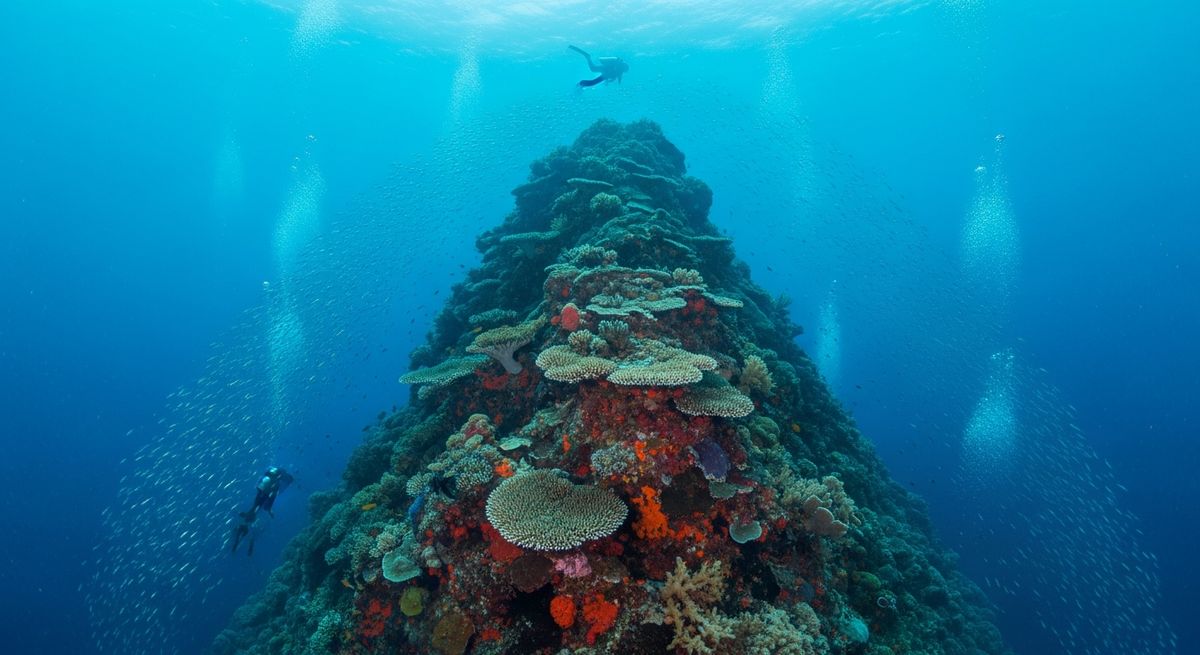
Seven Blinders isn't your grand, intact ship, but it's a site we always enjoy, especially when the south-easterly wind has been blowing for a few days. You're looking at a scattering of an old wreck, bits of metal spread across the seabed, mingled with chunky rock formations. It's relatively shallow, maxing out at 11m, which gives you plenty of bottom time to poke around. What we really love here is how the wreck has just become part of the natural reef. It’s absolutely smothered in kelp, anemones, and a surprising number of sea urchins. We often find cuttlefish lurking in the nooks and crannies, and the shy sharks are a common sight, blending right into the rocky debris. Visibility averages 3m, so you’ll need to get close, but that just means you’re really focusing on the details. It’s a dive that rewards slow, deliberate exploration. Ideal for a relaxed morning dive when you just want to wander through the kelp and see what’s hiding.
Safety Notes
Cold water this month (avg 15°C). Drysuit or thick wetsuit (7mm+) recommended.
Nearest Dive Centres to Seven Blinders
Dive shops near Seven Blinders
View all dive centres in Cape Town & Western CapeReviews for Seven Blinders
Conditions
Ocean conditions, forecast and tides for Seven Blinders
Seven Blinders Ocean Conditions
Monthly averages for Seven Blinders, sourced from Open-Meteo marine data - nearest station: Open-Meteo marine grid (-33.92, 18.46) (8km away)
October Averages
Sea Temperature
15°C
59°F · Range: 12.4–17.2°C
Air Temperature
17°C
62°F
Wind Speed
7.33 m/s
14.2 knots
Atmospheric Pressure
1018.1 hPa
Based on 4 years of monitoring data · Data sources: Open-Meteo marine data
Plan & book
Ways to dive Cape Town & Western Cape, from day trips to liveaboards.
Day trips & courses
via GetYourGuideGuided dives, courses and snorkel trips with instant booking.
Find dive trips in Cape Town & Western CapePlaces to stay
via Booking.comHotels and dive resorts near Cape Town & Western Cape.
Search stays in Cape Town & Western CapeDive insurance
Most travel insurance excludes or limits scuba. Check what you need before you go.
Dive insurance explainedPartner links: we may earn a commission if you book, at no extra cost to you. How we make money
Where to Stay near Seven Blinders
Prices from Booking.com. We may earn a commission at no extra cost to you.