Two Oceans Kelp Tank
Protected Area
Robben island Marine Protected Area
Why dive here
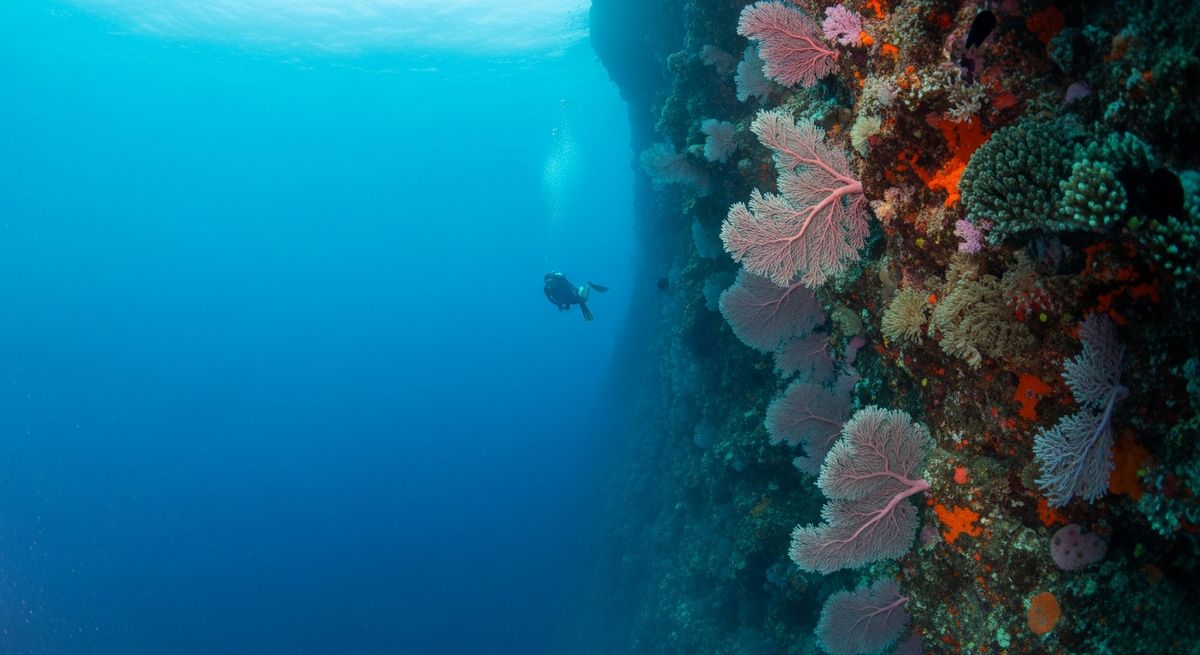
With 269+ marine species recorded in the area - including blue sharks, blue whales, dolphins, dwarf minke whales and great white sharks - Two Oceans Kelp Tank offers some of Cape Town & Western Cape's richest wall diving. Water ranges 14-16°C, warmest February, March, April.
Alright, let's talk about the Two Oceans Kelp Tank. Forget what you think you know about aquarium dives; this one's different. Dropping into that cool water, it's immediately apparent how much care goes into replicating the real thing. Those towering kelp fronds, swaying gently, really do make you feel like you're in a proper forest. We love the constant parade of life here. It’s not just a few fish; you'll see sleek triggerfish darting between the stalks, and often a pajama shark or two resting on the sandy bottom, completely unfazed by your presence. Our favourite, though, has to be the penguins. When they decide to visit, zipping past your mask like feathered torpedoes, it’s pure joy. It’s an easy dive, shallow at just 8m, and offers a fantastic chance for photographers to get up close with species they might otherwise only glimpse in the wild. If you're looking for a relaxed dive with guaranteed animal encounters and a unique perspective on the Western Cape's incredible kelp ecosystems, this is it. It’s a gentle introduction to cold water diving, too, without the commitment of an open ocean trip.
Safety Notes
Cold water this month (avg 15°C). Drysuit or thick wetsuit (7mm+) recommended.
Nearest Dive Centres to Two Oceans Kelp Tank
Dive shops near Two Oceans Kelp Tank
Two Oceans Aquarium
Into the Blue Scuba
Coral Wetsuits
Dive Action
University of Cape Town Underwater Club
UCT Underwater Club
Reviews for Two Oceans Kelp Tank
Conditions
Ocean conditions, forecast and tides for Two Oceans Kelp Tank
Two Oceans Kelp Tank Ocean Conditions
Monthly averages for Two Oceans Kelp Tank, sourced from Open-Meteo marine data - nearest station: Open-Meteo marine grid (-33.92, 18.46) (8km away)
October Averages
Sea Temperature
15°C
59°F · Range: 12.4–17.2°C
Air Temperature
17°C
62°F
Wind Speed
7.33 m/s
14.2 knots
Atmospheric Pressure
1018.1 hPa
Based on 4 years of monitoring data · Data sources: Open-Meteo marine data
Plan & book
Ways to dive Cape Town & Western Cape, from day trips to liveaboards.
Day trips & courses
via GetYourGuideGuided dives, courses and snorkel trips with instant booking.
Find dive trips in Cape Town & Western CapePlaces to stay
via Booking.comHotels and dive resorts near Cape Town & Western Cape.
Search stays in Cape Town & Western CapeDive insurance
Most travel insurance excludes or limits scuba. Check what you need before you go.
Dive insurance explainedPartner links: we may earn a commission if you book, at no extra cost to you. How we make money
Where to Stay near Two Oceans Kelp Tank
Prices from Booking.com. We may earn a commission at no extra cost to you.