ACTIVE
Protected Area
Long Berry Coast
Why dive here
With 140+ marine species recorded in the area - including blue whales, dolphins, dwarf minke whales, humpback whales and ocean sunfish (mola mola) - ACTIVE offers some of Scapa Flow, Orkney's richest wreck diving. Water ranges 8-14°C, warmest July, August, September.
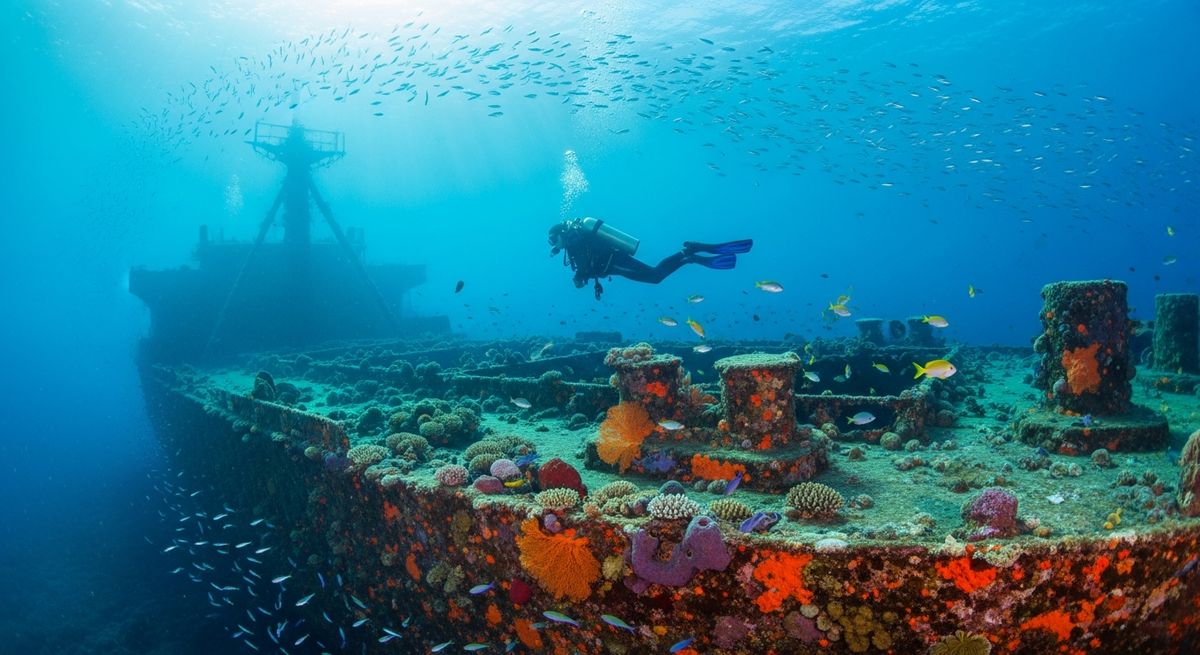
The *Active* in Scapa Flow isn't just another wreck; it's a piece of raw history, resting upright at 42 metres. We love how intact she remains, a substantial trawler, torpedoed by German aircraft in 1939. Dropping down, you start to make out the ghostly outline, gradually resolving into deck gear, winches, and the superstructure still largely in place. Exploring her feels like stepping back in time, with the vast, dark water pressing in around you. Our favourite part is the penetration into the wheelhouse, if conditions allow, where you can still feel the palpable sense of its last moments. It's a proper wreck dive, perfect for those comfortable with deeper sites and the chill of northern waters. You’ll see plenty of squat lobsters tucked into every crevice, and plumose anemones bloom from the steelwork, adding splashes of white against the rust. Keep an eye out for curious dogfish cruising the perimeter. This is a dive for history buffs and wreck enthusiasts who appreciate a sombre, atmospheric experience.
Typical ACTIVE Dive Profile
Illustrative profile based on site depth and type. Actual dive profiles vary - always follow your dive computer and training.
Safety Notes
Maximum depth 42m exceeds recreational limits (40m). Technical diving certification and equipment required.
Wreck site - avoid penetration without wreck diving certification. Watch for sharp metal and entanglement hazards.
Cold water this month (avg 13°C). Drysuit or thick wetsuit (7mm+) recommended.
Always perform a 3-minute safety stop at 5m before surfacing.
ACTIVE Wreck History
Year Sunk
1939
Vessel Type
fishing vessel
Cause
torpedo
The Active was a humble trawler caught in the crossfire of a global conflict. In the early months of World War II, the legendary naval anchorage of Scapa Flow was a primary target for German forces. On December 18, 1939, while operating in these historic waters, the Active was attacked by a German aircraft. A torpedo found its mark, and the vessel was sent to the bottom of the flow, becoming one of its many wartime casualties.
Today, the Active rests in 42 meters of water, making it a challenging and rewarding dive for experienced, tech-certified divers. Descending through the cool, dark waters of Scapa Flow, divers will find the wreck of the trawler. Given the depth, bottom times are short, but the wreck offers a poignant glimpse into the wartime history that defines this incredible dive location. It is a smaller, more intimate wreck compared to the scuttled German High Seas Fleet, but no less significant.
Reviews for ACTIVE
Conditions
Ocean conditions, forecast and tides for ACTIVE
ACTIVE Ocean Conditions
Monthly averages for ACTIVE, sourced from Open-Meteo marine data - nearest station: Open-Meteo marine grid (58.64, -3.16) (8km away)
October Averages
Sea Temperature
13°C
55°F · Range: 11.4–13.8°C
Air Temperature
10°C
50°F
Wind Speed
9.26 m/s
18.0 knots
Atmospheric Pressure
1005.3 hPa
Based on 4 years of monitoring data · Data sources: Open-Meteo marine data
Plan & book
Ways to dive Scapa Flow, Orkney, from day trips to liveaboards.
Day trips & courses
via GetYourGuideGuided dives, courses and snorkel trips with instant booking.
Find dive trips in Scapa Flow, OrkneyPlaces to stay
via Booking.comHotels and dive resorts near Scapa Flow, Orkney.
Search stays in Scapa Flow, OrkneyDive insurance
Most travel insurance excludes or limits scuba. Check what you need before you go.
Dive insurance explainedPartner links: we may earn a commission if you book, at no extra cost to you. How we make money
Where to Stay near ACTIVE
Prices from Booking.com. We may earn a commission at no extra cost to you.