BEL LILY
Protected Area
Loch of Strathbeg
Why dive here
With 140+ marine species recorded in the area - including blue whales, dolphins, dwarf minke whales, humpback whales and ocean sunfish (mola mola) - BEL LILY offers some of Scapa Flow, Orkney's richest wreck diving. Water ranges 8-14°C, warmest July, August, September.
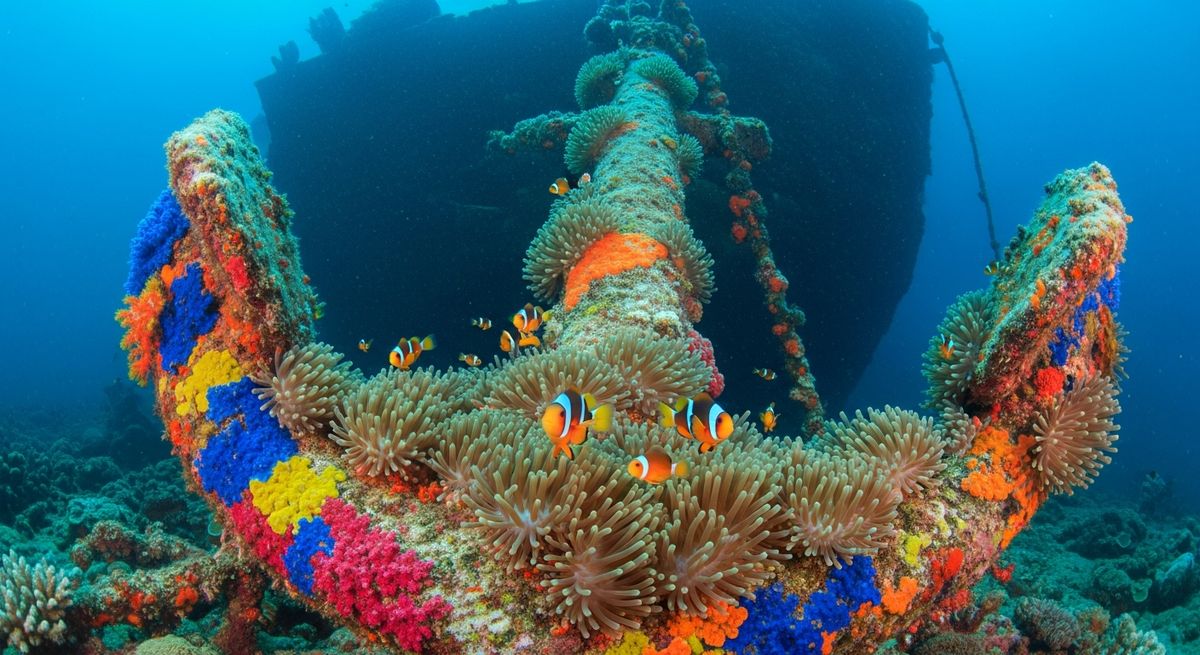
The Bel Lily is one of those Scapa wrecks we keep coming back to. While it doesn't have the sheer scale of the German High Seas Fleet, this trawler, sunk by a mine in 1917, offers a fantastic solo dive. Dropping down to 47m, you’ll find her relatively intact, sitting upright on the seabed. We love picking our way through the superstructure, imagining the crew on deck before that fateful day. The bow area is our favourite, often blanketed in bright yellow dead man’s fingers. Inside, her single boiler is a prominent feature, and you can poke around the triple expansion engine. It’s a dark dive, as most are in Scapa, so good lights are essential to really appreciate the details and the surprisingly colourful anemones that cling to every surface. The Bel Lily is a superb wreck for experienced divers comfortable with deeper, colder water, looking for a bit of history and a quieter exploration away from the bigger crowds. Just watch out for the strong currents that can occasionally sweep through Scapa Flow, particularly on spring tides.
Typical BEL LILY Dive Profile
Illustrative profile based on site depth and type. Actual dive profiles vary - always follow your dive computer and training.
Safety Notes
Maximum depth 47m exceeds recreational limits (40m). Technical diving certification and equipment required.
Wreck site - avoid penetration without wreck diving certification. Watch for sharp metal and entanglement hazards.
Cold water this month (avg 13°C). Drysuit or thick wetsuit (7mm+) recommended.
Always perform a 3-minute safety stop at 5m before surfacing.
BEL LILY Wreck History
Year Sunk
1917
Vessel Type
fishing vessel
Cause
scuttled
Originally a hard-working steam trawler named the Forth, the Bel Lily was built in 1899 and spent her early years plying the fishing grounds. Her civilian career came to an end with the outbreak of World War I, when she was requisitioned by the Admiralty for naval service. Her final mission was not one of combat, but of sacrifice. On May 14, 1917, she was deliberately scuttled as a blockship in Burra Sound, one of the key entrances to the vital naval anchorage of Scapa Flow, to protect the fleet from submarine incursions.
Resting at a maximum depth of 47 meters, the Bel Lily is one of Scapa Flow's deeper and less-dived blockships. The wreck sits upright and is largely intact, though time and strong currents have taken their toll. Divers can explore the trawler's classic lines, from its bow to the recognizable stern, and peer into the holds. The depth makes this a dive for experienced and advanced divers, offering a fascinating alternative to the more famous German High Seas Fleet wrecks and a direct connection to the defensive efforts that protected Scapa Flow.
Reviews for BEL LILY
Conditions
Ocean conditions, forecast and tides for BEL LILY
BEL LILY Ocean Conditions
Monthly averages for BEL LILY, sourced from Open-Meteo marine data - nearest station: Open-Meteo marine grid (58.64, -3.16) (8km away)
October Averages
Sea Temperature
13°C
55°F · Range: 11.4–13.8°C
Air Temperature
10°C
50°F
Wind Speed
9.26 m/s
18.0 knots
Atmospheric Pressure
1005.3 hPa
Based on 4 years of monitoring data · Data sources: Open-Meteo marine data
Plan & book
Ways to dive Scapa Flow, Orkney, from day trips to liveaboards.
Day trips & courses
via GetYourGuideGuided dives, courses and snorkel trips with instant booking.
Find dive trips in Scapa Flow, OrkneyPlaces to stay
via Booking.comHotels and dive resorts near Scapa Flow, Orkney.
Search stays in Scapa Flow, OrkneyDive insurance
Most travel insurance excludes or limits scuba. Check what you need before you go.
Dive insurance explainedPartner links: we may earn a commission if you book, at no extra cost to you. How we make money
Where to Stay near BEL LILY
Prices from Booking.com. We may earn a commission at no extra cost to you.