MALIN HEAD
Protected Area
John o' Groats
Why dive here
With 140+ marine species recorded in the area - including blue whales, dolphins, dwarf minke whales, humpback whales and ocean sunfish (mola mola) - MALIN HEAD offers some of Scapa Flow, Orkney's richest wreck diving. Water ranges 8-14°C, warmest July, August, September.
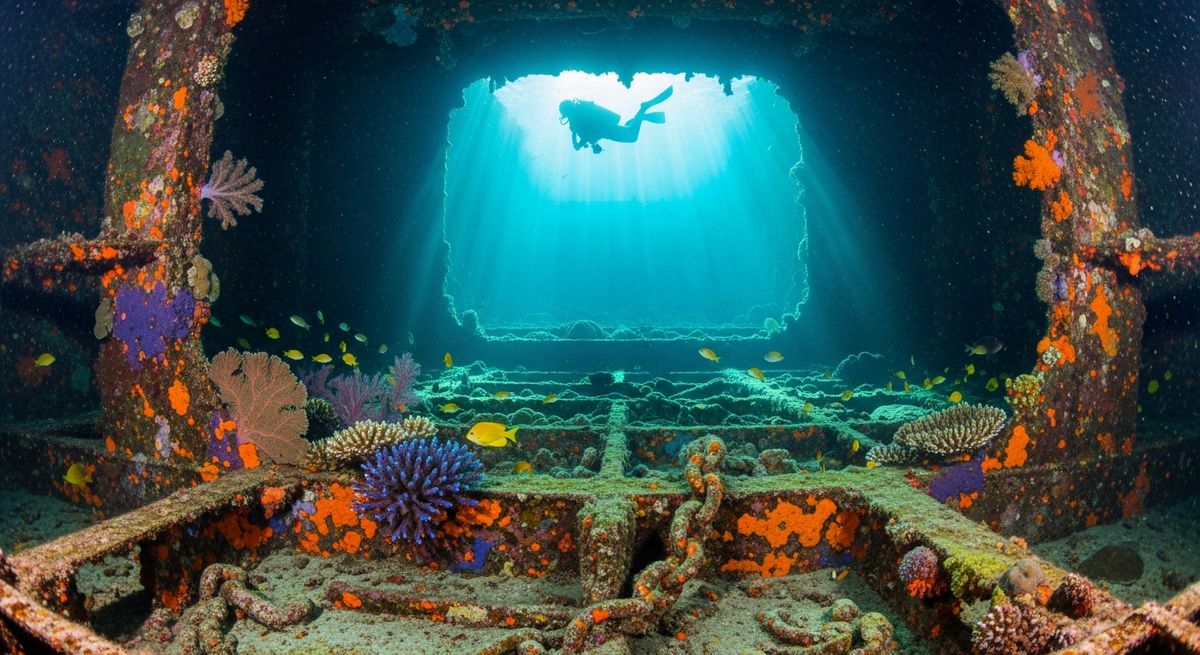
The Malin Head is a proper Scapa Flow dive, a working steamship that went down in 1910 and has been sitting there ever since. We love a wreck that still feels like a ship, not just a pile of plates. You’ll find her resting on her port side, mostly intact, with her bow pointing northwest. The stern is a fantastic rummage, we always head there first. Her two large boilers are a real focal point, they loom out of the gloom and are covered in dead man's fingers, sometimes so thick they look like a sheep’s fleece. Penetration is possible if you’ve got the right training and gear. Inside, we've found porcelain dinner plates and the occasional boot. The visibility here can be decent, but it's often a bit silty, so take it slow and try not to stir things up. Look for the wolf fish lurking in crevices, and conger eels are pretty much a given. Our favourite time to dive her is on a slack tide, obviously, but also when there's a bit of sun filtering through the water. It really brings out the colours on the anemones and soft corals. It’s a great dive for anyone comfortable with deeper wrecks and a bit of chill in the water.
Safety Notes
Wreck site - avoid penetration without wreck diving certification. Watch for sharp metal and entanglement hazards.
Cold water this month (avg 13°C). Drysuit or thick wetsuit (7mm+) recommended.
Nearest Dive Centres to MALIN HEAD
Dive shops near MALIN HEAD
View all dive centres in Scapa Flow, OrkneyReviews for MALIN HEAD
Conditions
Ocean conditions, forecast and tides for MALIN HEAD
MALIN HEAD Ocean Conditions
Monthly averages for MALIN HEAD, sourced from Open-Meteo marine data - nearest station: Open-Meteo marine grid (58.64, -3.16) (8km away)
October Averages
Sea Temperature
13°C
55°F · Range: 11.4–13.8°C
Air Temperature
10°C
50°F
Wind Speed
9.26 m/s
18.0 knots
Atmospheric Pressure
1005.3 hPa
Based on 4 years of monitoring data · Data sources: Open-Meteo marine data
Plan & book
Ways to dive Scapa Flow, Orkney, from day trips to liveaboards.
Day trips & courses
via GetYourGuideGuided dives, courses and snorkel trips with instant booking.
Find dive trips in Scapa Flow, OrkneyPlaces to stay
via Booking.comHotels and dive resorts near Scapa Flow, Orkney.
Search stays in Scapa Flow, OrkneyDive insurance
Most travel insurance excludes or limits scuba. Check what you need before you go.
Dive insurance explainedPartner links: we may earn a commission if you book, at no extra cost to you. How we make money
Where to Stay near MALIN HEAD
Prices from Booking.com. We may earn a commission at no extra cost to you.