Diving with Thresher Sharks
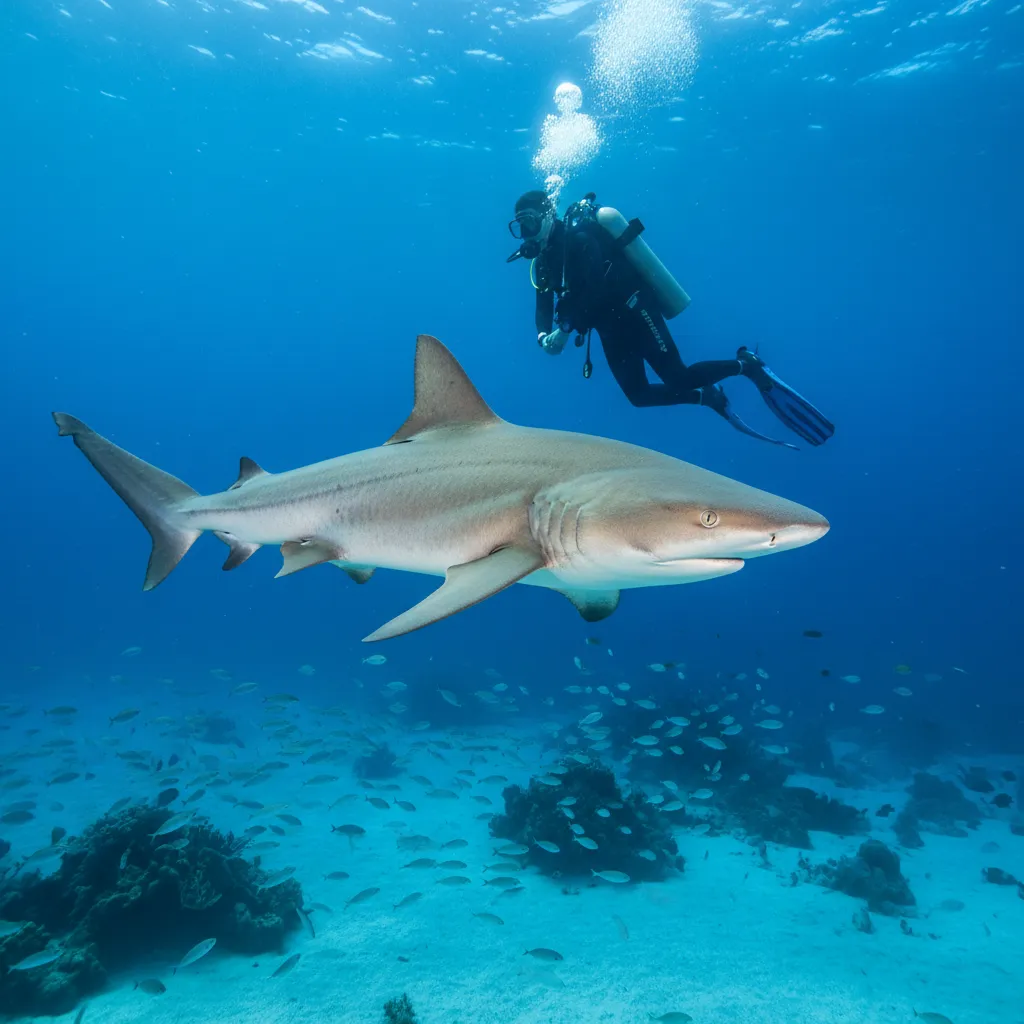
The thresher shark is one of the most visually extraordinary creatures in the ocean. Its scythe-like tail, which can be as long as its entire body, gives it an unmistakable silhouette that looks like something from a prehistoric age. Encountering a pelagic thresher at a cleaning station at dawn - its enormous dark eyes gleaming as cleaner wrasses pick parasites from its gills - is one of diving's truly bucket-list moments. These are shy, deep-water sharks that venture into recreational diving depths only briefly and under specific conditions, making every sighting feel hard-earned and deeply special. At Monad Shoal in the Philippines, the world's only reliable thresher shark dive site, divers wait in reverent silence on a submerged plateau at 25 metres as these ethereal creatures emerge from the abyss, tail streaming behind them like a living blade.
Where to Dive with Thresher Sharks
Found across 9 countries, based on 58 verified observation records.
Costa Rica
1 area

Mexico
1 area

Indonesia
2 areas

Philippines
3 areas
Panama
1 area

South Africa
2 areas
New Caledonia
1 area

Taiwan
1 area
+ 1 more country
Best Time to See Thresher Sharks
Malapascua (Philippines): thresher sharks visit the cleaning stations year-round, making this a 365-day destination. However, sea conditions vary. The best months are March to June, when seas are calmest and visibility peaks at 20 to 30 metres. The wet season (July to December) brings rougher seas and occasionally prevents boats from reaching Monad Shoal, though sharks are still present. December to February can have strong northeast winds. Sighting rates are typically 70 to 80% on any given morning year-round. Occasional thresher sightings are reported at other sites including Cebu's Pescador Island and Kimud Shoal, but Malapascua remains the only reliable location worldwide.
How to Dive with Thresher Sharks
Thresher shark diving is almost synonymous with one location: Monad Shoal, a submerged island off Malapascua in the Philippines. Threshers visit cleaning stations on the shoal's plateau at 18 to 30 metres, arriving at dawn before retreating to deep water. Advanced Open Water certification is required, and experience with early morning deep dives is beneficial. Boats depart Malapascua around 5:00 AM, and divers descend directly to the cleaning station plateau. The protocol is simple but strict: settle on the sandy bottom at the designated waiting area, stay absolutely still, and let the sharks come to you. Any sudden movement or noise will spook them back into the deep. Patience is key - you may wait 10 to 20 minutes before a thresher appears. Encounters typically last one to five minutes as the shark circles the cleaning station. Buoyancy control must be impeccable, as rising above the plateau's edge can block the sharks' approach path.
Is it Safe to Swim with Thresher Sharks?
Thresher sharks are shy and not dangerous to divers. They are far more likely to flee than approach, and the main safety consideration is the diving conditions rather than the shark itself. Monad Shoal involves early morning deep dives with potential current, so watch your air supply and bottom time carefully. Narcosis can be a factor at 30 metres - if you feel off, ascend a few metres. Do not chase a thresher shark if it moves away from the cleaning station; you will only drive it deeper and ruin the encounter for other divers. The long tail is not used defensively against large animals, so there is no risk from it. Maintain a distance of at least 3 metres from the cleaning station to avoid disrupting the cleaning behaviour.
Conservation Status
The pelagic thresher shark is listed as Endangered on the IUCN Red List. All three thresher species face severe pressure from commercial fishing - their long tails are easily snagged in gillnets and longlines, and their fins are traded internationally. They have extremely low reproductive output, with females producing just two pups per litter. Malapascua's thresher shark tourism generates significant revenue for the local community, providing a powerful economic incentive for protection. The establishment of the Monad Shoal Marine Protected Area was driven largely by dive tourism income. Choosing operators that respect the site's code of conduct - limited diver numbers, no flash photography, strict distance rules - directly supports the long-term viability of this globally important shark population.
Species Profile

Recommended Equipment
A 3mm to 5mm wetsuit is advisable as early morning dives at depth can be cool. Bring a reliable dive torch for the pre-dawn boat ride and descent, though torches should be switched off at the cleaning station to avoid disturbing the sharks. Cameras should be set to high ISO and available light - flash photography is prohibited at Monad Shoal as it scares the threshers. A fast wide-angle lens (f/2.8 or wider) is ideal for the low-light conditions. Ensure your equipment is configured for silent operation: no dangling gauges, no rattling clips. A dive computer with a clear display for monitoring depth and NDL in dim conditions is essential.
Browse dive equipmentFrequently Asked Questions
Where can you dive with thresher sharks?
Monad Shoal off Malapascua Island in the Philippines is the only place in the world with reliable thresher shark encounters. Divers descend to cleaning stations at 20–30 metres at dawn, where pelagic threshers come to be cleaned by wrasses. No other dive site offers comparable consistency.
What time do you dive with thresher sharks?
Thresher shark dives at Malapascua start very early. Boats typically depart around 5:00 AM and divers are in the water before sunrise. The sharks visit cleaning stations at first light and retreat to deep water as the morning progresses. By 7:00 AM, most encounters are over.
Why do thresher sharks have such long tails?
Thresher sharks use their extraordinarily long caudal (tail) fin as a hunting weapon. They swim rapidly toward schools of fish and whip their tail overhead at speeds up to 80 km/h, stunning or killing multiple fish with a single strike. This unique hunting strategy is one of the most remarkable in the animal kingdom.
How deep do you need to dive to see thresher sharks?
At Monad Shoal, thresher shark cleaning stations are at 18 to 30 metres depth. Advanced Open Water certification (or equivalent) is required. The sharks approach from deeper water (100m+) and spend only a few minutes at cleaning station depth before descending again.
Can you use flash photography with thresher sharks?
No, flash photography is prohibited at Monad Shoal's cleaning stations. Camera strobes frighten thresher sharks and can prevent them from approaching the cleaning station, ruining the encounter for all divers. Use available light settings with high ISO. Many photographers achieve stunning results with natural light at dawn.
More Encounter Guides
Whale Sharks
Swimming alongside the world's largest fish is an experience that redefines your understanding of th...
Manta Rays
Manta rays are the ocean's most graceful giants. With wingspans reaching over 7 metres, these intell...
Great White Sharks
Coming face to face with a great white shark is the ultimate adrenaline rush for adventure divers. T...
Hammerhead Sharks
Seeing a school of hammerhead sharks is one of scuba diving's most iconic experiences. These prehist...
Sea Turtles
Sea turtles are among the most beloved creatures in the ocean, and for good reason. Watching a green...
Bull Sharks
Bull sharks are diving's most exhilarating close encounter. Known for their stocky build and bold te...